

What is a Styrene Material Pneumatic Conveying Machine? What Are Its Design Principles?
The handling and transportation of styrene material, a crucial component in the production of polymers and resins, often requires efficient and reliable equipment. Pneumatic conveying machines have emerged as a preferred solution for such applications, offering a clean, dust-free, and flexible method to move styrene from one location to another. This article delves into the specifics of styrene material pneumatic conveying machines, exploring their design principles and the technology behind them.
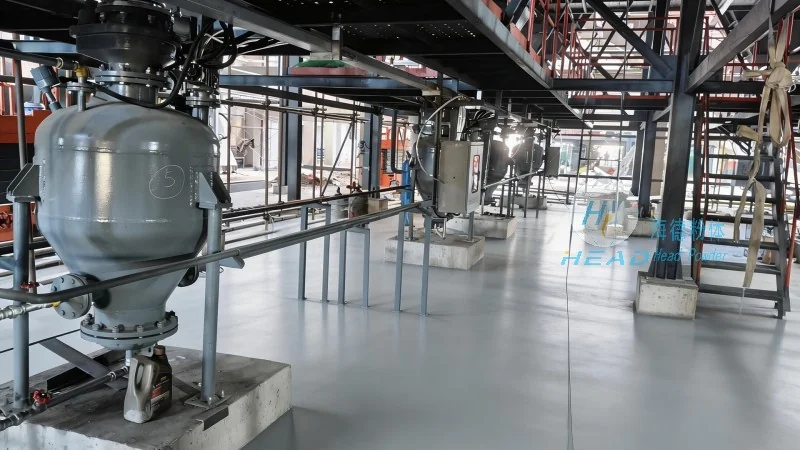
What is a Styrene Material Pneumatic Conveying Machine?
A styrene material pneumatic conveying machine is a specialized system designed to transport styrene, a liquid or solid material, through a pipeline using compressed air or other gas. Unlike traditional mechanical conveyors, which rely on mechanical components like belts or screws, pneumatic systems utilize the force of moving air to move the material. This method is particularly suitable for styrene because it can be in various forms—such as liquid, granules, or powder—and requires a system that can handle both solid and liquid phases without causing contamination or degradation.
Design Principles of the Pneumatic Conveying System
The design of a styrene material pneumatic conveying machine is based on several key principles to ensure efficient and safe operation. The primary principle is maintaining a consistent airflow velocity that is sufficient to lift and transport the styrene particles through the pipeline. The velocity must be high enough to overcome the gravitational force acting on the material but not so high that it causes excessive pressure drops or damage to the material.
Another critical principle is the selection of the right type of pneumatic conveying system, such as positive pressure, negative pressure, or a combination of both. For styrene, which can be a liquid or solid, a positive pressure system is often preferred, as it can handle both phases effectively. The system design also considers the material's properties, including its density, particle size, and flowability, to determine the appropriate air flow rate and pipeline diameter.
Key Components and Their Functions
A styrene material pneumatic conveying machine consists of several key components, each playing a vital role in the overall operation. The main components include:
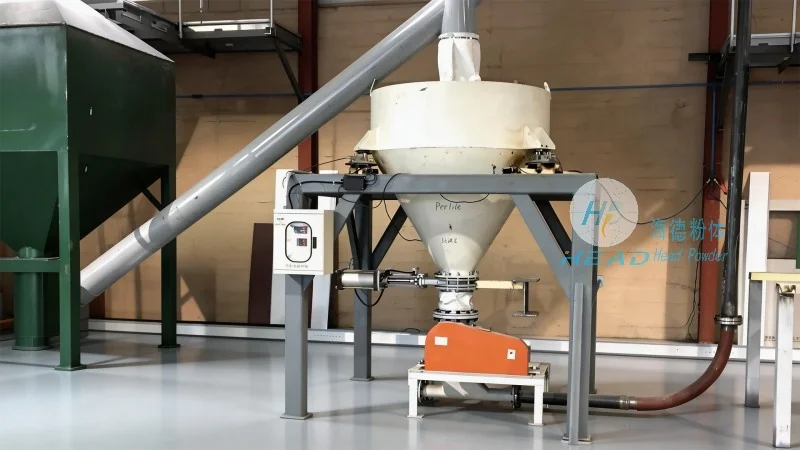
- **Feeder**: This component is responsible for feeding the styrene material into the conveying system. For styrene, which can be in different forms, the feeder may be a rotary valve, a screw feeder, or a liquid pump, depending on the material's state.
- **Conveying Pipeline**: The pipeline is the main channel through which the styrene and air travel. It is typically made of materials like stainless steel or plastic, chosen for their resistance to corrosion and chemical exposure from styrene.
- **Air Source**: Compressed air or gas is used to create the necessary pressure and velocity for conveying. The air source is usually a compressor, which provides the required pressure and flow rate.
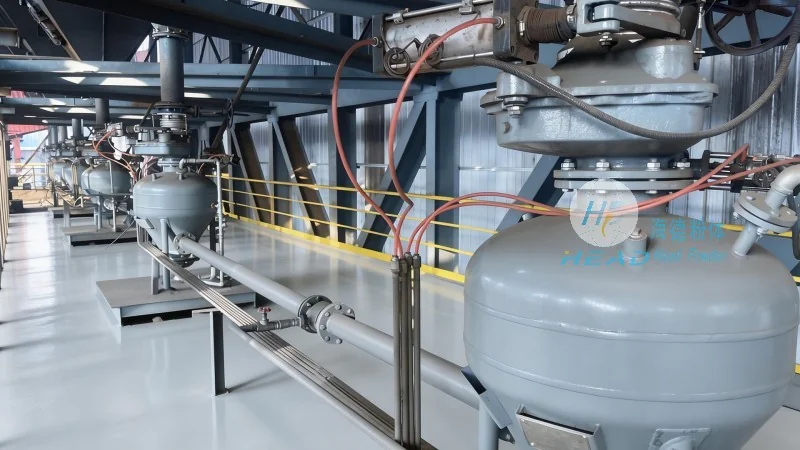
- **Separation and Collection System**: After the styrene reaches its destination, the system needs to separate the material from the air. This is typically done using a cyclone separator or a bag filter, which collects the styrene and returns it to the process while allowing the air to be discharged.
- **Control System**: The control system monitors and regulates the operation of the conveying system, ensuring that the air flow, pressure, and material feed are maintained at optimal levels.
Advantages of Using Pneumatic Conveying for Styrene
There are several advantages to using a pneumatic conveying machine for styrene material transportation. First, it offers a clean and dust-free operation, which is essential for maintaining product quality and safety in the production process. Unlike mechanical conveyors, which can generate dust and cause contamination, pneumatic systems keep the material contained within the pipeline.
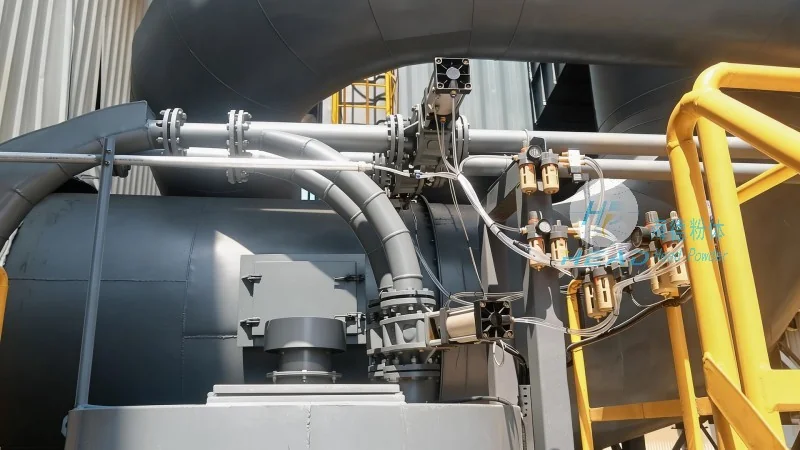
Second, pneumatic conveying provides high efficiency and flexibility. The system can be easily adjusted to handle different volumes and types of styrene, and it can transport the material over long distances without the need for multiple transfer points. This flexibility makes it suitable for various industrial applications, from small-scale laboratory use to large-scale manufacturing plants.
Third, the system is relatively low maintenance compared to mechanical conveyors. Since there are no moving parts in direct contact with the material (except for the feeder), the risk of wear and tear is reduced. This results in lower maintenance costs and longer equipment life.
Company Profile: Shandong HeadPowder Engineering Co., Ltd.
Shandong HeadPowder Engineering Co., Ltd., commonly known as HeadPowder, is a leading manufacturer of pneumatic conveying systems and related equipment. With its headquarters in Shandong, China, the company has extensive experience in designing and manufacturing high-quality styrene material pneumatic conveying machines. HeadPowder specializes in customizing systems to meet the specific needs of its clients, ensuring that the equipment is tailored to the material's properties and the production requirements.
The company's commitment to quality and innovation has made it a trusted partner in the industry, providing reliable and efficient solutions for styrene material transportation. By leveraging advanced technology and a deep understanding of the material's characteristics, HeadPowder delivers systems that enhance productivity and safety in styrene processing facilities.