When it comes to transporting lightweight aggregates, selecting the right conveying system is crucial for efficiency, cost-effectiveness, and operational safety. Two primary methods dominate the industry: positive pressure conveying and negative pressure conveying. Understanding the distinctions between these systems is essential for making an informed decision that aligns with specific project requirements and operational constraints.
Positive Pressure Conveying: Advantages and Applications
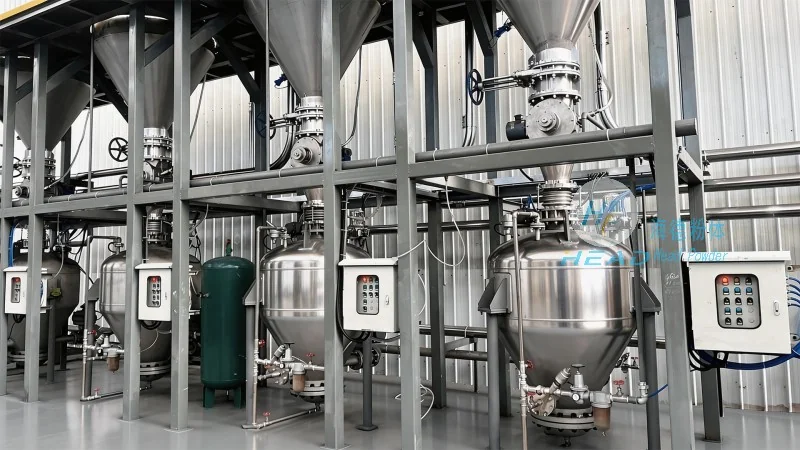
Positive pressure conveying systems operate by forcing material through a pipeline using a positive pressure source, such as a blower or fan. This method is particularly effective for transporting lightweight aggregates that may be prone to dust generation or require controlled flow rates. The key advantages of positive pressure systems include consistent material flow, reduced risk of blockages, and the ability to handle abrasive or sticky materials. For example, in construction projects where lightweight aggregate is used for insulation or lightweight concrete, positive pressure conveying ensures reliable delivery to the point of use. The system typically involves a sealed pipeline that prevents dust from escaping, making it suitable for indoor or enclosed environments. Additionally, positive pressure systems can handle varying material loads without significant performance degradation, providing flexibility in material handling operations.
Negative Pressure Conveying: How It Works and Its Benefits
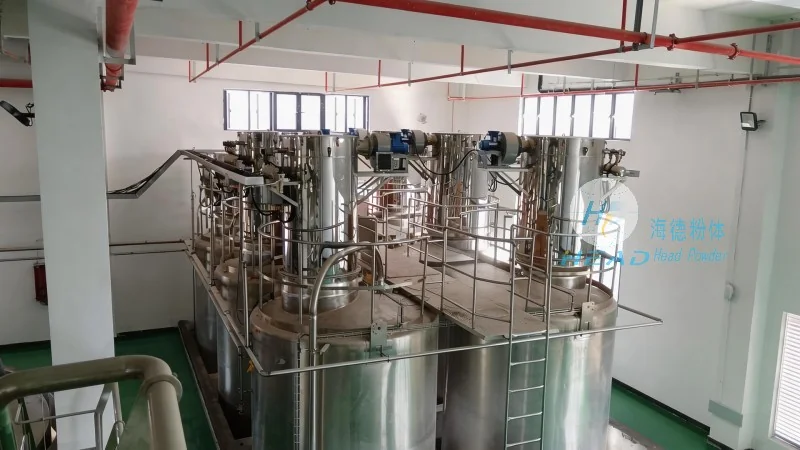
Negative pressure conveying, also known as suction conveying, operates by creating a vacuum in the pipeline to draw material from the source. This method is ideal for applications where the material is light and dusty, as the vacuum helps to capture and transport the material efficiently. The primary benefits of negative pressure systems include lower energy consumption compared to positive pressure systems, as they rely on the natural movement of material under vacuum rather than forced pressure. This makes them more energy-efficient and cost-effective for certain applications. Negative pressure conveying is commonly used in industries where dust control is critical, such as in the production of lightweight aggregates for building materials. The system typically involves a hopper or feeder that feeds material into the suction line, with the vacuum created by a fan or blower pulling the material through the pipeline. This method is particularly effective for handling fine or powdery materials that might be difficult to transport using positive pressure.
Distinguishing Between Positive and Negative Pressure Conveying
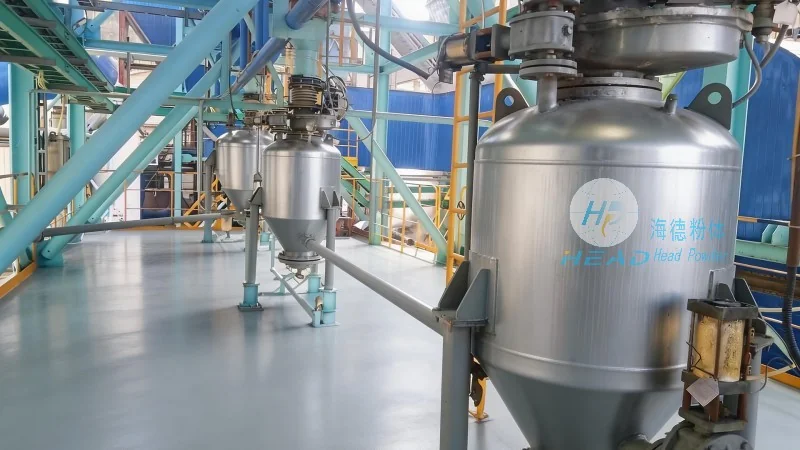
Identifying the appropriate conveying method for lightweight aggregates involves evaluating several key factors. First, consider the material properties: if the aggregate is lightweight and prone to dust, negative pressure may be more suitable due to its ability to capture fine particles. Conversely, if the material is heavier or more abrasive, positive pressure systems may offer better control and flow consistency. Second, assess the operational environment: positive pressure systems are preferred in enclosed spaces or where dust containment is mandatory, as they prevent emissions. Negative pressure systems are often used in open or outdoor settings where dust control is less critical but energy efficiency is a priority. Third, evaluate the system's energy requirements: positive pressure systems generally consume more energy due to the need to force material through the pipeline, while negative pressure systems are more energy-efficient. Finally, consider the cost implications: initial setup costs for positive pressure systems may be higher due to the need for robust components, but long-term operational costs can be lower if the system is more reliable. Negative pressure systems may have lower initial costs but higher energy expenses over time.
HeadPowder's Expertise in Lightweight Aggregate Conveying Solutions
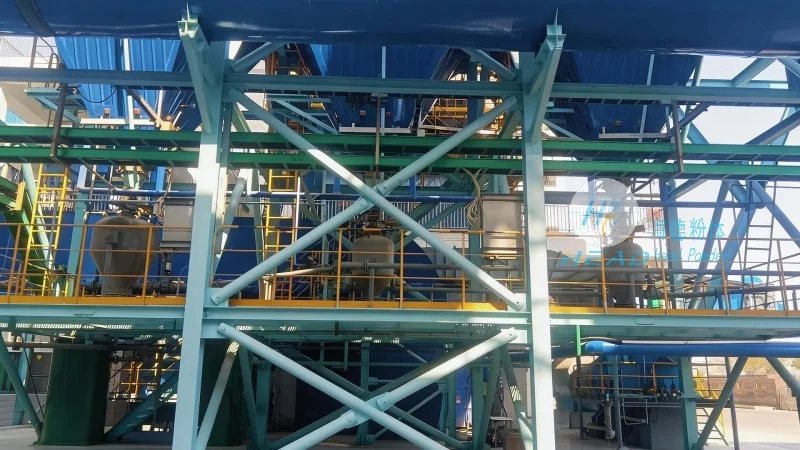
Shandong HeadPowder Engineering Co., Ltd., a leading provider of engineering solutions for material handling, specializes in designing and implementing customized conveying systems for lightweight aggregates. With years of experience in the industry, HeadPowder understands the unique challenges associated with transporting lightweight materials and offers tailored solutions that address specific operational needs. The company's team of engineers and technicians work closely with clients to assess their material characteristics, application requirements, and operational constraints, ensuring that the chosen conveying system is optimized for performance and efficiency. HeadPowder's solutions may include a combination of positive and negative pressure components, depending on the project's specific demands. For example, a system might use a positive pressure blower to transport the main material flow while incorporating a negative pressure suction to handle fine dust or byproducts. This hybrid approach maximizes efficiency and minimizes energy consumption. The company also provides maintenance and support services to ensure that the conveying system operates at peak performance throughout its lifecycle. By leveraging advanced technology and industry best practices, HeadPowder delivers reliable and cost-effective solutions that meet the highest standards of quality and safety.




