What is the Pneumatic Conveying of Tailings Material? And What Are the Design Principles?
Release time:2026-09-16 09:01:18
name of the company:Shandong Headpowder Engineering Co., Ltd.
telephone:156-6277-7102
contacts:Zhang manager
Understanding the pneumatic conveying of tailings material and its design principles is crucial for efficient material handling in mining operations. This article provides an overview of the technology, focusing on the fundamental principles and key design considerations.
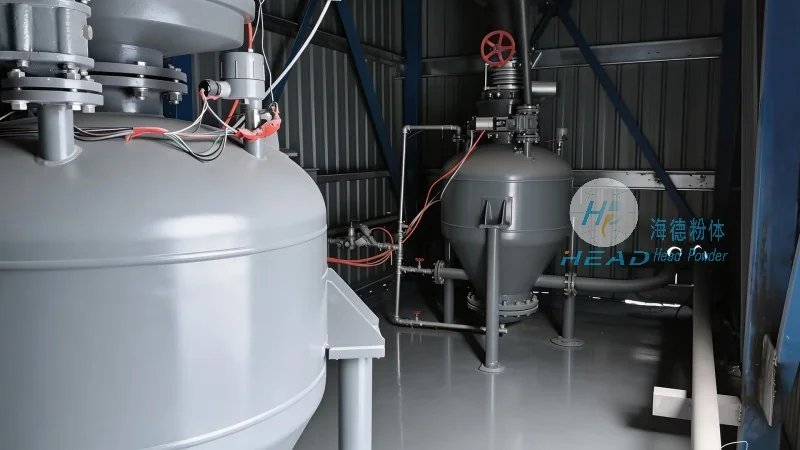
Definition of Tailings Material Pneumatic Conveying
Tailings material pneumatic conveying refers to the process of transporting fine or bulk solid materials, such as tailings from mining operations, through a pipeline using air or gas as the conveying medium. This method is widely used in the mining industry to transport tailings from processing plants to disposal sites or storage facilities. The technology offers advantages like reduced equipment wear, lower energy consumption compared to traditional methods like truck transport, and the ability to handle materials with high moisture content or abrasive properties.
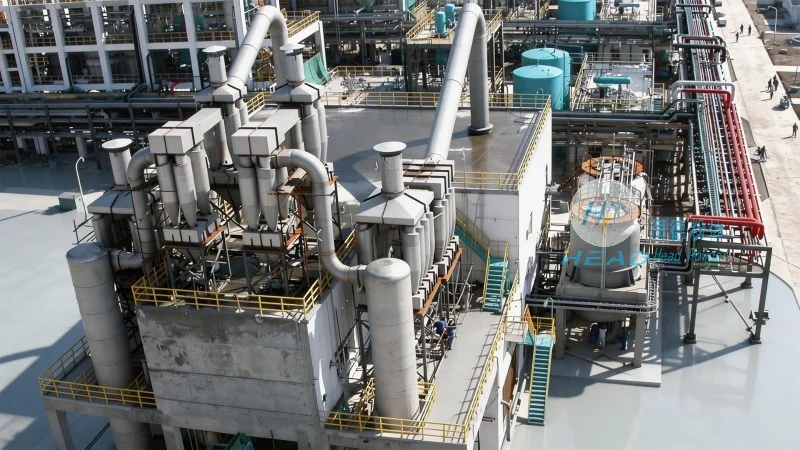
Core Design Principles for Tailings Material Pneumatic Conveying Systems
The design of a tailings material pneumatic conveying system involves several critical principles to ensure efficient and reliable operation. These principles include:
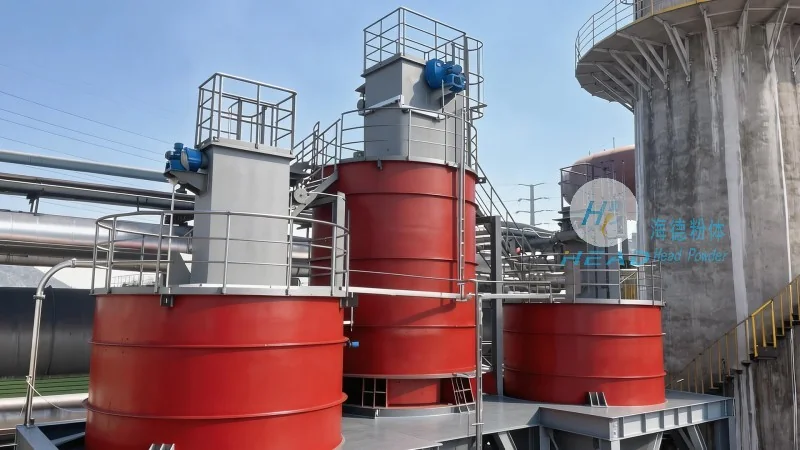
- System Classification: Pneumatic conveying systems are typically classified as dilute-phase or dense-phase based on the material concentration in the conveying stream. Dilute-phase systems operate with low material concentration, while dense-phase systems use higher concentrations, often requiring higher air pressure. The choice between these depends on the material properties, distance to be conveyed, and desired flow rate.
- Airflow Management: Proper airflow management is essential to maintain consistent material transport. This involves calculating the required air velocity to overcome friction losses in the pipeline and to lift the material particles. The air velocity must be sufficient to keep the particles suspended but not so high as to cause excessive energy consumption or wear on the system components.
- Pipeline Sizing and Layout: The diameter and length of the conveying pipeline are critical design factors. The pipeline diameter is determined based on the material's particle size distribution and the desired flow rate. The layout must consider the elevation changes and the overall distance to be covered, with appropriate bends and fittings to minimize pressure losses.
- Material Handling Equipment: Key equipment includes the material feeders, which ensure a consistent flow of tailings into the pipeline, and the air compressors or blowers that generate the necessary air pressure. The selection of these components is based on the material's properties, such as density, moisture content, and abrasiveness, to ensure long-term system reliability.
About Shandong HeadPowder Engineering Co., Ltd.
Shandong HeadPowder Engineering Co., Ltd., a leading provider of engineering solutions for material handling, specializes in the design and implementation of pneumatic conveying systems for tailings material. With offices in Shandong, China, the company leverages advanced technology and extensive industry experience to deliver customized solutions that meet the specific needs of mining operations. Their expertise in tailings material handling ensures efficient and cost-effective transportation, contributing to the overall productivity and sustainability of mining projects.




