HeadPowder, a leading provider of industrial material handling solutions, specializes in advanced pneumatic conveying systems designed for efficient and reliable transport of bulk powders, including sugar. Based in Shandong, China, the company has established itself as a trusted partner in the food processing and chemical industries, delivering tailored solutions that meet the stringent requirements of modern production environments. The company’s expertise in pneumatic technology, combined with a deep understanding of the unique challenges associated with handling sugar powders, enables them to develop systems that optimize performance, maintain product quality, and ensure compliance with industry standards.
The Core Principles of Pneumatic Conveying for Sugar Powders
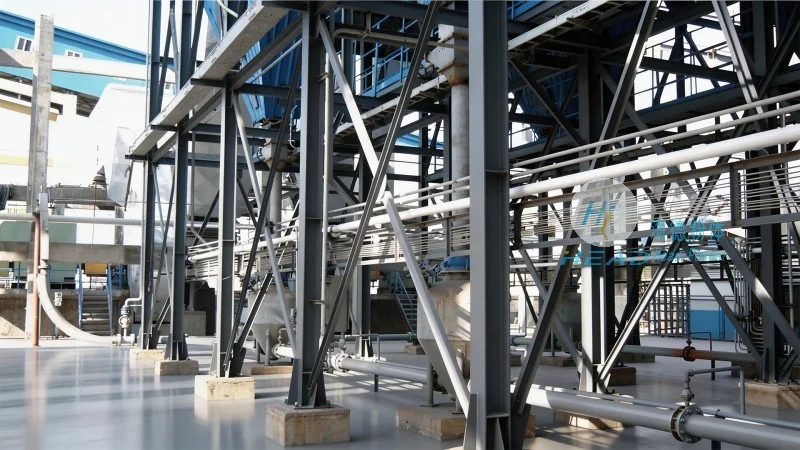
The sugar powder pneumatic conveying system operates on the fundamental principle of using air or gas to transport particulate materials through a closed pipeline network. Unlike traditional mechanical conveying methods, such as screw conveyors or belt conveyors, pneumatic systems utilize pressure differentials to move materials, offering advantages in terms of flexibility, scalability, and reduced risk of contamination. For sugar powders, which are often sensitive to moisture and require hygienic handling, the design of the system is critical to maintain product quality and integrity throughout the conveying process. The system typically consists of a blower or compressor, a hopper for material storage, a pipeline network, and a receiver for the discharged material. The air flow generated by the blower creates a pressure differential that draws or pushes the sugar particles through the pipeline, depending on the system configuration (positive or negative pressure).
Key Operational Characteristics in Practical Applications
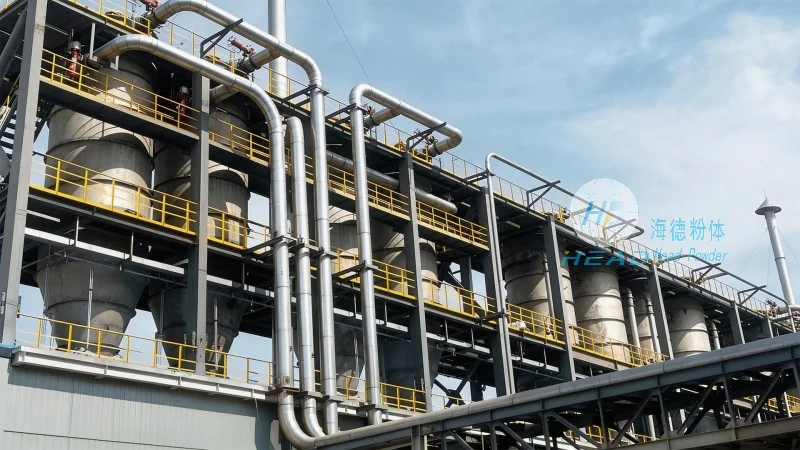
In industrial settings, the performance of a sugar powder pneumatic conveying system is defined by several operational characteristics that adapt to diverse production scenarios. For instance, in large-scale sugar processing plants, the system may be configured as a high-capacity, continuous operation unit capable of handling thousands of tons of sugar per day. The system’s ability to operate under both positive and negative pressure conditions allows for flexible integration into existing production lines, enabling seamless transfer of sugar from storage silos to processing equipment, or from production areas to packaging facilities. Additionally, the system’s design incorporates features such as air filtration and moisture control, ensuring that the sugar remains in optimal condition and free from contaminants that could affect its quality or marketability. The system can also be equipped with sensors and control systems to monitor flow rates, pressure, and temperature, providing real-time data for process optimization and maintenance.
Technical Advantages and Efficiency in Real-World Use
One of the primary advantages of the HeadPowder sugar powder pneumatic conveying system is its high efficiency in material transport. By utilizing compressed air to move sugar particles, the system minimizes downtime and labor costs associated with manual handling or mechanical conveyors. The system’s compact design and modular components also facilitate easy installation and maintenance, reducing the overall operational costs for industrial clients. Furthermore, the system’s ability to handle a wide range of sugar types, from raw cane sugar to refined white sugar, makes it a versatile solution for various stages of the sugar production process. This adaptability ensures that the system can be customized to meet the specific needs of different clients, whether they are small-scale manufacturers or large multinational corporations. The system’s energy efficiency is another key factor, as it uses less power compared to traditional mechanical conveyors, contributing to lower operational expenses and reduced environmental impact.
Case Studies and Real-World Implementation
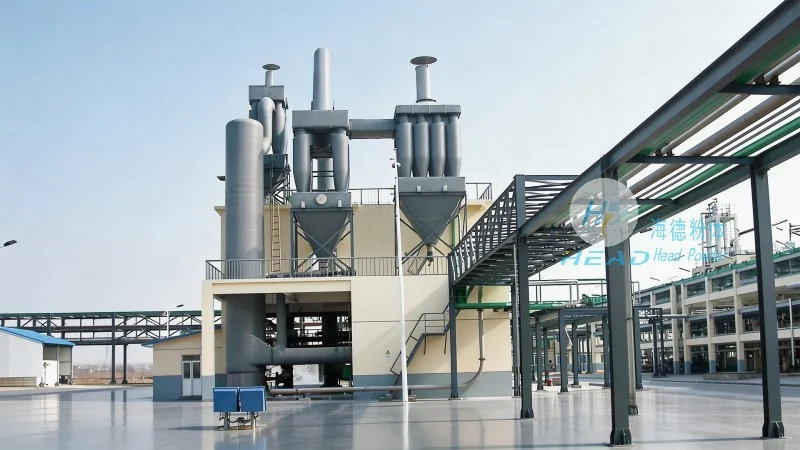
HeadPowder has successfully implemented sugar powder pneumatic conveying systems in numerous industrial applications across China and beyond. For example, a major sugar refinery in Shandong utilized the system to replace outdated mechanical conveyor systems, resulting in a 30% increase in production efficiency and a significant reduction in material loss due to spillage or contamination. The system’s hygienic design, with smooth surfaces and easy-to-clean components, helped the refinery meet stringent food safety regulations, ensuring that the sugar remained free from bacteria or other contaminants. Another client, a food processing company, integrated the system into their production line to ensure continuous and hygienic transfer of sugar from storage to packaging, improving product consistency and reducing the risk of cross-contamination. These case studies highlight the system’s reliability, efficiency, and adaptability in real-world scenarios, demonstrating its ability to enhance operational performance and product quality for industrial clients.




