HeadPowder, a leading engineering company based in Shandong, China, specializes in the design and implementation of advanced pneumatic conveying systems for polytrifluorochloroethylene (PTFE) powders. This article explores the fundamental principles behind these systems and highlights the key characteristics of their operational environments.
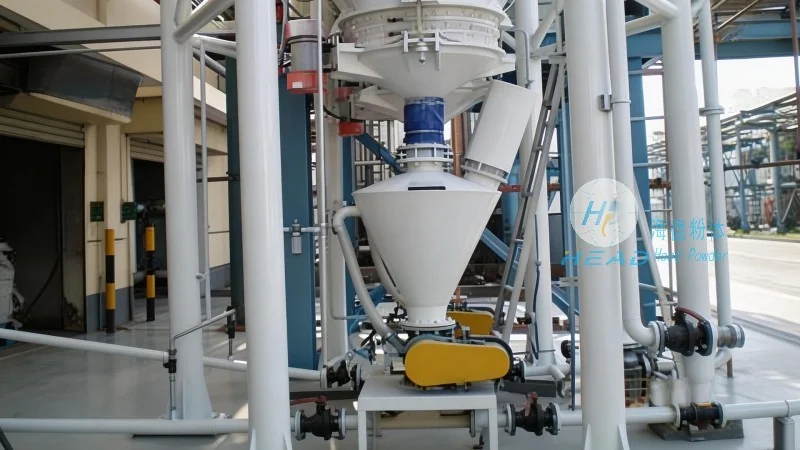
The Core Principle of Pneumatic Conveying for PTFE Powders
The pneumatic conveying system for PTFE powders operates on the principle of transporting solid particles through a pipeline using a pressurized or vacuum air stream. In a typical setup, the PTFE powder is introduced into a hopper or feeder, where it is then drawn into the conveying line by the moving air. The system utilizes either positive pressure (where air is forced through the line) or negative pressure (where air is drawn out of the line) to move the material. The design of the system, including the type of air nozzles, the velocity of the air stream, and the pipeline configuration, is critical to ensure efficient and reliable transport of the PTFE powder, which is known for its high chemical resistance and non-stick properties.
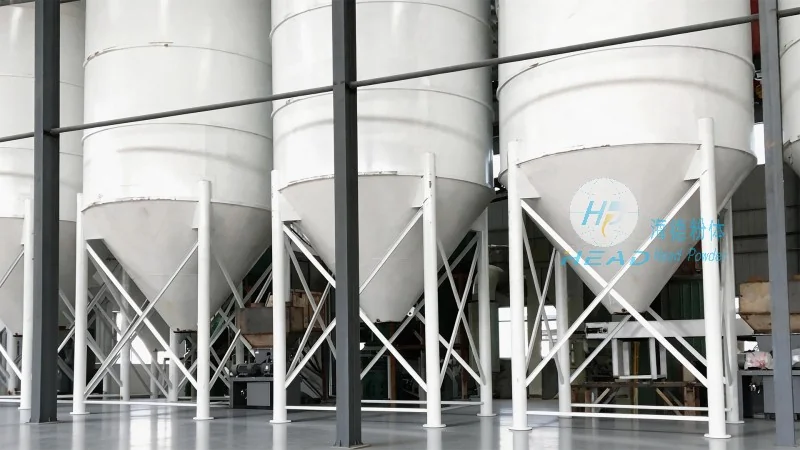
Key Working Scene Characteristics
The operational environments for PTFE powder pneumatic conveying systems exhibit several distinct characteristics that influence system performance and design. First, the material's properties, such as its low bulk density and fine particle size, require specialized equipment to prevent clogging and ensure smooth flow. The systems are often designed with high-precision feeders and air classifiers to maintain consistent particle size distribution, which is crucial for downstream processing applications. Additionally, the systems must be constructed from materials that can withstand the corrosive nature of PTFE and the potential for chemical interactions during transport. The working environment may also involve strict contamination control measures, as PTFE is commonly used in applications where purity is paramount, such as in the semiconductor and pharmaceutical industries.
Application Scenarios and Industry Use Cases
PTFE powder pneumatic conveying systems are widely used in various industrial sectors, each with specific requirements that dictate system design. In the chemical industry, these systems are employed to transport PTFE powders for the production of coatings, lubricants, and other specialty chemicals. The semiconductor industry utilizes PTFE for its non-stick and low-friction properties in manufacturing processes, and the pneumatic conveying system ensures that the powder is delivered to production lines without contamination. The pharmaceutical industry also relies on these systems for the handling of PTFE-based excipients or coatings, where maintaining sterility and purity is essential. Each application scenario demands a tailored approach to system configuration, including the selection of appropriate air velocities, pipeline diameters, and control mechanisms to meet the specific needs of the end-user.
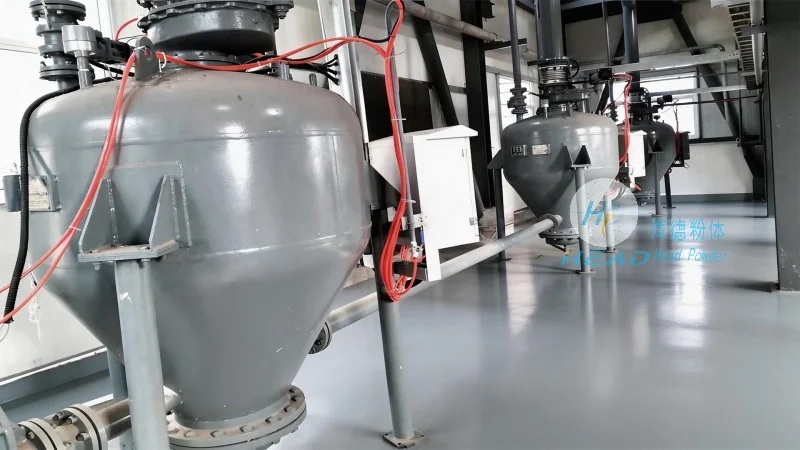
System Design Considerations for Optimal Performance
Designing an effective PTFE powder pneumatic conveying system involves careful consideration of several factors to ensure long-term reliability and efficiency. The choice between positive and negative pressure systems depends on the distance and elevation changes in the transport route. Positive pressure systems are generally preferred for longer distances or when the material needs to be conveyed to higher elevations, as they provide consistent pressure and flow. Negative pressure systems, on the other hand, are suitable for shorter distances and when the material is being collected from a lower point. The system's components, including the hopper, feeder, and air nozzles, must be designed to handle the unique properties of PTFE, such as its tendency to stick to surfaces. Anti-adhesion coatings and special materials are often used to prevent material buildup and ensure smooth operation. Additionally, the system must incorporate safety features, such as pressure relief valves and dust collection systems, to protect personnel and the environment from potential hazards.




