Masterbatch powder pneumatic conveying systems are critical in industrial applications for efficiently transporting colored masterbatch powders. This article explores the fundamental principles behind such systems and highlights the key working scene characteristics that define their effectiveness in various industrial settings.
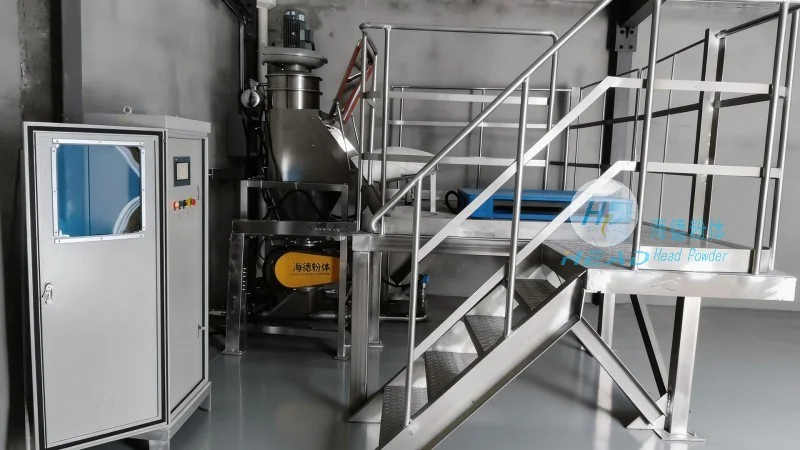
Introduction to Masterbatch Powder Pneumatic Conveying Systems
Masterbatch, a concentrated form of pigment or additive, is widely used in plastic manufacturing to impart color or other properties to polymers. The efficient and reliable transport of masterbatch powders from storage to processing equipment is essential for maintaining product quality and operational efficiency. Pneumatic conveying systems offer a solution by utilizing air pressure to move powders through a pipeline network, eliminating the need for mechanical components like belts or buckets that can cause contamination or wear.
Core Principles of Pneumatic Conveying Technology
The fundamental principle of pneumatic conveying is the use of compressed air or vacuum to create a flow that transports solid particles. There are two primary types of pneumatic conveying systems: positive pressure and negative pressure. Positive pressure systems use a blower to generate air pressure that pushes the powder through the pipeline, while negative pressure systems use a vacuum pump to draw the powder into the system. For masterbatch powders, which often have specific flow characteristics and are sensitive to moisture or contamination, the choice of system type depends on factors such as material properties, distance to be conveyed, and system layout.
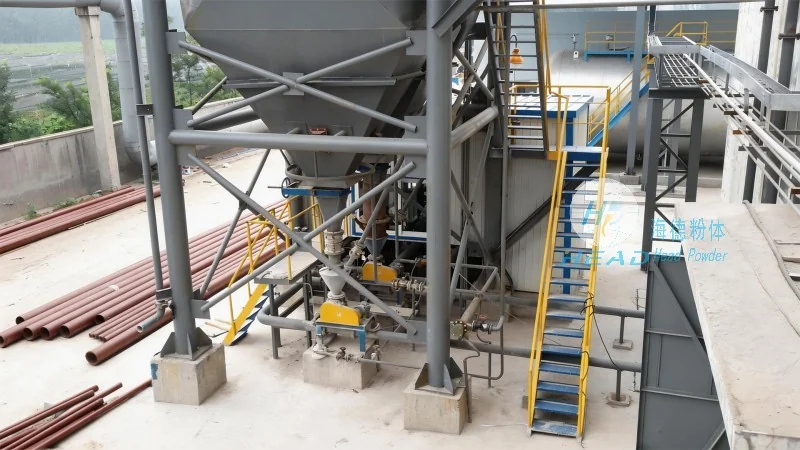
Key components of a typical masterbatch powder pneumatic conveying system include a hopper for material storage, a feeder to control the flow rate, a conveying line with appropriate diameter and length, and a receiver for the discharged material. The system may also incorporate features like air filters to remove dust, pressure regulators to maintain consistent air pressure, and flow meters to monitor the material transfer rate. The design of these components is critical to ensure the system operates efficiently and safely, minimizing the risk of material degradation or system failure.
Working Scene Characteristics and Application Scenarios
The working scene characteristics of masterbatch powder pneumatic conveying systems are tailored to meet the specific demands of different industrial environments. For example, in plastic extrusion plants, the system must handle high volumes of masterbatch powder and integrate seamlessly with existing processing lines. The system's ability to maintain consistent flow rates and minimize downtime is crucial for maintaining production schedules and product quality. In contrast, in smaller-scale applications such as color mixing facilities, the system may be designed for lower throughput but with greater flexibility in material handling.
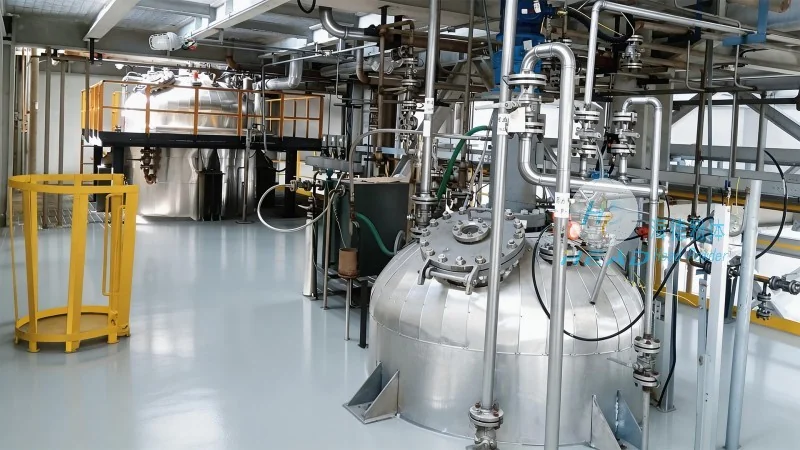
One of the key advantages of pneumatic conveying systems for masterbatch powders is their ability to handle materials with varying particle sizes and densities. This is particularly important for masterbatch powders, which often contain fine particles that can be prone to caking or bridging in traditional storage vessels. The air flow in the conveying system helps to break up agglomerates and maintain a uniform flow, ensuring consistent coloration in the final product. Additionally, the enclosed nature of the system prevents dust emissions, which is essential for maintaining a clean and safe working environment.
Operational Considerations and System Performance
When implementing a masterbatch powder pneumatic conveying system, several operational considerations must be addressed to ensure optimal performance. Material properties, such as moisture content, particle size distribution, and flowability, significantly impact system design and operation. For instance, highly hygroscopic masterbatch powders may require additional drying or moisture control measures to prevent clumping during transport. The system's pressure and flow rate must be carefully calibrated to match the material's characteristics, as excessive pressure can cause material degradation or equipment damage, while insufficient pressure may lead to blockages or reduced throughput.
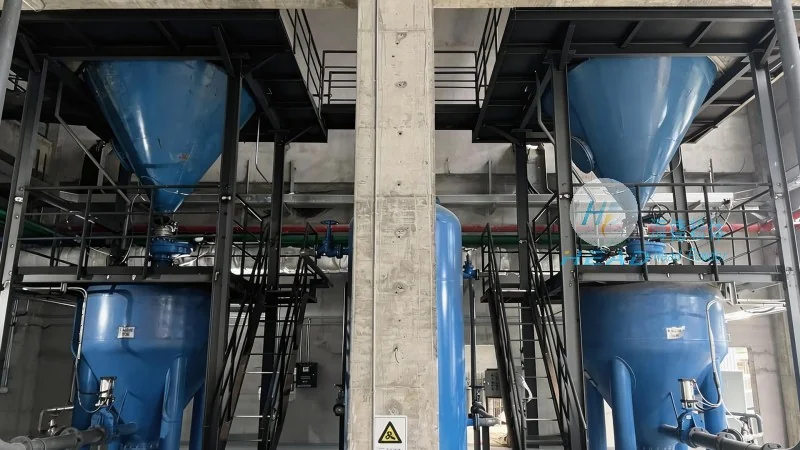
System maintenance is another critical aspect of ensuring long-term performance. Regular inspection of components such as hoppers, feeders, and conveying lines is necessary to detect and address issues like wear, corrosion, or blockages. Air filters must be replaced or cleaned regularly to prevent dust buildup and maintain air quality. Additionally, monitoring system performance parameters, such as pressure differentials and flow rates, can help identify potential problems before they lead to system failure.
Conclusion
Masterbatch powder pneumatic conveying systems represent a sophisticated solution for the efficient and reliable transport of colored masterbatch powders in industrial applications. By understanding the core principles of pneumatic conveying and the specific working scene characteristics of different applications, manufacturers can select and implement systems that optimize performance, maintain product quality, and enhance operational efficiency. The integration of advanced components and careful system design ensures that these systems remain a vital part of modern industrial processes, supporting the production of high-quality plastic products across various industries.




