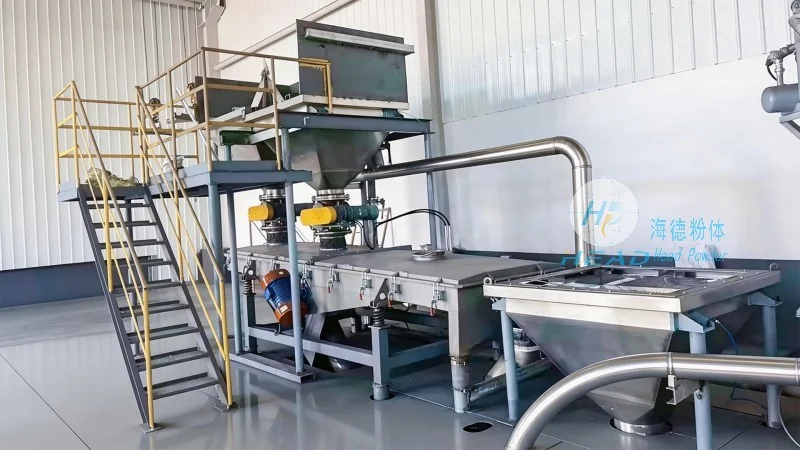
Borax, a widely used industrial chemical, often requires efficient and reliable material handling solutions for its transportation. Pneumatic conveying is a critical technology in this context, offering a method to move borax and other similar bulk materials through a system using air pressure. This article explores the concept of borax material pneumatic conveying and delves into the fundamental design principles that underpin such systems.
Understanding Borax Material Pneumatic Conveying
Pneumatic conveying, in the context of borax handling, refers to the process of transporting borax powder or granules through a pipeline using compressed air or other gas. This method is particularly advantageous for borax due to its fine particle size and the need for dust-free, controlled movement. Unlike traditional mechanical conveyors, pneumatic systems can handle the delicate nature of borax without causing particle degradation or contamination, making them ideal for applications in chemical processing, pharmaceuticals, and food industries.
The Core Design Principles of Borax Pneumatic Conveying Systems
The effectiveness of a borax pneumatic conveying system is determined by several key design principles that ensure optimal performance, efficiency, and safety. These principles include:
1. **System Configuration and Flow Direction**: The design of the conveying system, including the layout of the pipeline, the number of bends, and the direction of flow, directly impacts the system's efficiency. For borax, which is often a fine powder, a positive pressure system is commonly used, where air is forced through the pipeline to push the material. The configuration must minimize pressure drops and prevent material buildup in bends or fittings.
2. **Air-to-Material Ratio (AMR)**: This is a critical parameter that determines the amount of air required to transport a given quantity of borax. The AMR is calculated based on the material's properties, such as its density, particle size, and flowability. An appropriate AMR ensures that the material is fully suspended and moves smoothly through the pipeline without clogging or causing excessive energy consumption.
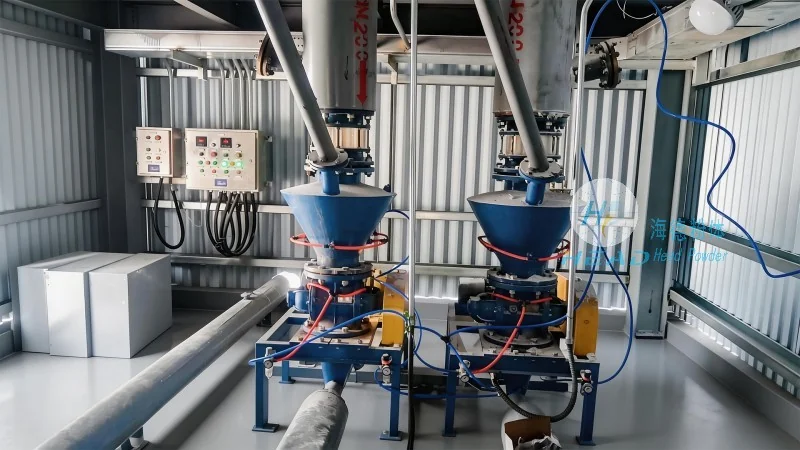
3. **Equipment Selection**: The choice of components, including the air compressor, material feeders, cyclones, and filters, is essential for a successful borax conveying system. The air compressor must provide sufficient pressure and volume to handle the material's characteristics. Material feeders, such as rotary valves or screw feeders, are used to introduce borax into the pipeline at a controlled rate. Cyclones and filters are crucial for separating the material from the air and preventing dust emissions.
4. **Pressure and Velocity Control**: Maintaining the correct pressure and velocity within the pipeline is vital to prevent material degradation and ensure efficient transport. Excessive velocity can cause particle attrition and increase wear on equipment, while insufficient velocity may lead to clogging. Design principles involve calculating the optimal velocity based on the material's properties and pipeline dimensions to achieve a balance between efficiency and equipment longevity.
Key Considerations for Borax Handling in Pneumatic Systems
When designing a pneumatic conveying system for borax, several factors must be considered to ensure the system operates effectively and safely. These include:
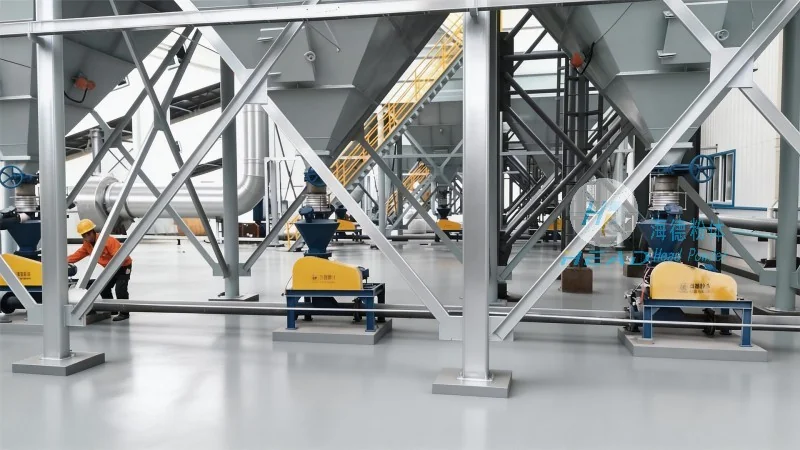
1. **Material Properties**: Borax has specific properties, such as its hygroscopic nature and potential for agglomeration, which can affect the conveying process. The design must account for these properties to prevent issues like caking or moisture absorption that could impact system performance.
2. **Environmental and Safety Standards**: Pneumatic systems for borax must comply with environmental regulations regarding dust emissions and safety standards to protect workers and the environment. Proper filtration and dust collection systems are essential to meet these requirements.
3. **System Maintenance and Durability**: The components of the pneumatic system, especially those in contact with borax, must be made of materials that are resistant to corrosion and wear. Regular maintenance is necessary to ensure the system operates at peak efficiency and to extend its lifespan.
Conclusion
Borax material pneumatic conveying is a sophisticated and efficient method for handling borax, driven by well-defined design principles that optimize performance and safety. By understanding and applying these principles, industries can implement reliable systems that meet their material handling needs while adhering to environmental and operational standards. The expertise of companies like Shandong HeadPowder Engineering Co., Ltd. plays a crucial role in designing and implementing such systems, ensuring that borax is transported effectively and safely in various industrial applications.




