

What is a Soybean Feed Powder Pneumatic Conveying Line? And What Are Its Design Principles?
Welcome to HeadPowder, a leading engineering company based in Shandong, China. In this article, we will explore the concept of a soybean feed powder pneumatic conveying line and delve into its fundamental design principles. This technology is crucial for efficiently transporting soybean feed powders, which are essential components in animal feed production. Understanding the design and functionality of such systems is vital for optimizing feed processing operations and ensuring consistent product quality.
What Is a Soybean Feed Powder Pneumatic Conveying Line?
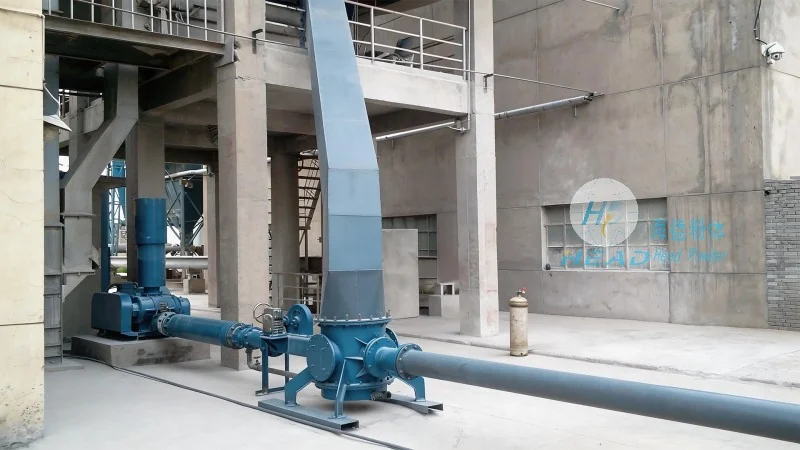
A soybean feed powder pneumatic conveying line is a system designed to transport dry, powdered materials like soybean feed through a pipeline using air or gas as the conveying medium. Unlike traditional mechanical conveyors, which rely on physical components like belts or screws, pneumatic systems use pressure differentials to move materials. This method is particularly effective for handling fine powders, such as soybean feed, which can be prone to caking or segregation if not handled carefully. The system typically consists of a feeding hopper, a conveying pipeline, a control unit, and a discharge point. The feed is introduced into the system, and compressed air or gas is used to create a flow that propels the powder through the pipeline to the desired destination.
Key Design Principles of the Pneumatic Conveying System
The design of a soybean feed powder pneumatic conveying line is based on several critical principles to ensure efficient and reliable operation. First, the system must maintain a consistent air-to-material ratio to prevent blockages or excessive pressure drops. This ratio is determined by the material's density, particle size, and flow characteristics. Second, the pipeline layout is carefully planned to minimize bends and changes in direction, as these can cause turbulence and reduce conveying efficiency. The use of smooth, corrosion-resistant materials for the pipeline is also essential to prevent material buildup and ensure long-term durability. Additionally, the system incorporates pressure sensors and control valves to regulate the air flow and maintain optimal pressure levels. This feedback mechanism allows for real-time adjustments, ensuring the system operates within safe and efficient parameters.
Working Mechanism and Components
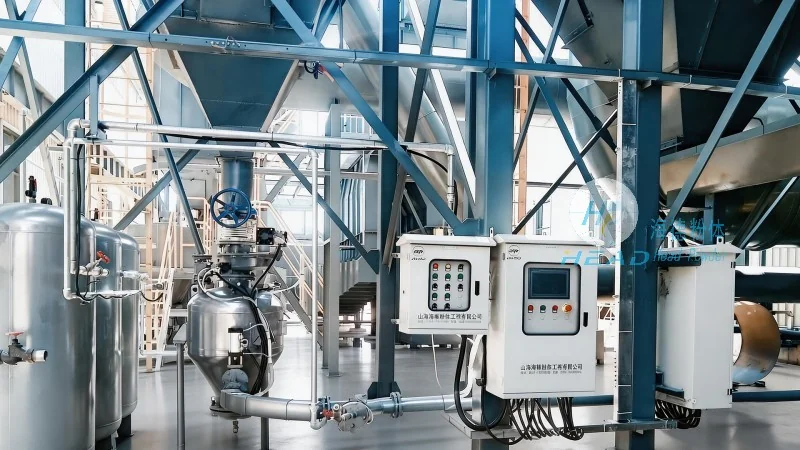
The operation of a soybean feed powder pneumatic conveying line involves several key components working in harmony. The process begins with the feed material being loaded into a hopper equipped with a feeder, such as a rotary valve or a screw feeder. The feeder controls the rate at which the powder is introduced into the system. Next, a compressor or blower generates compressed air, which is fed into the pipeline. The air and powder mixture travels through the pipeline to the discharge point, where a separator or cyclone separates the air from the powder. The separated powder is then collected in a storage bin or directly fed into the next stage of the feed production process. The air, now clean, is either vented to the atmosphere or recirculated through the system, depending on the design. This closed-loop system helps maintain energy efficiency and reduces environmental impact.
Advantages of Using Pneumatic Conveying for Soybean Feed
Implementing a pneumatic conveying line for soybean feed offers several advantages over traditional mechanical methods. First, it provides a hygienic and dust-free environment, which is critical for maintaining the quality and safety of animal feed. The enclosed system prevents contamination from external sources and reduces dust emissions, improving workplace safety and compliance with environmental regulations. Second, pneumatic systems are highly flexible and can be easily integrated into existing feed production lines. They can handle varying feed compositions and particle sizes without requiring significant modifications to the equipment. Third, the system offers high efficiency and low maintenance costs. The absence of moving parts in the pipeline reduces wear and tear, leading to longer service life and lower operational expenses. Additionally, pneumatic conveying allows for precise control over the feed rate, ensuring consistent product quality and meeting the specific requirements of different animal feed formulations.
Applications in Animal Feed Production
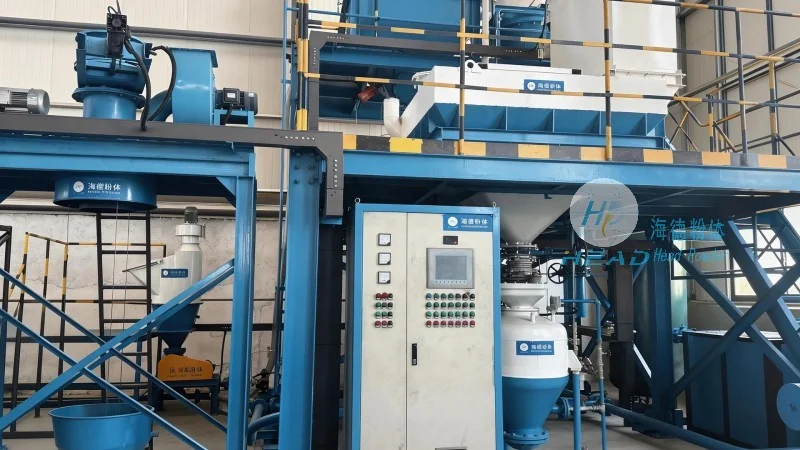
Soybean feed powder pneumatic conveying lines are widely used in the animal feed industry for various applications. They are commonly employed in feed mills to transport soybean meal, soybean oil, and other powdered ingredients from storage silos to mixing and processing equipment. The system can also be used to convey finished feed products from the mixing stage to packaging lines, ensuring a seamless and continuous production flow. In addition, pneumatic conveying is suitable for handling other fine powders, such as vitamins, minerals, and additives, which are often added in small quantities to animal feed. By integrating these components into a single conveying system, feed manufacturers can streamline their operations and improve overall productivity.
Conclusion and Company Overview
In conclusion, a soybean feed powder pneumatic conveying line is a sophisticated and efficient system designed to transport dry, powdered materials in the animal feed industry. The design principles, including maintaining optimal air-to-material ratios, using smooth pipelines, and incorporating feedback control systems, ensure reliable and consistent operation. HeadPowder, with its headquarters in Shandong, China, specializes in providing customized engineering solutions for such systems, tailored to the specific needs of feed manufacturers. By leveraging pneumatic conveying technology, feed producers can enhance operational efficiency, improve product quality, and reduce costs. For businesses looking to optimize their feed processing operations, investing in a well-designed pneumatic conveying line is a strategic decision that can yield significant long-term benefits.