

What is an Activated Carbon Powder Pneumatic Conveying System? What is its Design Principle?
For industrial applications that require the efficient transport of activated carbon powder, understanding the underlying technology and design principles is crucial. Pneumatic conveying systems, particularly those tailored for activated carbon powders, offer a reliable solution for material handling in various sectors. This article explores the fundamental aspects of such systems, including their design principles and practical applications.
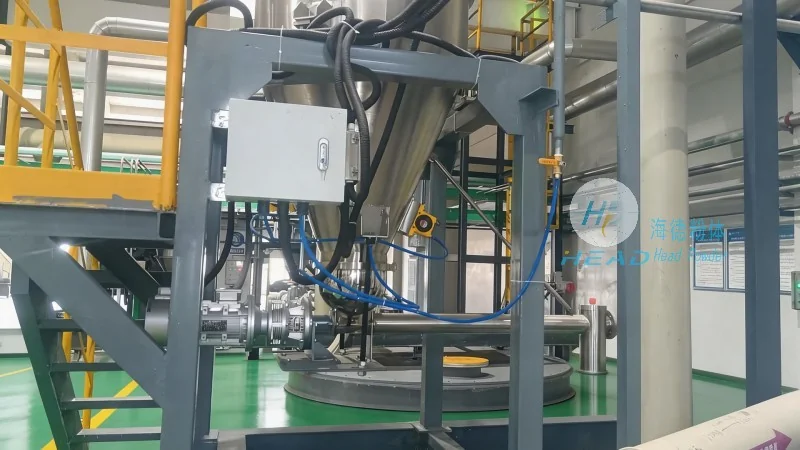
Overview of Pneumatic Conveying Technology
Pneumatic conveying systems utilize air or gas to transport bulk materials like powders, granules, and fine particles through a pipeline network. Unlike mechanical conveyors, which rely on physical contact and moving parts, pneumatic systems operate by creating a pressure differential to move materials. This method is especially advantageous for activated carbon powders due to their fine particle size and potential for dust generation, as it minimizes product degradation and ensures a clean, controlled transport process.
Design Principles for Activated Carbon Powder Systems
The design of an activated carbon powder pneumatic conveying system involves several critical principles to ensure optimal performance and safety. Key considerations include material flow rate, particle size distribution, system pressure, and the choice of air velocity. The system must be engineered to handle the specific properties of activated carbon, such as its low bulk density and tendency to agglomerate. Engineers from Shandong HeadPowder Engineering Co., Ltd. (commonly known as headpowder) apply advanced engineering methodologies to design systems that meet these requirements, ensuring efficient material transport while maintaining product integrity.
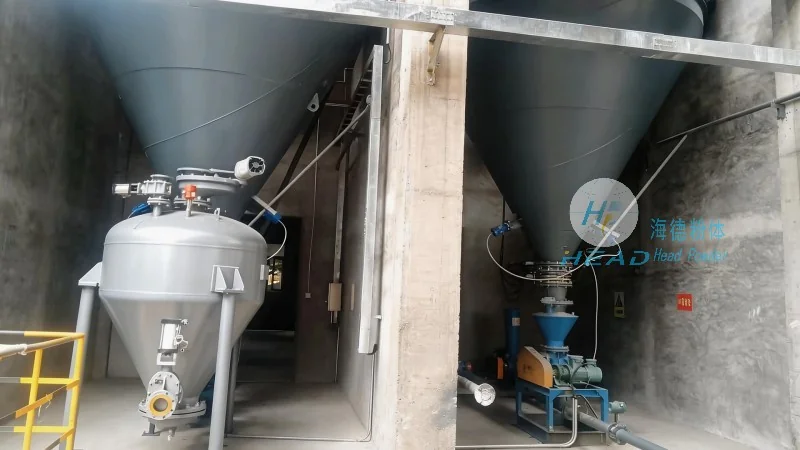
Key Components and Their Functions
Activated carbon powder pneumatic conveying systems typically consist of several core components, each playing a vital role in the overall operation. These include the hopper or feeder, which stores and meters the powder; the air compressor or blower, which generates the necessary pressure; the pipeline network, which transports the material; and the receiver or discharge unit, where the material is collected. The selection of each component is critical, as it directly impacts the system's efficiency, energy consumption, and operational reliability. For instance, the feeder must be designed to prevent material bridging or clogging, which is common in fine powders like activated carbon. The air compressor must provide sufficient pressure to overcome pipeline resistance and maintain consistent flow rates.
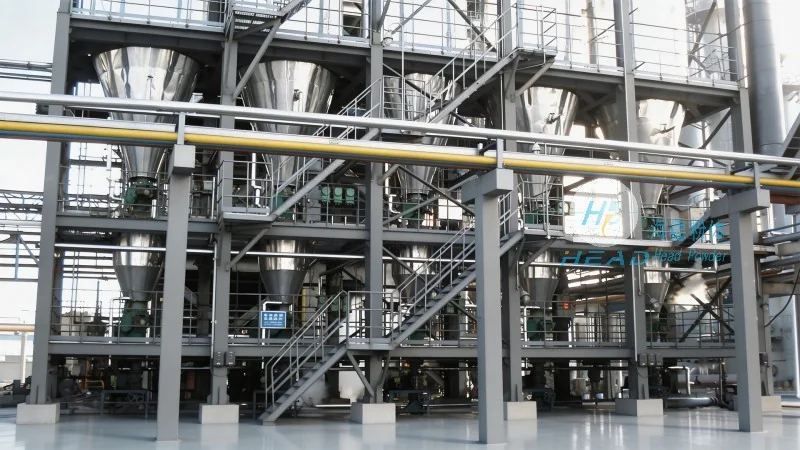
Technical Specifications and Performance Metrics
When evaluating an activated carbon powder pneumatic conveying system, several technical specifications and performance metrics are essential. These include the system's capacity (measured in tons per hour or cubic meters per hour), the maximum and minimum air velocities, the pressure drop across the pipeline, and the energy consumption per unit of material transported. The design must also consider factors like the material's moisture content, as high moisture levels can affect flow characteristics and increase the risk of blockages. Shandong HeadPowder Engineering Co., Ltd. specializes in customizing systems to meet specific technical requirements, ensuring that clients receive solutions tailored to their operational needs and production scales.
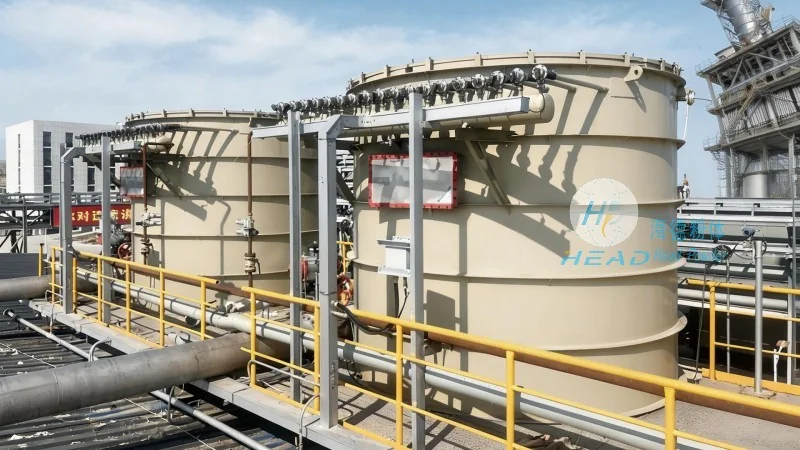
Application Scenarios and Industry Use Cases
Activated carbon powder pneumatic conveying systems are widely used in various industries, including chemical processing, pharmaceuticals, food and beverage, and environmental remediation. In the chemical industry, these systems are used to transport activated carbon for adsorption processes, where the material is used to remove impurities from liquids or gases. In the pharmaceutical sector, the systems ensure the safe and hygienic handling of activated carbon used in drug manufacturing or purification. The food and beverage industry utilizes these systems for processing activated carbon in filtration applications, such as water treatment or beverage clarification. Additionally, in environmental applications, the systems help transport activated carbon for wastewater treatment or air purification, where the material's adsorption properties are critical.
Advantages and Considerations
Compared to traditional mechanical conveyors, activated carbon powder pneumatic conveying systems offer several advantages. These include the ability to handle fine powders without product degradation, reduced risk of contamination, and the flexibility to transport materials over long distances. However, the systems also have considerations, such as higher energy consumption and the need for regular maintenance of air compressors and pipelines. Proper system design and maintenance are essential to mitigate these challenges and ensure long-term operational efficiency. Shandong HeadPowder Engineering Co., Ltd. provides comprehensive support, including system installation, training, and after-sales service, to help clients maximize the benefits of their pneumatic conveying systems.