When it comes to handling battery materials, particularly cathode and anode powders, selecting the right conveying method is crucial for efficiency, safety, and material integrity. Various options exist, each with its own set of advantages and considerations. This article explores the common methods used in the industry and highlights the benefits of pneumatic conveying as a leading solution.
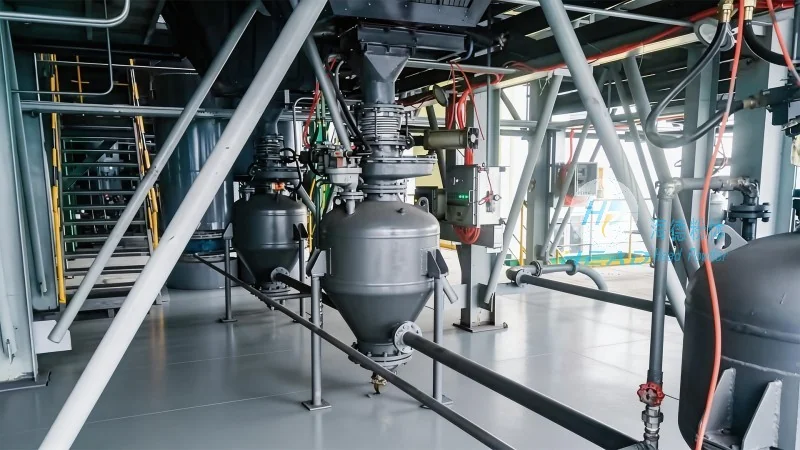
Common Conveying Methods for Battery Materials
Conveying battery materials like cathode active materials (CAM) and anode active materials (AAM) involves moving powders from one location to another within a production facility. The primary methods include mechanical conveying systems such as screw conveyors, belt conveyors, and bucket elevators, as well as pneumatic conveying systems. Each method has its strengths and is suitable for different applications based on factors like material properties, distance, and environmental requirements.
Pneumatic Conveying: An Overview
Pneumatic conveying, also known as air conveying, uses a stream of air to transport bulk materials through a pipeline. This method is widely used in the battery material processing industry due to its ability to handle fine powders without the need for mechanical contact. The system typically consists of a hopper, a blower or compressor, and a pipeline network that directs the material to its destination.
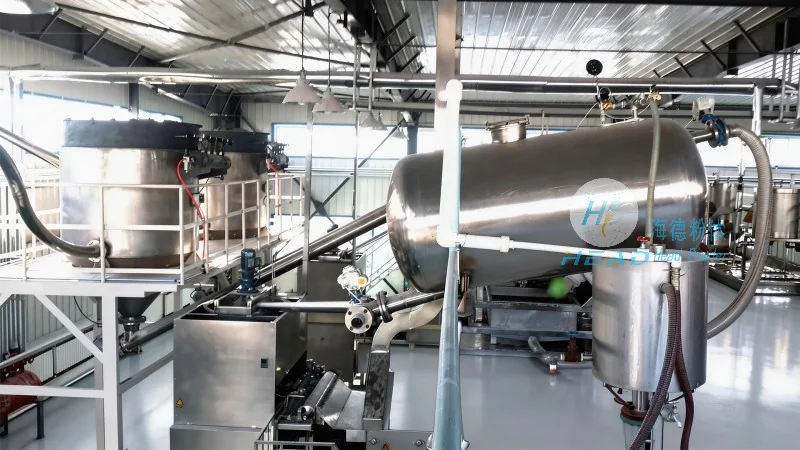
Advantages of Pneumatic Conveying for Battery Materials
For battery cathode and anode materials, pneumatic conveying offers several key advantages that make it a preferred choice for many manufacturers. First, it provides a dust-free and enclosed environment, which is critical for maintaining material purity and preventing contamination. This is especially important for high-purity materials used in lithium-ion batteries, where even minor impurities can affect performance.
Second, pneumatic conveying allows for precise control over material flow rates and pressure, ensuring consistent and reliable transport. This level of control helps in maintaining the quality of the final product and reduces the risk of material degradation during handling.
Third, the system is flexible and can be easily integrated into existing production lines. It can handle materials over long distances and can be adapted to different production stages, from raw material storage to processing and packaging.
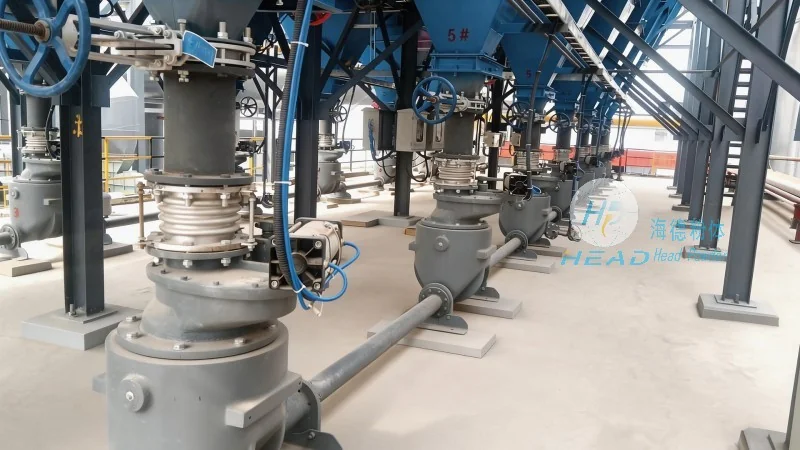
Key Features of Pneumatic Conveying Systems
Modern pneumatic conveying systems for battery materials often incorporate advanced features to enhance performance and efficiency. These may include:
1. Positive Displacement Pneumatic Conveying: This type uses a positive displacement blower to create a consistent air flow, ensuring stable material transport even with varying material loads. It is particularly effective for handling fine powders that are prone to clogging in other systems.
2. Closed Loop Systems: These systems recycle excess air back into the conveying line, reducing energy consumption and minimizing environmental impact. This is an important consideration for companies looking to optimize their operational costs and reduce their carbon footprint.
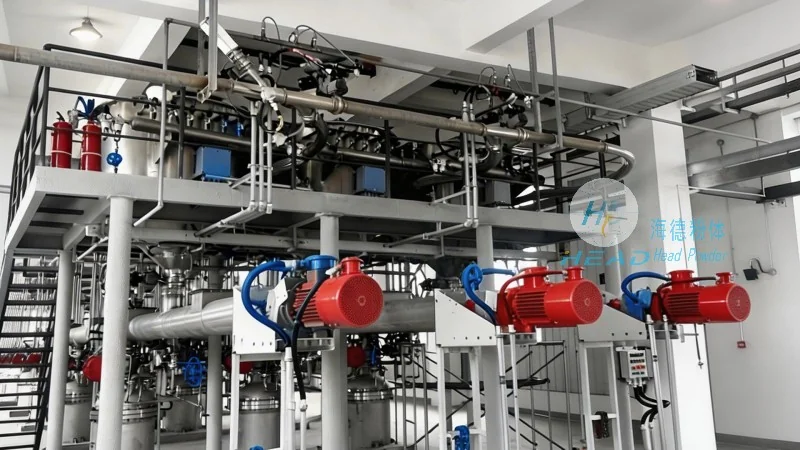
3. Material Separation and Cleaning: Some systems include features for separating materials or cleaning the pipeline, ensuring that the conveying process remains efficient and that the material quality is maintained over time.
Applications in Battery Material Processing
Pneumatic conveying is used in various stages of battery material processing. For example, it can be used to transport raw materials from storage silos to processing equipment, to move finished products from processing lines to packaging areas, and to handle waste materials for recycling. The versatility of the system makes it suitable for different production scales, from small-scale research and development to large-scale commercial manufacturing.




