HeadPowder, a leading provider in the field, offers insights into the technology and engineering behind silica aerodynamic conveying systems. This article delves into the fundamental aspects of how silica particles are transported using air, exploring the core design principles that ensure efficient and reliable material handling. Silica aerodynamic conveying, also known as pneumatic conveying, is a critical process in industries that rely on the movement of fine powders, and understanding its principles is essential for optimizing material transport and minimizing operational costs.
Understanding Silica Aerodynamic Conveying
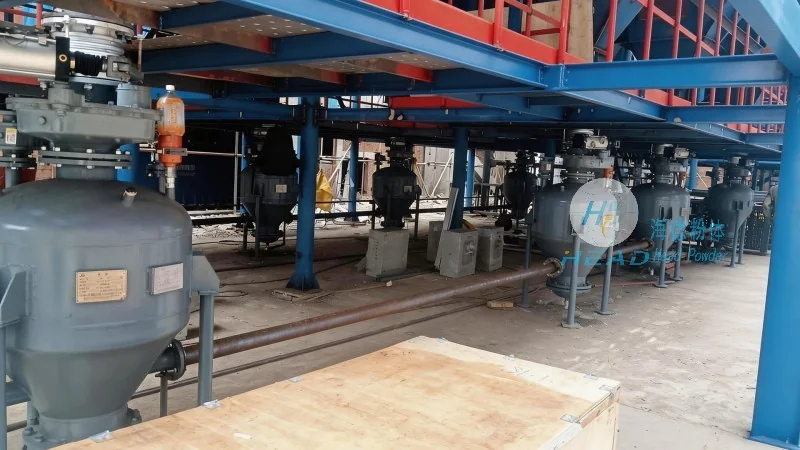
Silica aerodynamic conveying is a method that utilizes air as the primary medium to transport dry silica powders through a pipeline. Unlike traditional mechanical systems, this technology eliminates the need for moving parts like belts or buckets, reducing maintenance requirements and the risk of material contamination. The process operates by creating a pressure differential or using suction to move the silica particles through the system. Positive pressure systems, where air is forced through the pipeline, are commonly used for silica transport as they provide better control over the material flow and minimize dust emissions. Negative pressure systems, on the other hand, are more suitable for applications where the material is to be drawn from a hopper or silo, but they may require additional measures to prevent air leakage and maintain system integrity.
Key Design Principles of Silica Aerodynamic Conveying Systems
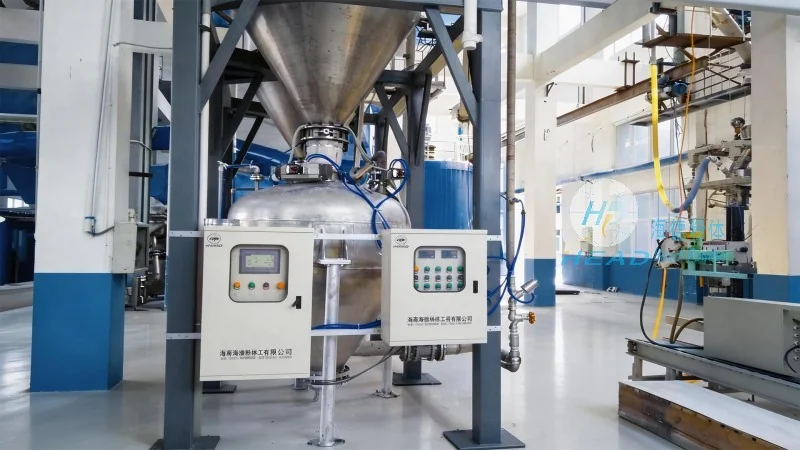
The successful design of silica aerodynamic conveying systems hinges on several key principles that ensure stable and efficient material transport. These principles are tailored to the unique characteristics of silica particles, which are often fine, abrasive, and sensitive to moisture. Engineers must consider the following factors when designing such systems:
- Pressure Differentiation and System Type: The choice between positive and negative pressure systems is a critical design decision. Positive pressure systems, where air is pumped into the pipeline, are preferred for silica due to their ability to maintain a consistent flow rate and reduce the risk of dust dispersion. These systems typically operate at pressures ranging from 0.5 to 2 bar, depending on the pipeline length and material properties. Negative pressure systems, which use suction to draw material through the pipeline, are more suitable for applications where the material is to be collected from a distant source but may require additional energy input to overcome the pressure drop.
- Particle Size and Air-to-Solid Ratio: The size of silica particles directly impacts the air velocity required for stable conveying. Smaller particles (typically less than 100 microns) require higher air velocities to remain suspended in the air stream, while larger particles (over 200 microns) may settle more quickly and require lower velocities to prevent blockages. The air-to-solid ratio, which is the ratio of air volume to solid volume, is a key parameter that determines the conveying efficiency. Optimal ratios for silica vary depending on the system type and particle size, with typical values ranging from 5:1 to 15:1 for positive pressure systems.
- Pipeline Sizing and Layout: The diameter and length of the conveying pipeline are crucial for maintaining the required air velocity and minimizing pressure drop. Larger diameter pipelines reduce the air velocity and pressure drop, making them suitable for longer conveying distances, while smaller diameters are used for shorter distances or when higher velocities are needed. The layout of the system, including the number and angle of bends, vertical drops, and horizontal runs, must be carefully planned to avoid particle agglomeration and ensure smooth flow. Sharp bends and vertical drops can cause particle separation and increase the risk of blockages, so engineers often incorporate smooth transitions and cyclones to mitigate these issues.
- Equipment Selection and Integration: The components of a silica aerodynamic conveying system, including feeders, cyclones, receivers, and filters, must be selected and integrated to ensure seamless operation. Feeders, such as rotary valves or screw feeders, control the rate of silica introduction into the pipeline, preventing overloading and maintaining a consistent flow rate. Cyclones, which are used to separate the silica particles from the air stream, are typically designed with a high efficiency for fine powders, ensuring that the majority of the material is recovered and recycled. Receivers, or hoppers, are used to collect the conveyed silica, and they must be equipped with proper sealing and discharge mechanisms to prevent dust leakage. Filters, such as bag filters or cartridge filters, are installed to capture any residual silica particles and maintain air quality.
Applications and Benefits of Silica Aerodynamic Conveying
Silica aerodynamic conveying systems are widely used in various industries, including chemical, pharmaceutical, food, and mining, where the transport of fine powders is essential. The technology offers several advantages over traditional mechanical systems, including:
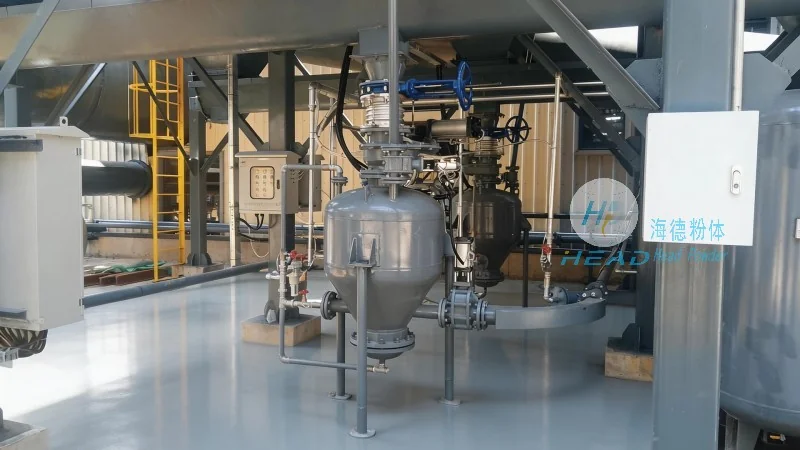
- Reduced Maintenance: Since there are no moving parts in the pipeline, the system requires minimal maintenance, reducing downtime and operational costs.
- Minimized Contamination: The enclosed pipeline design prevents exposure to external contaminants, ensuring that the silica remains clean and free from moisture or dust.
- Energy Efficiency: Modern aerodynamic conveying systems are designed to be energy-efficient, with optimized air-to-solid ratios and pipeline layouts that minimize energy consumption.
- Flexibility and Scalability: The system can be easily scaled to accommodate varying material volumes and can be integrated with other processing equipment, providing flexibility in industrial operations.
About HeadPowder Engineering
HeadPowder, or Shandong HeadPowder Engineering Co., Ltd., is a reputable company based in Shandong, China, specializing in the design, manufacturing, and installation of advanced material handling systems. With a focus on silica and other fine powders, the company leverages its expertise in aerodynamic conveying technology to deliver customized solutions tailored to the unique needs of industrial clients. HeadPowder's commitment to quality and innovation ensures that their systems meet the highest standards of efficiency, reliability, and safety in material transport. The company's team of experienced engineers and technicians work closely with clients to understand their specific requirements and provide tailored solutions that enhance operational performance and reduce costs. HeadPowder's products and services are backed by rigorous testing and quality control processes, ensuring that each system is built to withstand the demands of industrial environments and deliver long-term performance.




