Masterbatch pneumatic conveying is a specialized method used in the plastic and polymer industries to transport masterbatch, which are concentrated pigments or additives used to color or modify plastic materials. This technology involves using air or gas as the conveying medium to move masterbatch from a storage hopper or silo to processing equipment such as extruders or mixers. The process is critical for maintaining product quality, ensuring consistent color distribution, and improving operational efficiency in manufacturing settings.
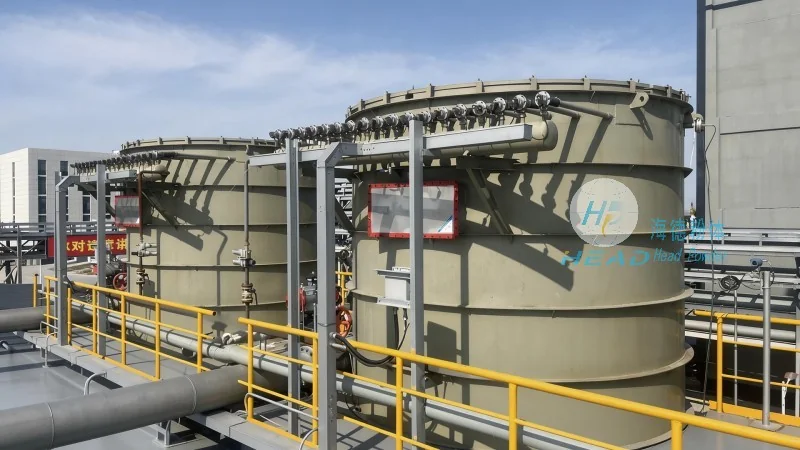
Understanding Masterbatch Pneumatic Conveying
Masterbatch is a key component in the production of colored plastics, providing a cost-effective way to add pigments or functional additives to polymer resins. Unlike traditional bulk material handling methods like belt conveyors or screw conveyors, pneumatic conveying offers advantages such as reduced contamination risk, lower maintenance requirements, and the ability to handle fine powders without clogging. This makes it particularly suitable for masterbatch, which often consists of very fine particles that require gentle handling to avoid degradation or agglomeration.
The Core Design Principles of Pneumatic Conveying Systems
The design of a masterbatch pneumatic conveying system is based on several fundamental principles to ensure efficient and reliable operation. These principles include the selection of the appropriate conveying air velocity, the configuration of the system components, and the control of pressure and flow rates. The system typically consists of a hopper or storage bin, a conveying line (often with a venturi or pressure vessel), and a receiver or processing unit. The key design considerations are aimed at achieving a balance between conveying efficiency and energy consumption, minimizing material degradation, and ensuring consistent product quality.
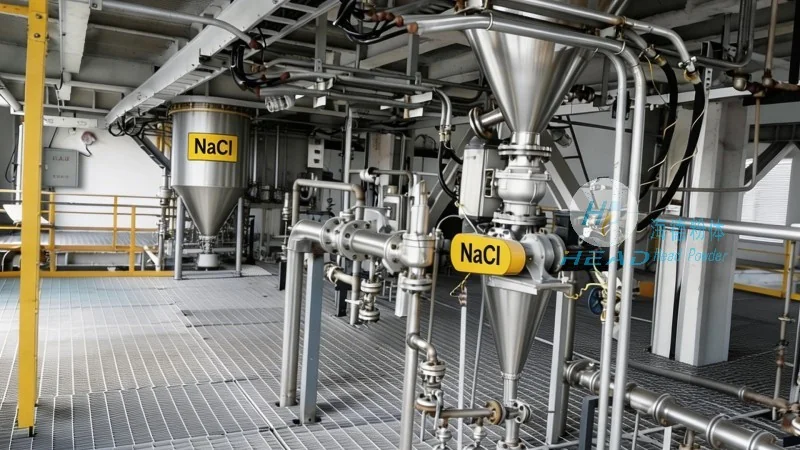
Key Components and Their Functions
Several critical components make up a masterbatch pneumatic conveying system. The storage hopper or silo is where the masterbatch is stored, equipped with a discharge valve to control the flow of material into the conveying line. The conveying line itself is usually made of metal or plastic, with a diameter and length optimized for the specific material being transported. A venturi or pressure vessel is often used to create the necessary pressure differential, drawing air and material through the system. The receiver or processing unit is where the masterbatch is deposited, typically equipped with a filter to remove any entrained air or fine particles. Each component plays a vital role in ensuring the smooth and efficient operation of the entire system.
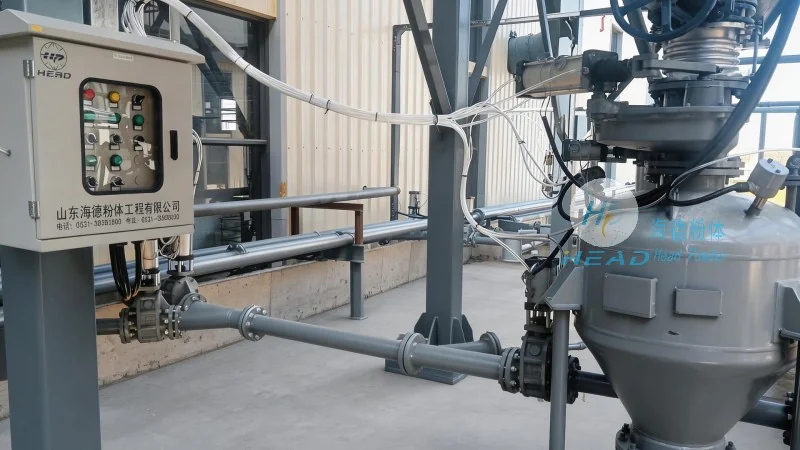
Advantages of Masterbatch Pneumatic Conveying
Masterbatch pneumatic conveying offers several advantages over other material handling methods. One of the primary benefits is the ability to handle fine powders without the risk of clogging or blockages, which can occur with mechanical conveyors. This is particularly important for masterbatch, which often has a very fine particle size that can easily agglomerate. Additionally, pneumatic conveying systems can be designed to operate in a closed loop, reducing dust emissions and improving workplace safety. The system also allows for easy integration with other processing equipment, such as extruders or mixers, enabling seamless production workflows. Finally, the energy efficiency of modern pneumatic conveying systems has improved significantly, making them a cost-effective solution for masterbatch handling.
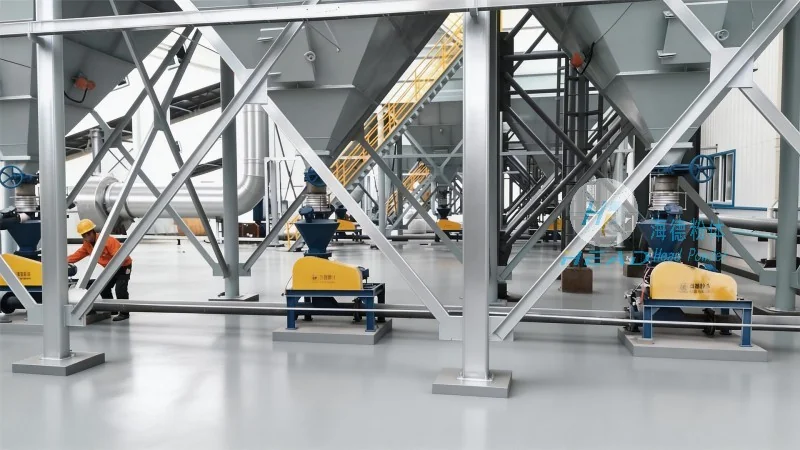
Applications in the Plastic Industry
Masterbatch pneumatic conveying is widely used in the plastic manufacturing industry for various applications. It is commonly employed in the production of colored plastics, where masterbatch is used to add pigments to polymer resins. The technology is also used in the manufacturing of functional masterbatches, which contain additives such as antioxidants, UV stabilizers, or flame retardants. These masterbatches are then blended with the base polymer to produce final products with specific properties. The ability to handle masterbatch in a clean and efficient manner is crucial for maintaining the quality of the final plastic products, ensuring consistent color and performance.
Conclusion
Masterbatch pneumatic conveying is a vital technology in the plastic and polymer industry, providing an efficient and reliable method for transporting masterbatch materials. The design principles and components of these systems are carefully engineered to ensure optimal performance, minimize material degradation, and maintain product quality. As a leading provider in this field, Shandong HeadPowder Engineering Co., Ltd. specializes in the design and manufacturing of advanced pneumatic conveying systems tailored to the specific needs of masterbatch handling. With a focus on quality and innovation, the company delivers solutions that enhance operational efficiency and product consistency for its clients.




