Cornstarch, a widely used food ingredient and industrial raw material, often requires efficient and hygienic handling methods to maintain quality and safety. One of the most effective techniques for transporting cornstarch is through pneumatic conveying systems. This article explores the fundamental aspects of cornstarch pneumatic conveying, including its operational principles and key design considerations that ensure optimal performance in industrial applications.
Introduction to Cornstarch Pneumatic Conveying
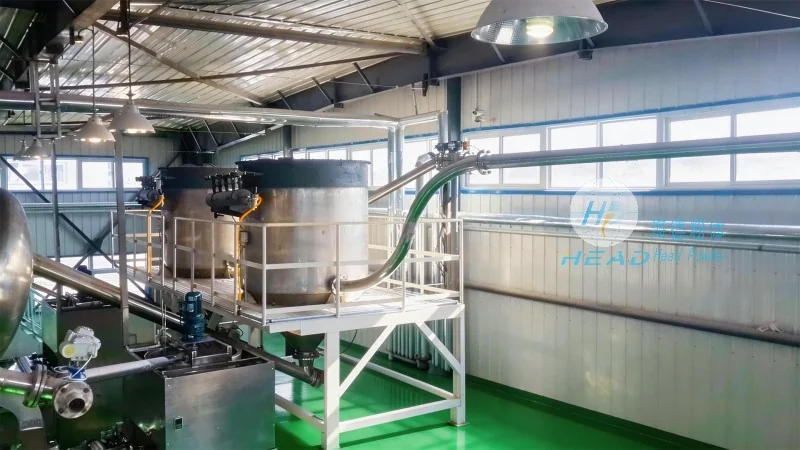
Pneumatic conveying, also known as air conveying, is a method of transporting bulk materials like cornstarch using a stream of pressurized or vacuum air. Unlike traditional mechanical conveyors that rely on physical contact and friction, pneumatic systems utilize air to move materials through pipes or ducts. This approach is particularly advantageous for handling fine powders such as cornstarch, as it minimizes product degradation, contamination, and dust dispersion. The technology has become a cornerstone in industries where maintaining product integrity is critical, including food processing, pharmaceuticals, and chemical manufacturing.
The Core Function of Cornstarch Pneumatic Conveying Systems
The primary function of a cornstarch pneumatic conveying system is to transport the powder from a source, such as a storage silo or a processing unit, to a destination, like a packaging line or a blending station. The system typically consists of a material feed hopper, a conveying line, and a discharge point. The process begins with the cornstarch being fed into the hopper, where it is then drawn into the conveying line by the air flow. The air, often under pressure or in a vacuum, carries the powder through the system, ensuring a continuous and controlled movement. This method not only enhances operational efficiency but also reduces labor costs and improves safety by eliminating manual handling of powders.
Key Design Principles for Efficient Cornstarch Handling
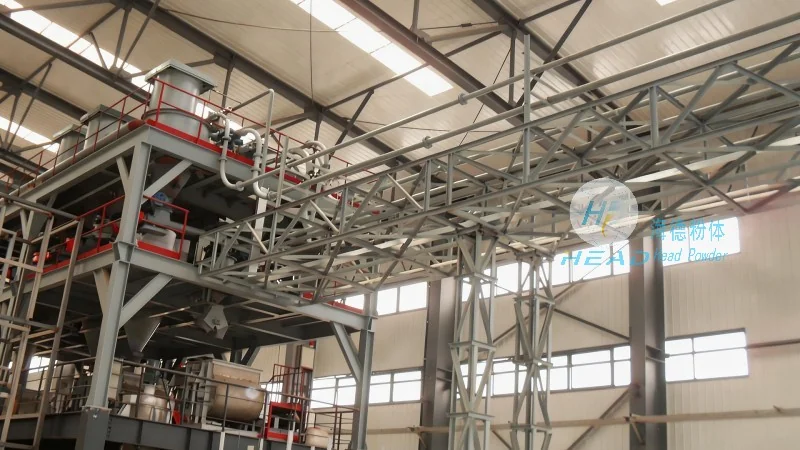
Designing an effective cornstarch pneumatic conveying system involves several critical principles that must be carefully considered to achieve optimal performance. First, the system must be designed to handle the specific properties of cornstarch, including its particle size, moisture content, and flow characteristics. Cornstarch particles are typically fine and can be prone to caking or agglomeration, which can lead to blockages in the conveying line. Therefore, the system must incorporate features such as air knives, cyclones, and rotary valves to prevent these issues and maintain smooth flow. Second, the pressure and velocity of the air must be optimized to ensure that the cornstarch is conveyed without excessive wear on the equipment or degradation of the product. High velocities can cause particle breakage, while low velocities may lead to settling and blockages. Third, the system must be constructed from materials that are compatible with cornstarch and resistant to corrosion or contamination. Common materials include stainless steel, which is non-reactive and easy to clean, ensuring compliance with food safety regulations.
Technical Aspects and Components of the System
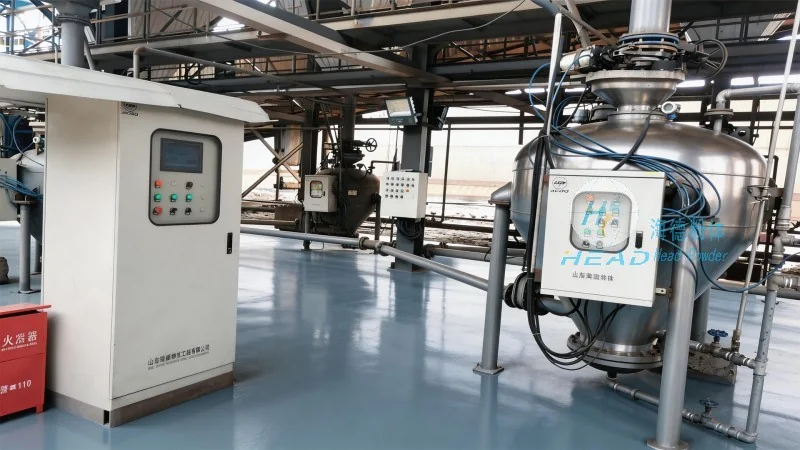
A cornstarch pneumatic conveying system comprises several key components that work in tandem to achieve efficient material transport. The primary components include a material feed hopper, a blower or vacuum pump, conveying pipes, a separation unit (such as a cyclone or filter), and a discharge valve. The feed hopper is designed to hold the cornstarch and provide a consistent flow into the system. The blower or vacuum pump generates the necessary air pressure or vacuum to move the powder through the pipes. The conveying pipes are typically made of stainless steel or plastic and are designed to withstand the pressure and temperature of the system. The separation unit is crucial for removing any air from the powder stream and collecting the cornstarch at the discharge point. This unit often includes a filter to prevent dust from escaping into the environment. Finally, the discharge valve controls the release of the cornstarch from the system, ensuring a controlled and uniform flow to the next processing stage.
Practical Applications and Benefits in Industrial Settings
Cornstarch pneumatic conveying systems are widely used in various industrial applications due to their versatility and efficiency. In the food industry, these systems are commonly employed in the processing of cornstarch for use in food products, such as starch-based beverages, snacks, and baked goods. The hygienic design of the system ensures that the cornstarch remains free from contamination, which is essential for meeting food safety standards. In the pharmaceutical industry, pneumatic conveying is used to transport cornstarch as an excipient in drug formulations, where precision and purity are paramount. The system's ability to handle fine powders without degradation makes it ideal for these applications. Additionally, in the chemical industry, cornstarch is used as a raw material in the production of adhesives, coatings, and other chemical products. The pneumatic conveying system provides a reliable method for transporting the material to the production line, reducing downtime and improving overall productivity.
About Shandong HeadPowder Engineering Co., Ltd.
Shandong HeadPowder Engineering Co., Ltd., a leading manufacturer of pneumatic conveying systems, specializes in providing customized solutions for handling cornstarch and other fine powders. With years of experience in the industry, the company has developed advanced technologies and expertise to design and manufacture systems that meet the specific needs of its clients. HeadPowder's systems are known for their efficiency, reliability, and compliance with industry standards. The company's commitment to quality and customer satisfaction has made it a trusted partner for businesses in the food, pharmaceutical, and chemical sectors. Located in Shandong, China, HeadPowder continues to innovate and improve its products to deliver the best possible solutions for its customers.




