For industries dealing with bulk materials like corn kernels, efficient and reliable material handling is crucial. Pneumatic conveying systems offer a solution that minimizes the need for mechanical components, reducing maintenance and operational costs while ensuring a clean and safe transfer process. This article explores the concept of corn kernels pneumatic conveying and delves into the fundamental design principles that underpin such systems.
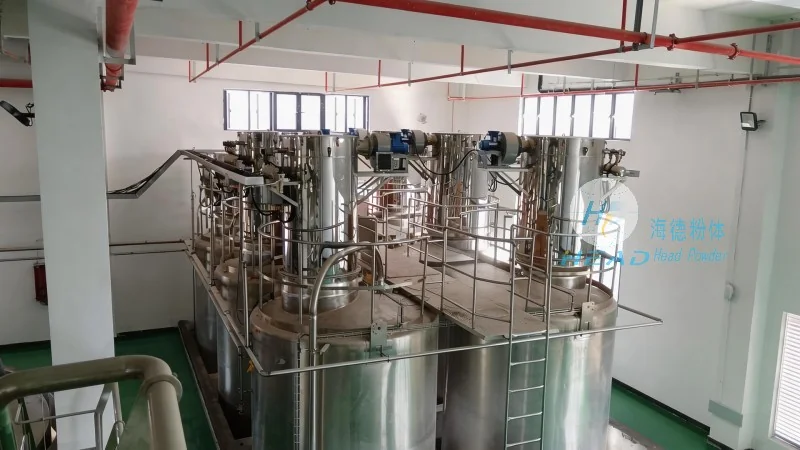
Corn Kernels Pneumatic Conveying: An Overview
Pneumatic conveying, also known as air conveying, is a method of transporting solid materials through a pipeline using a stream of air. In the case of corn kernels, this technology is particularly valuable due to the material's size, density, and moisture content. Unlike traditional belt or bucket elevators, pneumatic systems can handle delicate or sticky materials without causing damage or degradation. The process involves creating a pressure differential between the inlet and outlet of the system, which propels the corn kernels through the pipeline using air as the medium.
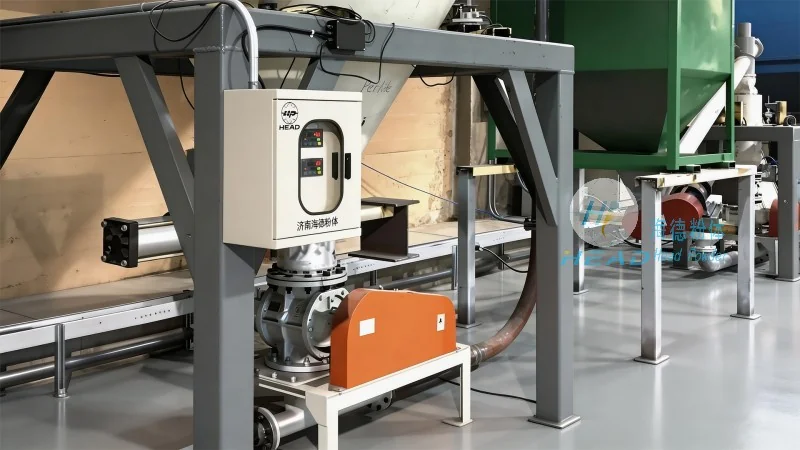
The Role of Air Pressure in Pneumatic Conveying
The design of a corn kernels pneumatic conveying system is heavily influenced by the air pressure used. Two primary types of systems exist: positive pressure and negative pressure. Positive pressure systems generate air pressure at the inlet, pushing the material through the pipeline. This method is often preferred for long-distance or high-capacity applications as it can handle larger particles and is less prone to blockages. Negative pressure systems, on the other hand, create a vacuum at the outlet, drawing the material into the pipeline. These systems are typically used for shorter distances or when the material is sensitive to pressure changes. The choice between positive and negative pressure depends on factors such as the distance between the source and destination, the material's properties, and the desired flow rate.
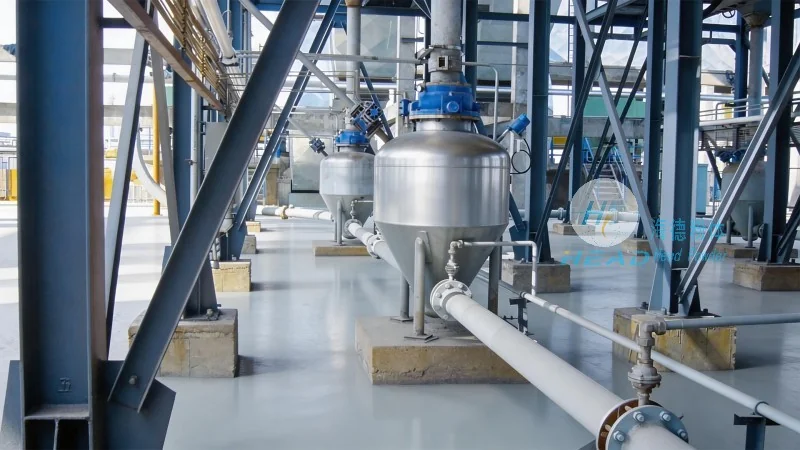
Key Design Considerations for Corn Kernels Pneumatic Conveying
Designing an effective corn kernels pneumatic conveying system requires careful consideration of several key factors. First, the material's physical properties, including particle size, shape, and moisture content, must be analyzed. Corn kernels are typically irregularly shaped and have a relatively high moisture content, which can affect how they flow and interact with the air stream. Engineers must ensure that the system's design accommodates these characteristics to prevent issues like clogging or uneven flow. Second, the system's capacity and flow rate are critical. The design must be able to handle the required throughput without causing excessive pressure drops or energy consumption. This involves selecting appropriate pipe diameters, air velocities, and blower or vacuum pump capacities. Third, the system's layout and components play a significant role. The pipeline configuration, including bends, elbows, and straight sections, must be optimized to minimize pressure losses and ensure smooth material transport. Additionally, the inclusion of components like cyclones, filters, and dust collectors is essential for maintaining system efficiency and compliance with environmental regulations.
Components of a Corn Kernels Pneumatic Conveying System
A typical corn kernels pneumatic conveying system consists of several key components, each playing a vital role in the overall operation. The primary components include a material feed hopper, which holds the corn kernels and feeds them into the system; a blower or vacuum pump, which generates the air pressure or vacuum needed to move the material; a pipeline network, which transports the corn kernels from the source to the destination; and a discharge device, which releases the material at the end of the pipeline. The feed hopper is designed to control the flow rate of the corn kernels, preventing overloading and ensuring consistent material supply. The blower or vacuum pump provides the necessary air flow, with its capacity and pressure rating tailored to the system's requirements. The pipeline network is constructed from materials that are resistant to corrosion and wear, such as stainless steel or PVC, to withstand the abrasive nature of corn kernels. The discharge device, often a cyclone separator, separates the corn kernels from the air stream and directs them to the desired location, while the air is filtered and recycled back into the system.
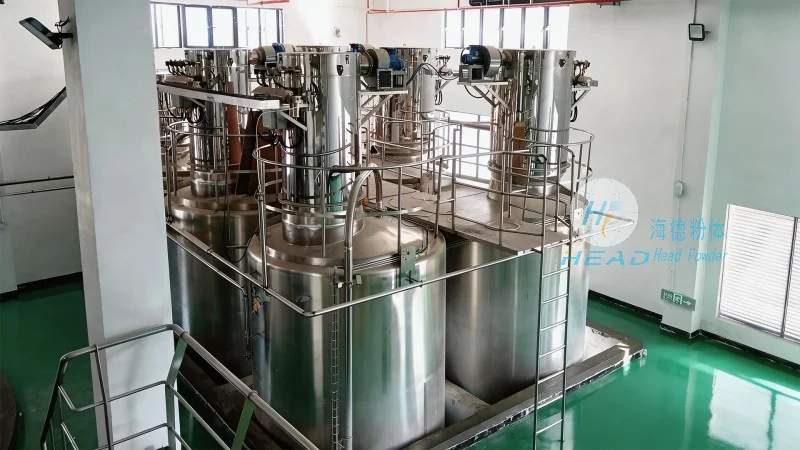
Advantages of Corn Kernels Pneumatic Conveying
Implementing a corn kernels pneumatic conveying system offers several advantages over traditional material handling methods. One of the most significant benefits is the reduction in mechanical wear and tear. Unlike belt or bucket elevators, which rely on moving parts that can break or wear out over time, pneumatic systems use air as the primary transport medium, minimizing the need for maintenance and extending the system's lifespan. Additionally, pneumatic conveying is a clean and hygienic process, making it suitable for food processing applications where contamination must be minimized. The enclosed pipeline system prevents dust and debris from escaping into the environment, reducing the risk of product contamination and improving workplace safety. Another advantage is the flexibility of the system. Pneumatic conveying can be easily reconfigured or expanded to accommodate changes in production volume or layout, allowing for scalability as the business grows. Furthermore, the system's ability to handle delicate materials without causing damage or degradation makes it ideal for industries where product quality is paramount.




