Resin powder pneumatic conveying is a specialized method used to transport resin powders through a pipeline using air or other gas as the conveying medium. This technology is widely applied in the chemical and manufacturing industries, offering an efficient and flexible solution for handling fine resin powders. Understanding the fundamental concepts and design principles behind this system is crucial for optimizing performance and ensuring reliable operation.
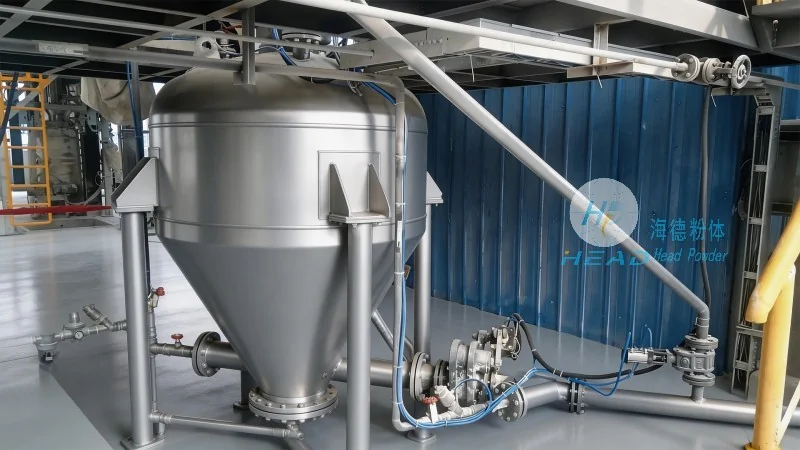
Understanding Resin Powder Pneumatic Conveying
At its core, resin powder pneumatic conveying involves the use of a pressurized or vacuum system to move resin powders from a source to a destination. The process typically involves a hopper or feeder that supplies the resin powder, a conveying line where the powder is transported, and a receiver or destination vessel where the material is deposited. The conveying medium, usually air, is introduced at one end of the line and creates a flow that propels the resin powder particles through the system. This method eliminates the need for mechanical components like belts or screws, reducing maintenance and increasing operational flexibility.
Key Design Principles for Resin Powder Pneumatic Conveying Systems
The design of a resin powder pneumatic conveying system requires careful consideration of several critical factors to ensure optimal performance and efficiency. The first principle is the selection of the appropriate conveying method, which can be categorized as dilute-phase or dense-phase. Dilute-phase systems use low air velocities and are suitable for short distances or low particle concentrations, while dense-phase systems employ higher air velocities and are ideal for longer distances or when handling abrasive or sensitive materials. For resin powders, the choice often depends on the specific characteristics of the material, such as particle size, density, and flowability.
Another essential design principle is the calculation of the required air velocity and pressure. The air velocity must be sufficient to overcome the gravitational and frictional forces acting on the resin powder particles, ensuring they remain suspended and transported effectively. This calculation involves determining the minimum velocity needed to keep the particles in suspension, often referred to as the "minimum conveying velocity." Additionally, the system's pressure requirements are determined by the distance between the source and destination, the number of bends or fittings in the pipeline, and the overall system resistance. Proper pressure management is vital to prevent material degradation or blockages in the pipeline.
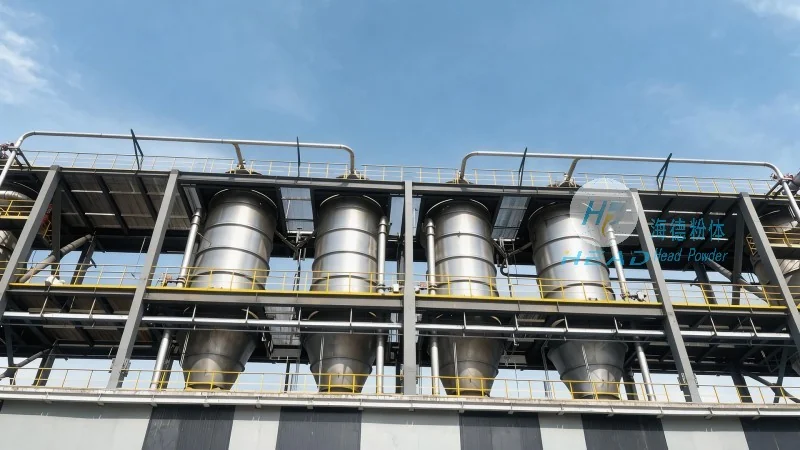
Components and Their Roles in Resin Powder Pneumatic Conveying
A typical resin powder pneumatic conveying system consists of several key components, each playing a specific role in the overall operation. The hopper or feeder is the primary source of the resin powder, providing a consistent supply to the system. It is designed to minimize material buildup and ensure smooth flow, often incorporating features like agitators or vibrators to prevent caking or bridging. The feeder controls the flow rate of the resin powder, which is critical for maintaining a stable conveying process. The conveying line, usually made of stainless steel or other corrosion-resistant materials, is the main pathway for the resin powder and air mixture. It includes various fittings, such as elbows, tees, and filters, which can affect the system's efficiency and require careful selection to minimize pressure loss.
The receiver or destination vessel is where the resin powder is deposited after being conveyed. It is typically equipped with a discharge valve or hopper to control the release of the material. The system may also include a filter or cyclone to separate the resin powder from the air, preventing dust contamination and ensuring the air is clean before being discharged or recirculated. For resin powders, the choice of materials for these components is crucial, as resin powders can be abrasive or corrosive, requiring durable and compatible materials to avoid wear and degradation over time.
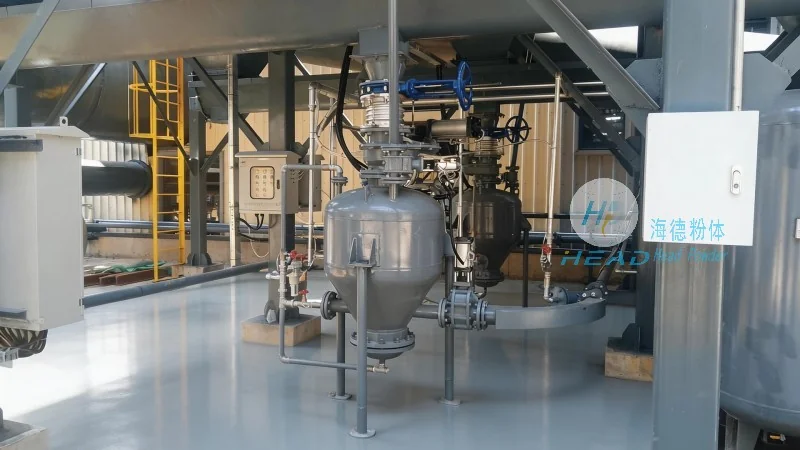
Advantages and Considerations for Resin Powder Pneumatic Conveying
Resin powder pneumatic conveying offers several advantages over traditional mechanical conveying methods. One of the primary benefits is the elimination of mechanical components, which reduces maintenance costs and the risk of mechanical failure. The system is also highly flexible, allowing for changes in the conveying route or destination without significant modifications. Additionally, pneumatic conveying can handle a wide range of resin powder characteristics, including different particle sizes, densities, and flowabilities, making it suitable for various applications in the chemical and manufacturing industries.
However, there are also considerations to keep in mind when implementing a resin powder pneumatic conveying system. The system requires a continuous supply of air or gas, which can increase energy consumption compared to mechanical systems. Additionally, the design must account for the potential for material degradation due to high air velocities or prolonged exposure to air. Proper filtration and material handling practices are essential to prevent dust accumulation and ensure the resin powder remains in good condition throughout the conveying process.
Conclusion
Resin powder pneumatic conveying is a sophisticated and efficient method for transporting resin powders, driven by careful design and consideration of key principles. By understanding the fundamental concepts and components of this system, as well as the advantages and considerations involved, industries can optimize their material handling processes and improve overall operational efficiency. With the expertise of companies like Shandong HeadPowder Engineering Co., Ltd., which specializes in the design and implementation of such systems, organizations can achieve reliable and effective resin powder transportation solutions tailored to their specific needs.




