When it comes to transporting light limestone calcite, selecting the right conveying method is crucial for efficiency, cost-effectiveness, and operational reliability. Various methods are available, each with its own set of advantages and limitations. This article will explore the common types of limestone calcite conveying systems, with a particular focus on the benefits and characteristics of pneumatic conveying.
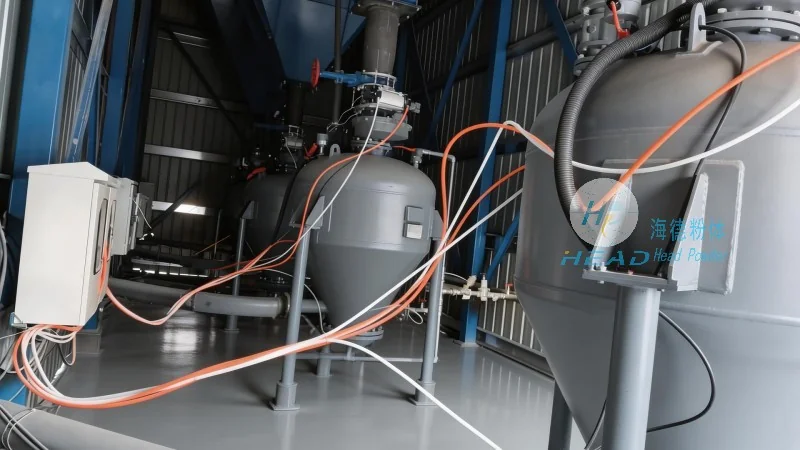
About Shandong HeadPowder Engineering Co., Ltd.
Shandong HeadPowder Engineering Co., Ltd. is a leading provider of specialized solutions in the field of material handling and processing. Based in Shandong, China, the company has established itself as a trusted partner for industries relying on limestone calcite and other fine powders. Their expertise lies in designing and implementing efficient conveying systems that meet the unique demands of various applications.
Types of Limestone Calcite Conveying Methods
There are several primary methods used for transporting light limestone calcite, including gravity flow, mechanical conveying (such as belt conveyors and screw conveyors), and pneumatic conveying. Each method has its own suitability depending on factors like material characteristics, distance, and required throughput.
Gravity flow systems rely on the natural downward movement of the material, typically using chutes or hoppers. While simple and low-cost, they are limited by the need for a suitable slope and are not suitable for long distances or vertical lifts. Mechanical conveyors, on the other hand, use mechanical components like belts or screws to move the material. These systems are effective for moderate distances and can handle a wide range of materials, but they may require more maintenance and have higher energy consumption compared to pneumatic systems.
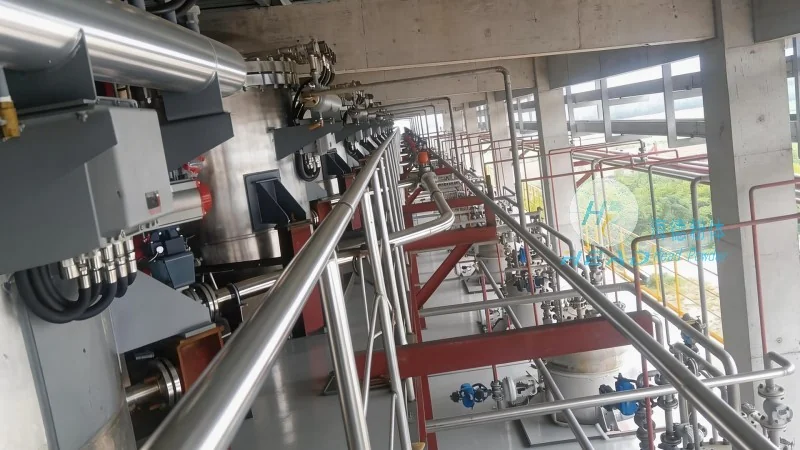
Pneumatic conveying, or air-based transport, involves using air pressure to move the material through a pipeline. This method is particularly well-suited for light limestone calcite due to its fine particle size and low density. Pneumatic systems can transport materials over long distances, including vertical lifts, and can handle both bulk and small quantities efficiently.
Types of Pneumatic Conveying Systems
Pneumatic conveying systems can be categorized into two main types: positive pressure and negative pressure. Positive pressure systems use compressed air to push the material through the pipeline, while negative pressure systems use vacuum to draw the material into the system. For light limestone calcite, positive pressure systems are often preferred due to their ability to handle longer distances and higher material loads without the need for complex vacuum equipment.
Advantages and Features of Pneumatic Conveying for Light Limestone Calcite
Pneumatic conveying offers several key advantages that make it an attractive choice for transporting light limestone calcite. One of the most significant benefits is its ability to handle fine particles without causing excessive wear or blockages. The air flow helps to keep the material suspended, reducing the risk of clogging in the pipeline. This is especially important for limestone calcite, which can be prone to agglomeration or bridging in other conveying systems.
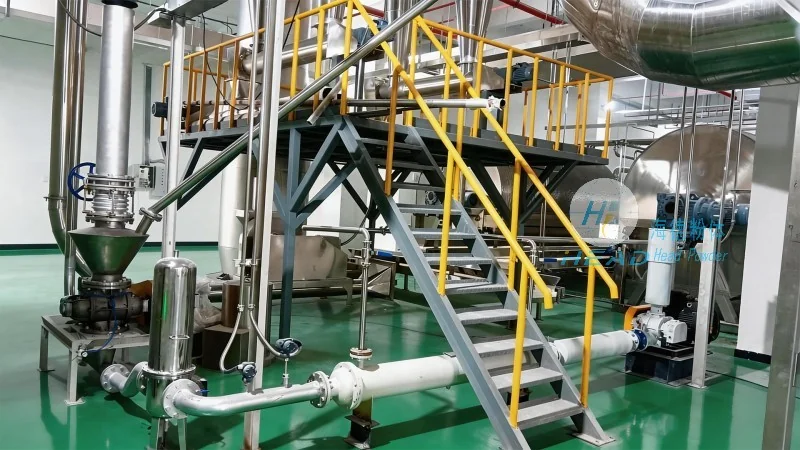
Another advantage is the flexibility of pneumatic systems. They can be easily integrated into existing production lines and can be adjusted to accommodate varying material flow rates. The system can be designed to handle both continuous and intermittent conveying, making it versatile for different operational needs. Additionally, pneumatic conveying can reduce the need for manual handling and improve workplace safety by minimizing direct contact with the material.
From an operational perspective, pneumatic systems often have lower energy consumption compared to mechanical conveyors, especially for long-distance or vertical transport. The use of air as the conveying medium reduces the need for heavy machinery and can lower maintenance costs over time. Furthermore, pneumatic conveying can help maintain the quality of the limestone calcite by preventing contamination from external sources and minimizing exposure to moisture or other environmental factors.
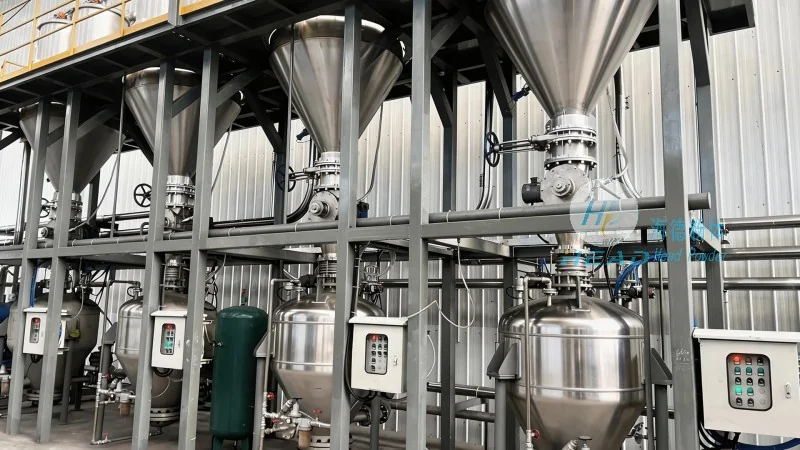
Key Considerations for Implementing Pneumatic Conveying
When implementing a pneumatic conveying system for light limestone calcite, several factors should be considered to ensure optimal performance. The first is the particle size and density of the material, as these affect the air velocity required for effective transport. Proper sizing of the pipeline and air compressor is essential to maintain consistent flow rates and prevent pressure drops. Additionally, the system should be designed to handle any potential dust or particulate emissions, with appropriate filtration and ventilation measures to comply with environmental regulations.
Another critical consideration is the system's capacity and scalability. As production needs grow, the conveying system should be able to accommodate increased material volumes without compromising efficiency. This may involve adding additional pipelines, increasing air pressure, or upgrading to a more robust compressor. Proper maintenance of the system, including regular cleaning of filters and inspection of pipeline components, is also essential to ensure long-term reliability and minimize downtime.
Finally, the integration of the pneumatic conveying system with other production processes should be carefully planned. This includes coordinating with storage, processing, and packaging equipment to ensure a smooth flow of material throughout the entire operation. By considering these factors, industries can maximize the benefits of pneumatic conveying while minimizing potential challenges and ensuring consistent performance.




