For industries dealing with polypropylene materials, an efficient material handling system is crucial for smooth operations and product quality. This article explores the concept of a polypropylene material handling system and its underlying design principles, providing insights into how such systems are engineered to meet the specific demands of polypropylene processing.
Understanding Polypropylene Material Handling Systems
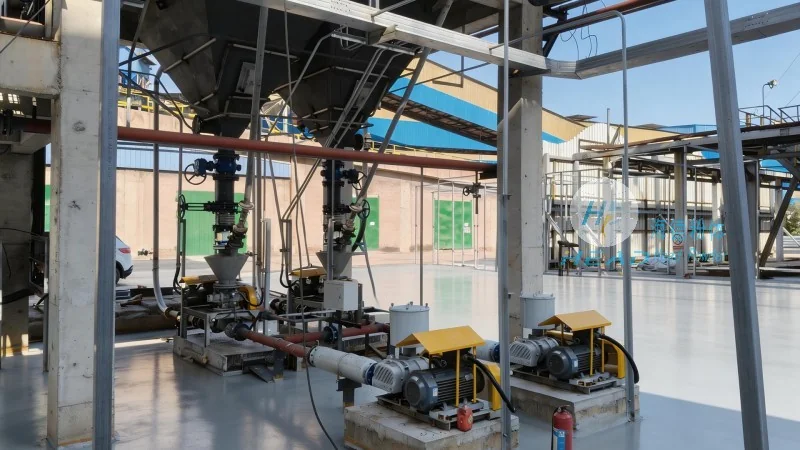
Polypropylene (PP) is a versatile thermoplastic widely used in various applications due to its durability, chemical resistance, and lightweight properties. Handling polypropylene materials requires specialized equipment and systems to ensure safe and efficient transport, storage, and processing. A polypropylene material handling system typically includes components such as conveyors, hoppers, storage silos, and feeding mechanisms designed to accommodate the unique characteristics of PP, including its tendency to static charge and its flow properties.
The Role of HeadPowder in Polypropylene Material Handling
HeadPowder, a leading provider of engineering solutions, specializes in designing and manufacturing tailored material handling systems for polypropylene applications. With a strong presence in Shandong, China, HeadPowder leverages years of experience to deliver high-quality systems that enhance productivity and reduce operational costs for clients in the plastics industry. The company’s expertise lies in understanding the specific challenges of polypropylene handling and developing innovative solutions that address these challenges effectively.
Key Design Principles for Polypropylene Material Handling Systems
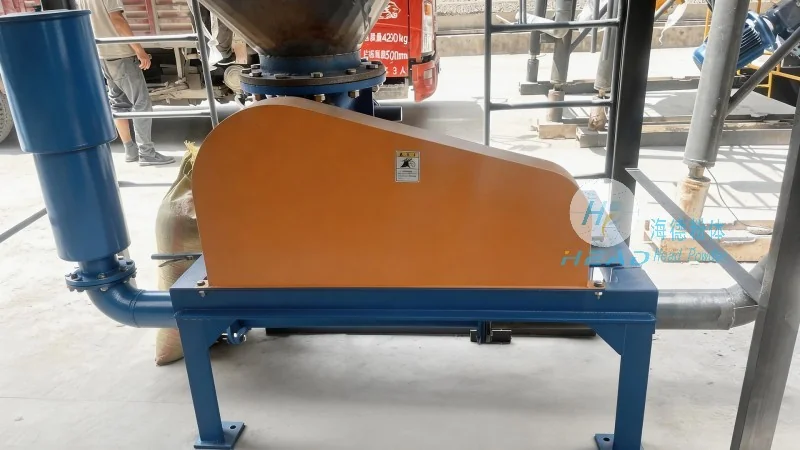
The design of a polypropylene material handling system is guided by several critical principles aimed at optimizing performance and ensuring safety. One of the primary considerations is the prevention of material degradation, which can occur due to friction, heat, or static electricity. To mitigate this, systems often incorporate anti-static measures, such as grounding and ionizing equipment, to maintain the material’s electrical neutrality. Additionally, the system design must account for the flow characteristics of polypropylene, which can vary based on moisture content, temperature, and particle size. Proper hopper design and conveyor speed control are essential to prevent material bridging or segregation, ensuring a consistent flow rate.
Material Handling Components and Their Functions
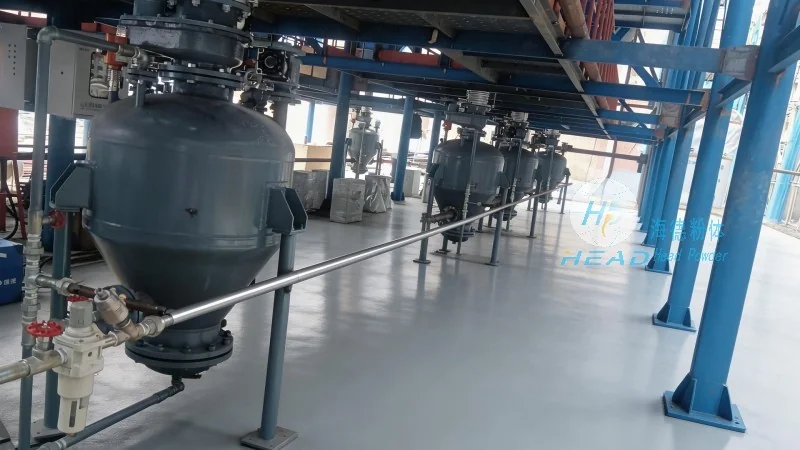
A polypropylene material handling system typically consists of several interconnected components, each playing a vital role in the overall process. The storage silo or hopper is the first stage, where polypropylene is stored before being fed into the system. The feeding mechanism, often a rotary valve or a screw feeder, regulates the flow of material into the conveyor. Conveyors, such as belt or screw conveyors, transport the polypropylene from the storage area to the processing equipment. In some cases, pneumatic conveying systems are used for long-distance transport, especially when dealing with fine or powdery polypropylene. Each component is designed to handle the specific properties of polypropylene, ensuring minimal wear and tear and maximizing efficiency.
Ensuring Safety and Compliance in Polypropylene Handling
Handling polypropylene materials involves adherence to safety and regulatory standards to protect both personnel and the environment. Polypropylene is generally considered non-toxic, but it can generate static electricity, which poses a risk of fire or explosion in certain environments. Therefore, anti-static measures are a critical part of the system design. Additionally, the system must comply with local regulations regarding material storage and handling, including proper ventilation and dust control measures. HeadPowder ensures that all its polypropylene material handling systems meet these safety and compliance requirements, providing clients with peace of mind and operational reliability.
Conclusion: The Importance of Specialized Design
In conclusion, a polypropylene material handling system is a sophisticated engineering solution that combines various components and design principles to efficiently handle polypropylene materials. The success of such a system depends on understanding the unique properties of polypropylene and tailoring the design to meet specific operational needs. Companies like HeadPowder play a vital role in providing these specialized systems, leveraging their expertise to deliver solutions that enhance productivity, ensure safety, and maintain product quality. For industries relying on polypropylene, investing in a well-designed material handling system is essential for long-term success and operational efficiency.




