Industrial salt material handling systems are critical components in various industries, particularly those involved in the processing, storage, and distribution of salt. These systems are engineered to efficiently transport bulk salt from one location to another, ensuring smooth operations and minimal downtime. The design of such systems is a complex process that involves careful consideration of several factors, including the type of salt, operational requirements, and environmental conditions.
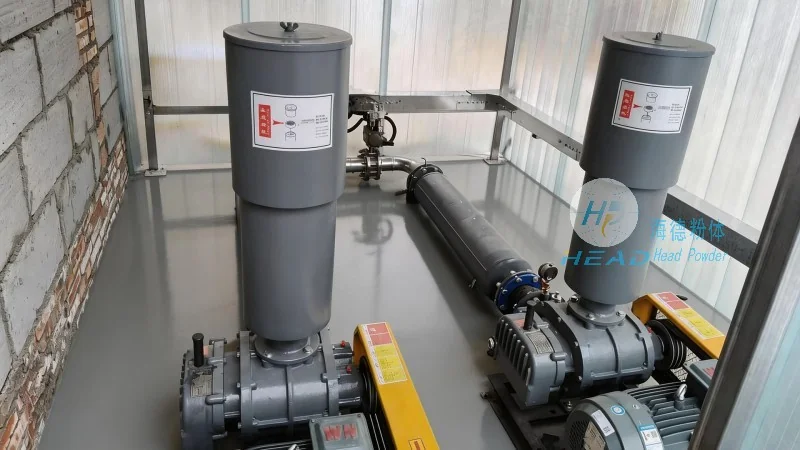
Key Components of an Industrial Salt Material Handling System
At the core of any industrial salt material handling system are several key components that work in tandem to achieve efficient material transport. These components typically include feeders, conveyors, storage silos, and control systems. Feeders are responsible for regulating the flow of salt from storage silos or bulk containers into the conveyor system. Conveyors, which can be belt, screw, or pneumatic, move the salt through the system. Storage silos are used to store large quantities of salt, providing a buffer for production and ensuring a steady supply. Control systems, often equipped with sensors and automation technology, monitor and adjust the system's operations to maintain optimal performance.
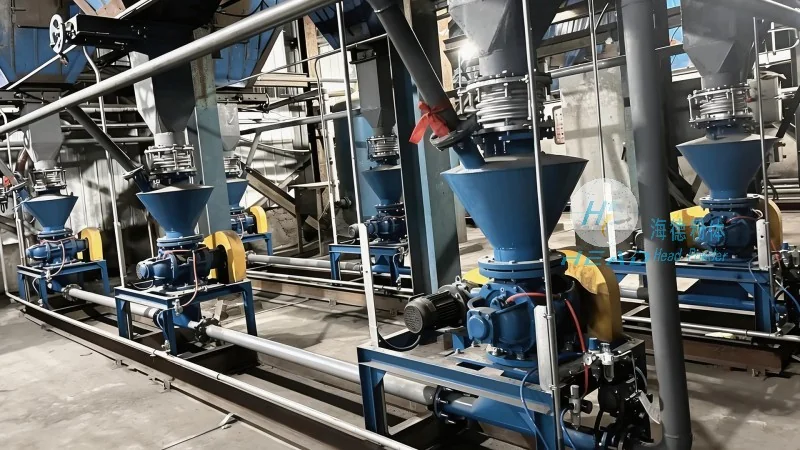
Design Principles for Industrial Salt Material Handling Systems
The design principles for industrial salt material handling systems are guided by several key objectives, including efficiency, durability, and safety. Efficiency is paramount, as these systems are often used in high-volume operations where downtime can lead to significant losses. Durability is essential due to the corrosive nature of salt and the abrasive conditions it creates. Safety considerations are also critical, as industrial operations involve heavy machinery and potential hazards. Designers must ensure that the system is constructed from materials that can withstand the chemical and physical stresses of salt handling, such as stainless steel or specialized coatings. Additionally, the system should be designed to minimize dust generation and prevent the accumulation of moisture, which can lead to clumping and blockages.
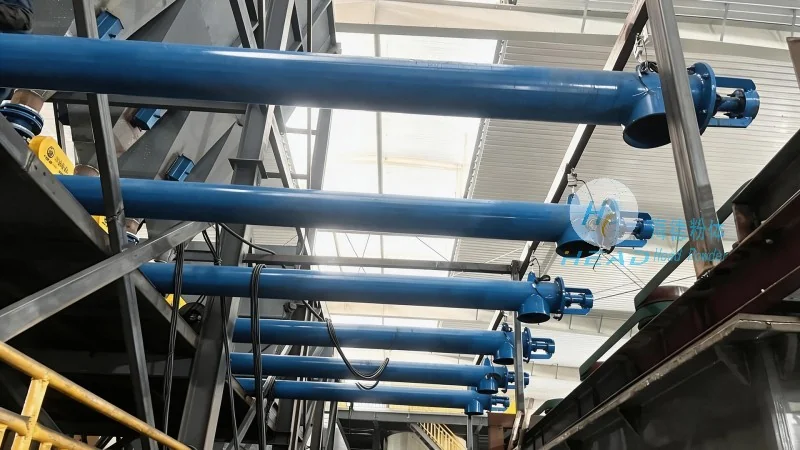
The Role of Material Properties in System Design
The properties of the salt itself play a crucial role in the design of the material handling system. Different types of salt, such as table salt, rock salt, or de-icing salt, have varying characteristics that affect the system's design. For example, rock salt is typically coarser and more abrasive, requiring more robust components like heavy-duty conveyors and wear-resistant liners. De-icing salt, on the other hand, may contain additives or be more hygroscopic, necessitating special handling to prevent caking and ensure consistent flow. The moisture content of the salt is another critical factor, as high moisture levels can lead to clumping and increased wear on equipment. Designers must account for these variations to ensure the system operates effectively and reliably.
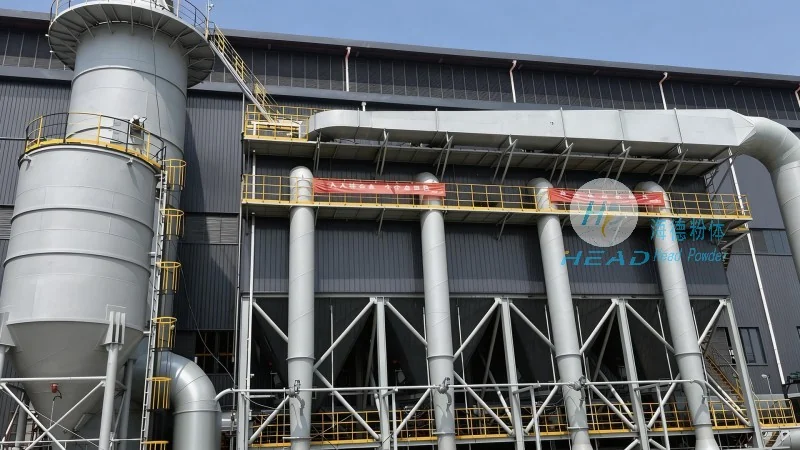
HeadPowder Engineering's Expertise in Industrial Salt Handling
Shandong HeadPowder Engineering Co., Ltd., a leading provider of industrial material handling solutions, specializes in designing and manufacturing systems tailored to the unique needs of salt handling operations. With years of experience in the industry, HeadPowder has developed a deep understanding of the challenges associated with salt processing and has developed innovative solutions to address them. The company's team of engineers and technicians work closely with clients to assess their specific requirements, from the type of salt being handled to the scale of operations, and design systems that meet their needs. HeadPowder's systems are built with high-quality materials and advanced technology, ensuring durability, efficiency, and safety. The company's commitment to quality and customer satisfaction has made it a trusted partner for businesses in the salt industry.




