When it comes to industrial operations that involve the handling and transportation of mineral granular materials, understanding the technology behind efficient conveying systems is crucial. A mineral granular material conveying system is a specialized piece of equipment designed to move bulk materials such as ores, powders, and other granular substances from one location to another within a processing facility or across a site. These systems are integral to many industries, including mining, manufacturing, and construction, where the reliable and efficient movement of raw materials is essential for operational success.
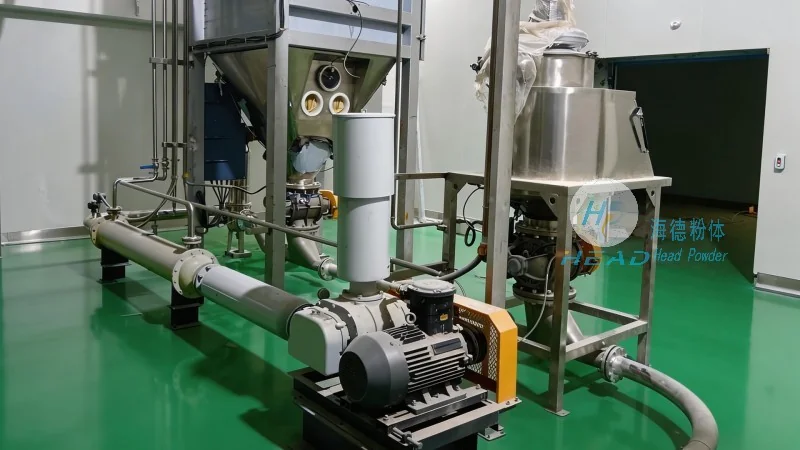
Understanding the Core Components of a Conveying System
The fundamental components of a mineral granular material conveying system typically include a feed hopper, a conveyor mechanism (such as a belt, screw, or pneumatic system), and a discharge outlet. The feed hopper is responsible for receiving the material and feeding it into the conveyor. The conveyor mechanism then transports the material along the designated path, while the discharge outlet allows the material to be released at the desired location. Each component plays a critical role in ensuring the system operates smoothly and efficiently.
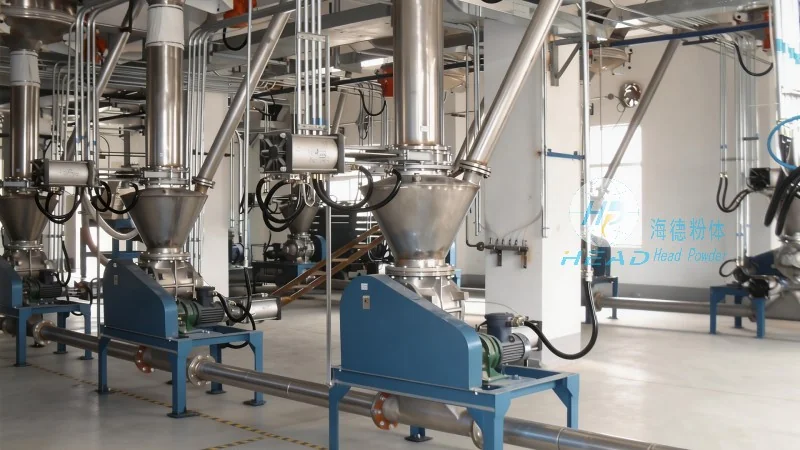
The Role of Design Principles in Conveying System Performance
Design principles are the foundational guidelines that engineers follow when developing a mineral granular material conveying system. These principles are tailored to the specific characteristics of the material being conveyed, including its size, density, moisture content, and flowability. A well-designed system must consider factors such as the material's angle of repose, which determines how steeply the conveyor can be inclined without causing material buildup or spillage. Additionally, the system's capacity and speed must be optimized to match the production requirements of the facility.
Key Design Considerations for Efficient Material Handling
Several key design considerations are essential for ensuring the effectiveness of a mineral granular material conveying system. One of the most critical is the selection of the appropriate conveyor type. For example, a belt conveyor is ideal for transporting larger, heavier materials over long distances, while a screw conveyor is better suited for handling fine powders or materials that require more precise control. The choice of conveyor type directly impacts the system's efficiency and operational costs. Another important consideration is the material of construction for the conveyor components. Materials like stainless steel or high-grade alloys are often used to prevent corrosion and ensure durability, especially when handling corrosive or abrasive materials.
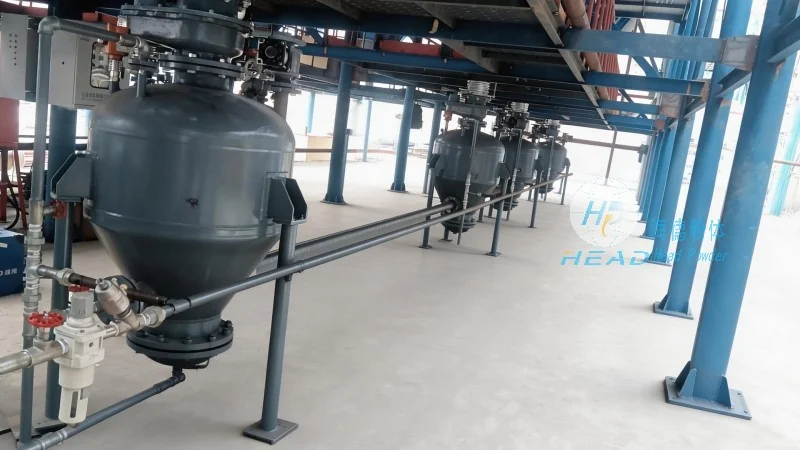
The Importance of System Integration and Maintenance
A mineral granular material conveying system's performance is not only dependent on its initial design but also on its integration with other equipment and regular maintenance. Proper integration ensures that the conveying system works in harmony with other processing equipment, such as crushers, screens, and storage silos. This coordination is vital for maintaining a smooth flow of materials throughout the entire production process. Regular maintenance, including inspections, cleaning, and part replacements, is essential to prevent system downtime and extend the lifespan of the equipment. Companies like Shandong HeadPowder Engineering Co., Ltd., based in China, specialize in designing and manufacturing such conveying systems, providing tailored solutions that meet the unique needs of their clients.




