Resin sand material handling systems are integral components in modern foundries, specifically designed to manage the flow and transportation of resin-coated sand used in the casting process. These systems are crucial for optimizing production efficiency, ensuring consistent quality, and maintaining a safe working environment. Understanding the fundamentals of such systems, including their design principles, is essential for manufacturers seeking to enhance their casting operations.
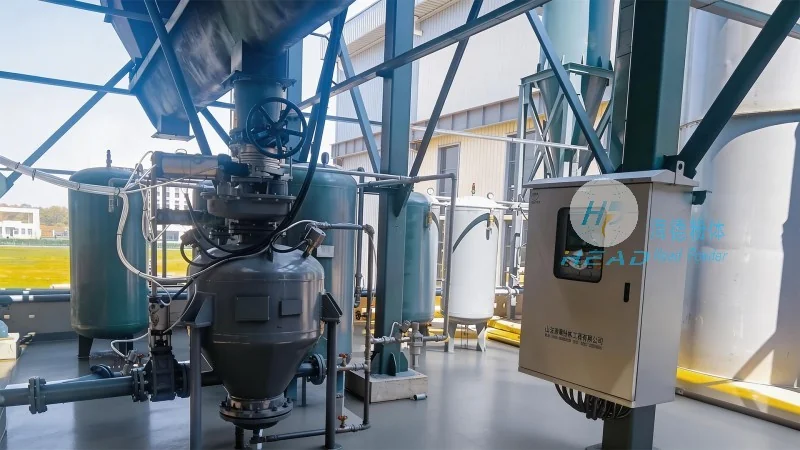
Definition and Purpose of Resin Sand Material Handling Systems
Resin sand, also known as no-bake sand, is a type of foundry sand that uses a thermosetting resin binder instead of traditional clay binders. This material offers several advantages, including improved mold strength, reduced moisture content, and better reusability. The material handling system for resin sand is responsible for transporting this specialized sand from storage to the molding or core-making areas, and then back to the reclamation or recycling process. The primary purpose of these systems is to ensure a continuous and efficient supply of resin sand while minimizing downtime and material loss.
Key Design Principles for Resin Sand Material Handling
The design of a resin sand material handling system involves several critical principles that must be considered to achieve optimal performance. First, the system must accommodate the unique physical properties of resin sand, such as its fine particle size, high moisture sensitivity, and the need for gentle handling to prevent degradation. Engineers must select equipment that minimizes abrasion and friction, as these can affect the sand's quality and the longevity of the machinery. For instance, conveyor belts with specialized coatings or the use of air slides instead of traditional rollers may be employed to reduce wear on the sand particles.
Second, the system's design must address the need for consistent material flow. This includes considerations like the angle of inclination for conveyors, the speed of the transport equipment, and the use of feeders or metering devices to control the sand's discharge rate. Properly designed feeding mechanisms, such as rotary valves or screw feeders, are essential to maintain a steady flow and prevent blockages or uneven distribution. The system must also account for variations in production demand, allowing for flexibility in adjusting the throughput to match different casting stages.
System Components and Their Roles
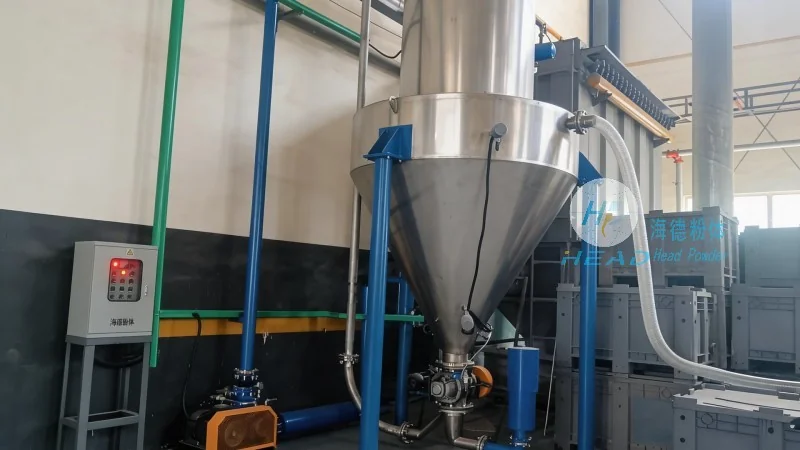
A typical resin sand material handling system comprises several key components, each playing a vital role in the overall operation. The primary components include storage silos or bins for raw resin sand, feeding equipment to control the sand's release, conveying systems to transport the sand to the molding area, and control panels to monitor and regulate the entire process. Storage silos are often equipped with level sensors to ensure accurate inventory management and prevent overfilling or underfilling. Feeding equipment, such as vibrating feeders or rotary airlock valves, ensures that the sand is discharged at a controlled rate, preventing surges or drops that could disrupt the downstream processes.
The conveying system is a critical element, as it must handle the resin sand efficiently without causing damage. Options include belt conveyors, bucket elevators, or pneumatic conveying systems. Belt conveyors are commonly used for horizontal and slight incline transport due to their simplicity and reliability. They are often equipped with special belts that resist abrasion from the sand particles. For vertical or longer horizontal distances, bucket elevators or air slides may be more suitable, as they can handle the sand with less mechanical contact, reducing wear and maintaining the sand's quality. Pneumatic conveying systems, using air pressure to move the sand through pipes, are ideal for applications requiring high flexibility or when the sand needs to be transported over long distances or around obstacles.
Control and Automation in Resin Sand Handling Systems
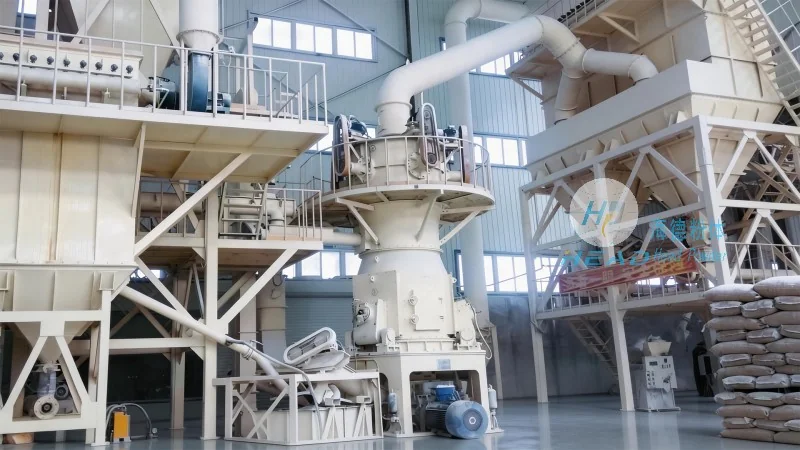
Modern resin sand material handling systems often incorporate advanced control and automation features to enhance efficiency and reliability. These systems typically include sensors and monitoring devices that track key parameters such as sand level, temperature, and flow rate. The control panel, often integrated with a programmable logic controller (PLC), allows operators to adjust settings and monitor the system's performance in real-time. Automation can also include features like automatic shutdown in case of overfilling or blockages, ensuring safety and preventing equipment damage. Additionally, some systems may include data logging capabilities, which help in analyzing performance metrics and identifying areas for improvement over time.
Importance of Proper Design and Maintenance
Proper design and regular maintenance are essential for the long-term effectiveness of a resin sand material handling system. A well-designed system minimizes the risk of material degradation, equipment failure, and production disruptions. Regular maintenance, including cleaning of conveyor belts, checking for wear on components, and verifying the functionality of sensors and controls, is crucial to ensure the system operates at peak efficiency. Shandong HeadPowder Engineering Co., Ltd., a leading provider in this field, emphasizes the importance of both design expertise and maintenance services to help foundries achieve optimal performance and extend the lifespan of their material handling systems.
Conclusion
In summary, resin sand material handling systems are sophisticated solutions designed to meet the specific needs of foundries using resin-coated sand. Their design principles focus on accommodating the unique properties of resin sand, ensuring consistent and efficient material flow, and integrating advanced control and automation features. By understanding these principles and investing in well-designed, properly maintained systems, foundries can enhance their production processes, improve product quality, and maintain a competitive edge in the industry. Shandong HeadPowder Engineering Co., Ltd. offers comprehensive solutions and expertise to help businesses achieve these goals, supporting them in optimizing their resin sand handling operations.




