Understanding the Rubber Granule Material Handling System and Its Design Principles
Introduction to Rubber Granule Material Handling Systems
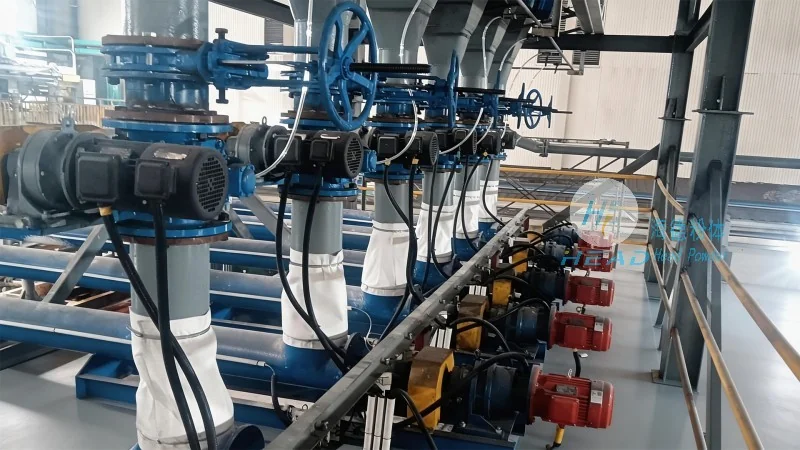
A rubber granule material handling system is a specialized industrial solution designed to transport, store, and manage rubber granules efficiently. These systems are widely used in various industries, including sports surfaces, playgrounds, and industrial flooring, where rubber granules are a key component. The system typically involves a combination of equipment such as conveyors, storage silos, and feeding mechanisms to ensure smooth material flow. By leveraging advanced engineering and material handling technologies, these systems enhance operational efficiency and product quality.
Key Components of Rubber Granule Material Handling Systems
The core components of a rubber granule material handling system include the following elements:
- Conveyors: These are the primary means of transporting rubber granules from one location to another. Common types include belt conveyors, screw conveyors, and pneumatic conveyors, each offering unique advantages based on the material characteristics and application requirements.
- Storage Silos: Large-capacity storage units that hold rubber granules before processing or distribution. These silos are designed to prevent material degradation and ensure consistent material quality. They often feature aeration systems to maintain optimal moisture levels and prevent caking.
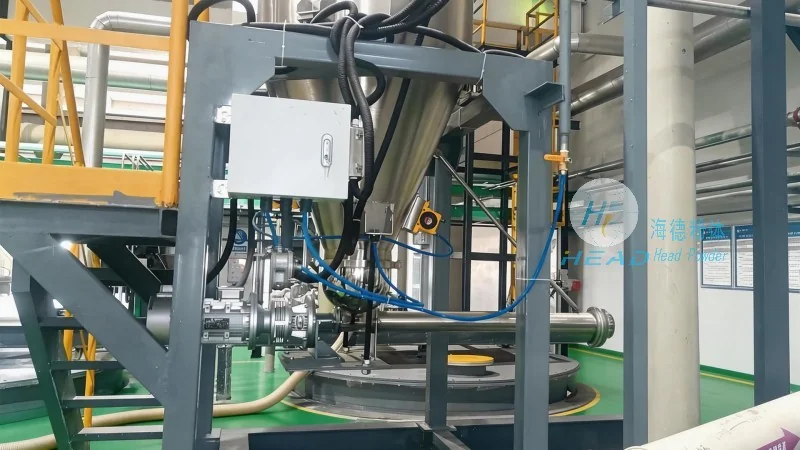
- Feeding and Dosing Systems: These components regulate the flow of rubber granules into processing equipment or packaging units. They may include rotary valves, screw feeders, or vibrating feeders, which ensure precise and controlled material discharge.
- Control Systems: Modern rubber granule material handling systems are equipped with advanced control panels and sensors. These systems monitor key parameters such as flow rate, pressure, and temperature, allowing for real-time adjustments and automated operation. This integration enhances safety and operational reliability.
Design Principles for Rubber Granule Material Handling Systems
The design of a rubber granule material handling system follows several critical principles to ensure optimal performance and longevity:
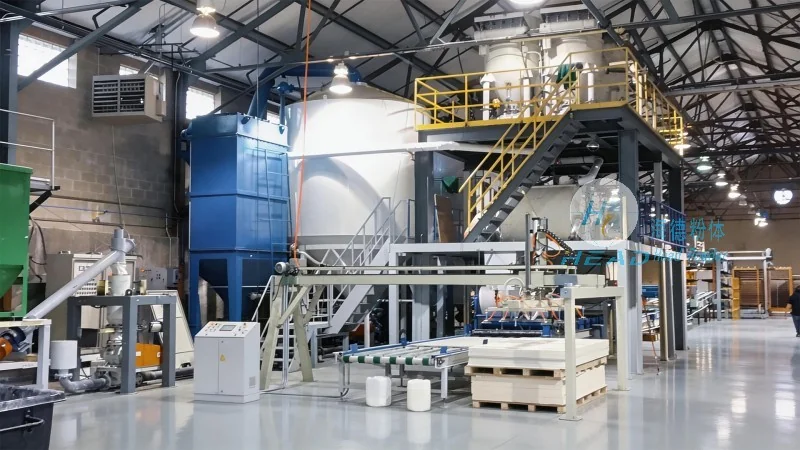
First, the system must be designed to handle the specific physical properties of rubber granules. These granules are typically irregularly shaped, with varying sizes and densities, which can affect material flow and equipment wear. Engineers must consider factors such as particle size distribution, moisture content, and abrasiveness when selecting equipment and materials for the system.
Second, the system should prioritize material containment and dust control. Rubber granules are often fine and can generate dust during handling, which poses health and safety risks. Therefore, the design incorporates dust collection systems, sealed conveyor sections, and proper ventilation to minimize airborne particles and ensure a safe working environment.
Third, the system must be scalable and adaptable to changing production needs. As production volumes fluctuate, the material handling system should be able to adjust its capacity without significant modifications. This flexibility is achieved through modular design, where components can be added or removed as required, allowing for future expansion or reconfiguration.
Fourth, energy efficiency is a key consideration in modern system design. Engineers aim to minimize energy consumption by optimizing conveyor speeds, reducing friction in moving parts, and using energy-efficient motors. This not only lowers operational costs but also aligns with sustainability goals in industrial operations.
Application Examples and Industry Impact
Rubber granule material handling systems are integral to various applications across different industries. For instance, in the sports industry, these systems are used to transport rubber granules for the production of artificial turf and playground surfaces. The consistent quality of the material ensures the durability and safety of these sports facilities. In industrial flooring applications, the system ensures that rubber granules are uniformly distributed, resulting in high-performance, slip-resistant flooring.
In the manufacturing sector, rubber granules are used in the production of rubber products such as mats, mats, and seals. The material handling system ensures that raw rubber granules are delivered to processing equipment in a controlled manner, reducing waste and improving product consistency. This contributes to higher productivity and lower production costs for manufacturers.
Conclusion
A rubber granule material handling system is a sophisticated industrial solution that combines advanced engineering with material handling technologies to efficiently transport and manage rubber granules. The design principles, which prioritize material properties, safety, scalability, and energy efficiency, ensure that these systems deliver optimal performance and reliability. As a leading provider in this field, Shandong HeadPowder Engineering Co., Ltd. specializes in designing and manufacturing customized material handling systems tailored to the specific needs of various industries. With a focus on quality and innovation, the company ensures that its systems meet the highest standards of performance and safety, contributing to the success of its clients' operations.




