Industrial alkali material handling systems are critical components in various industrial processes, particularly in sectors dealing with caustic chemicals like sodium hydroxide, potassium hydroxide, and other alkaline substances. These systems are designed to safely and efficiently transport, store, and manage alkali materials throughout the production cycle. Understanding the core components and design principles of such systems is essential for ensuring operational efficiency, safety compliance, and long-term reliability in industrial applications. The proper handling of these materials is not only crucial for maintaining production continuity but also for protecting personnel and the environment from potential hazards associated with caustic chemicals.
Key Components of Industrial Alkali Material Handling Systems
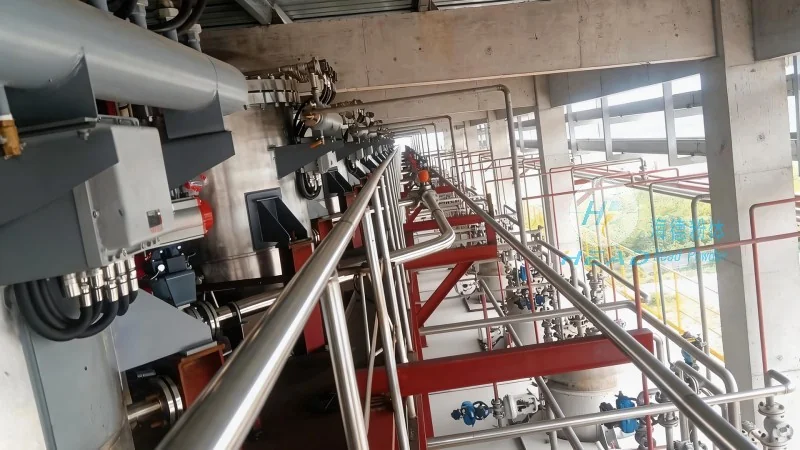
The functionality of an industrial alkali material handling system relies on several key components that work in concert to facilitate the movement and handling of these materials. These components typically include bulk material feeders, conveyor systems, storage tanks or silos, and specialized valves or pumps. Each component is engineered to withstand the corrosive nature of alkali materials, often requiring materials like stainless steel, PTFE, or other corrosion-resistant alloys to prevent degradation and ensure durability. The feeders, for instance, are designed to control the flow rate of the material, preventing overloading or underflow that could disrupt the entire system. Conveyor systems, whether belt, screw, or pneumatic, are chosen based on the specific characteristics of the alkali material, such as its particle size, density, and flowability. Storage tanks or silos are equipped with appropriate lining or coatings to protect against chemical attack and maintain the integrity of the stored material. Valves and pumps, particularly those used for transferring alkali solutions, are often equipped with seals and gaskets made from materials like PTFE or Viton to prevent leakage and ensure safe operation. The selection of these components is a critical step in the design process, as each part must be compatible with the specific alkali material being handled to avoid corrosion or material degradation.
Design Principles for Industrial Alkali Material Handling Systems
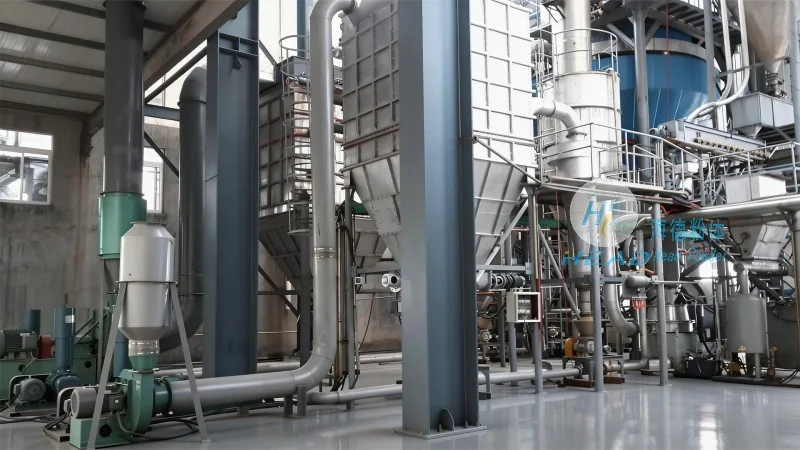
The design of industrial alkali material handling systems follows several fundamental principles aimed at maximizing safety, efficiency, and durability. One of the primary principles is the use of corrosion-resistant materials throughout the system. Since alkali materials are highly corrosive, components such as tanks, pipes, and valves must be constructed from materials that can withstand prolonged exposure to these chemicals. Stainless steel, particularly grades like 316 or 316L, is commonly used for its excellent resistance to corrosion and its ability to maintain structural integrity under harsh conditions. Additionally, specialized coatings or linings, such as epoxy or polyurethane, may be applied to metal surfaces to provide an extra layer of protection against chemical attack. Another critical design principle is the implementation of proper sealing and gasketing to prevent leaks. Leaks in alkali handling systems can lead to hazardous situations, including chemical exposure, environmental contamination, and equipment damage. Therefore, all joints, connections, and moving parts are designed with tight sealing mechanisms, often using PTFE or other non-reactive materials, to ensure a secure and leak-free operation. The system also incorporates safety features such as pressure relief valves, emergency shut-off valves, and monitoring systems to detect and respond to potential issues in real-time. These safety measures are essential for preventing accidents and ensuring the well-being of personnel operating the system. Furthermore, the design considers the flow characteristics of the alkali material. For example, if the material is a fine powder, a screw conveyor or pneumatic conveyor may be preferred to avoid blockages and ensure smooth transport. Conversely, if the material is a liquid or slurry, a pump system with appropriate impellers and seals is used to maintain consistent flow. The design also takes into account the storage capacity and the rate of material consumption, ensuring that the system can meet the operational demands without causing bottlenecks or overloading. By adhering to these design principles, industrial alkali material handling systems can operate reliably and safely, supporting the efficient production processes of various industries.
Applications and Benefits of Industrial Alkali Material Handling Systems
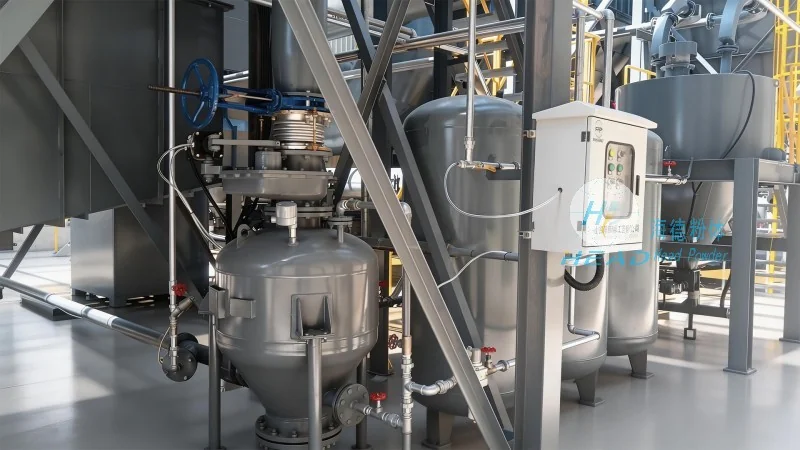
Industrial alkali material handling systems find applications in a wide range of industries, including chemical manufacturing, pulp and paper production, water treatment, and food processing. In chemical manufacturing, these systems are used to transport and store caustic chemicals used in the production of soaps, detergents, and other chemical products. The ability to handle these materials safely and efficiently is crucial for maintaining production continuity and meeting quality standards. In the pulp and paper industry, alkali materials are used in the pulping process to break down wood fibers, and the handling systems ensure that these chemicals are delivered to the processing units without any issues. Water treatment facilities also rely on alkali material handling systems to adjust the pH levels of water, making them safe for consumption or industrial use. The benefits of using such systems extend beyond safety and efficiency. By optimizing the flow and storage of alkali materials, these systems help reduce material waste, lower operational costs, and improve overall productivity. The use of corrosion-resistant materials and proper sealing techniques minimizes maintenance requirements and extends the lifespan of the equipment, leading to long-term cost savings. Additionally, the systems are designed to comply with environmental and safety regulations, ensuring that the handling of alkali materials does not pose a risk to the environment or human health. The integration of monitoring and control systems allows for real-time tracking of material levels, flow rates, and system performance, enabling operators to make informed decisions and adjust operations as needed. This level of control enhances the reliability of the system and reduces the likelihood of downtime or accidents. Overall, industrial alkali material handling systems play a vital role in supporting the operations of various industries by providing a safe, efficient, and reliable means of handling caustic materials.




