Ammonium sulfate is a widely used chemical compound in various industrial applications, including agriculture, food processing, and chemical manufacturing. The efficient and safe transportation of this material is crucial for maintaining production efficiency and ensuring product quality. This article explores the concept of an ammonium sulfate material handling system and delves into its fundamental design principles, providing insights into how such systems are engineered to meet industrial demands.
The Importance of Material Handling in Ammonium Sulfate Processing
In industrial settings, the handling of bulk materials like ammonium sulfate requires specialized equipment and systems to ensure smooth operations. Traditional methods may lead to inefficiencies, such as material loss, contamination, or increased labor costs. Modern material handling systems address these challenges by integrating advanced technologies and engineering solutions. For companies dealing with ammonium sulfate, investing in a well-designed material handling system is essential to optimize workflow and enhance overall productivity.
Key Components of an Ammonium Sulfate Material Handling System
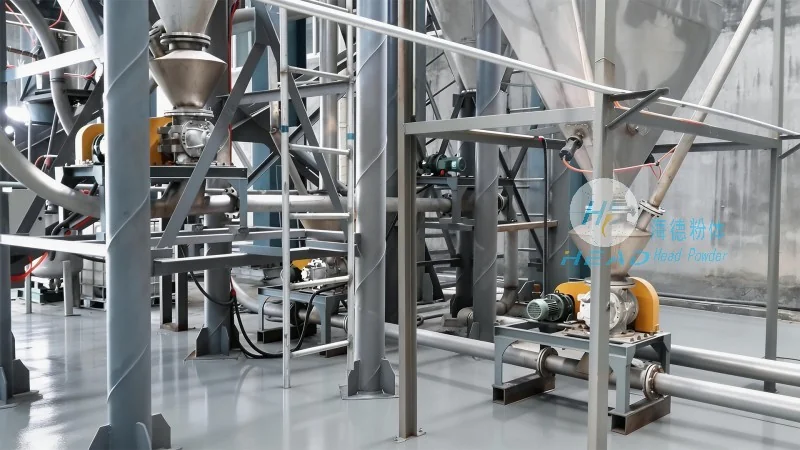
An effective ammonium sulfate material handling system typically consists of several critical components that work in harmony to facilitate the movement of the material. These components may include bulk material feeders, conveyors, storage silos, and discharge mechanisms. Each component is carefully selected and engineered to handle the specific properties of ammonium sulfate, such as its granular structure and potential moisture content. The system is designed to ensure minimal material degradation, maintain consistent flow rates, and prevent blockages or clogging, which are common issues in bulk material handling.
Design Principles for Optimal Performance
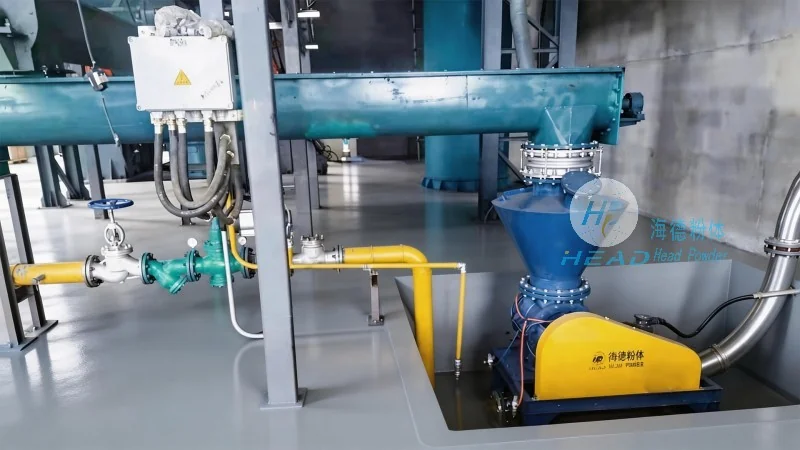
The design of an ammonium sulfate material handling system follows several key principles to ensure reliability, efficiency, and safety. First, the system must be tailored to the specific characteristics of the material, including its particle size distribution, density, and flowability. Engineers consider factors like the material's angle of repose and cohesive properties to design appropriate equipment, such as screw conveyors or pneumatic systems, that can handle the material without causing segregation or degradation. Second, the system is built with durability and longevity in mind, using corrosion-resistant materials to withstand the chemical environment of ammonium sulfate. This ensures that the equipment can operate for extended periods without frequent maintenance or replacement. Third, safety is a paramount consideration. The system incorporates features like dust suppression, proper ventilation, and emergency stop mechanisms to protect operators and the environment from potential hazards. Additionally, the design emphasizes energy efficiency, minimizing power consumption while maintaining optimal performance.
HeadPowder's Expertise in Ammonium Sulfate Material Handling
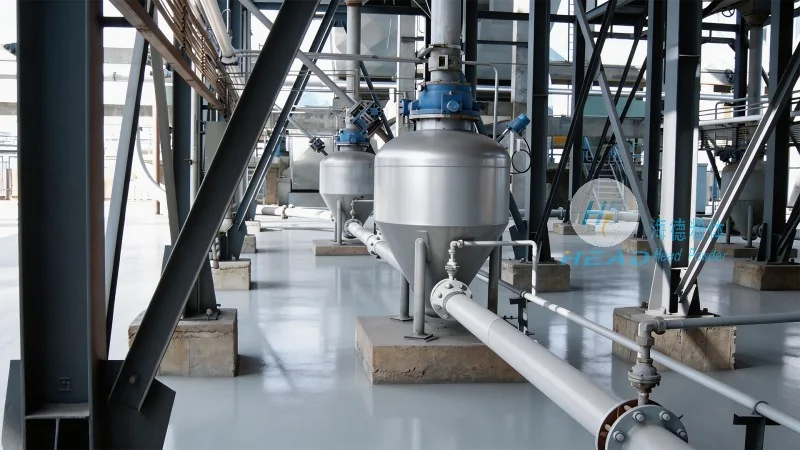
Shandong HeadPowder Engineering Co., Ltd., commonly known as HeadPowder, is a leading provider of customized material handling solutions for industrial applications. With years of experience in the field, HeadPowder specializes in designing and manufacturing systems tailored to the unique needs of clients dealing with ammonium sulfate and other bulk chemicals. The company's team of engineers and technicians leverages advanced engineering principles and cutting-edge technologies to develop systems that meet the highest standards of performance, safety, and reliability. HeadPowder's commitment to quality and customer satisfaction has made it a trusted partner for businesses seeking efficient and effective material handling solutions.
Addressing Common Challenges in Ammonium Sulfate Handling
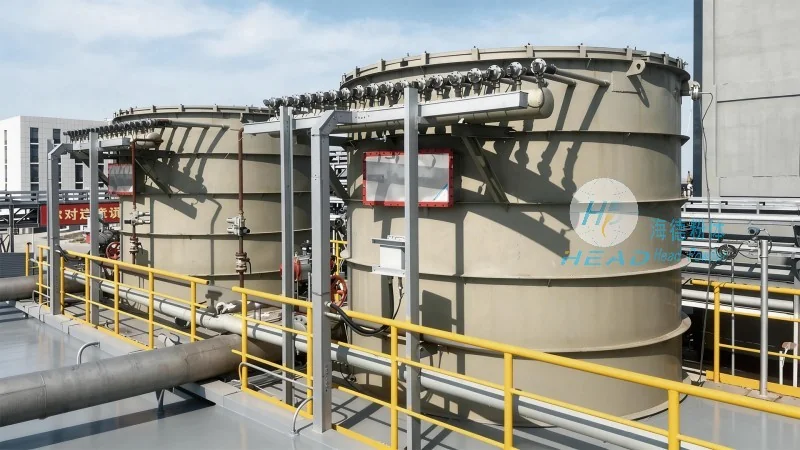
Handling ammonium sulfate presents several challenges that require specialized solutions. One of the primary concerns is the material's tendency to clump or agglomerate, which can lead to blockages in conveyor systems or storage silos. To address this, HeadPowder's systems incorporate features like agitators or vibrators that break down clumps and maintain consistent material flow. Another challenge is the potential for dust generation during handling, which can affect air quality and worker safety. The company's systems are equipped with dust collection and suppression systems to mitigate these risks. Furthermore, the system's design considers the material's hygroscopic nature, ensuring that moisture content is managed effectively to prevent material degradation or caking. By addressing these challenges through thoughtful engineering, HeadPowder's material handling systems provide reliable and efficient solutions for ammonium sulfate processing.
Conclusion: The Role of Advanced Material Handling Systems
In conclusion, an ammonium sulfate material handling system is a critical component of industrial operations, designed to ensure the efficient and safe transportation of this vital chemical. The design principles behind such systems focus on material-specific considerations, durability, safety, and energy efficiency. Companies like Shandong HeadPowder Engineering Co., Ltd. play a vital role in providing tailored solutions that meet the unique demands of their clients. By investing in a well-designed material handling system, businesses can enhance productivity, reduce operational costs, and ensure compliance with safety and environmental regulations. As the demand for ammonium sulfate continues to grow, the importance of reliable material handling systems will only increase, making them an essential investment for any industrial operation.




