For industrial applications involving activated carbon, efficient material handling is crucial to ensure smooth operations and maintain product quality. This article explores the concept of an activated carbon material handling system, detailing its design principles and key components that facilitate the safe and effective transport of this vital adsorbent material. The system is designed and manufactured by Shandong HeadPowder Engineering Co., Ltd., a leading provider of specialized material handling solutions in China.
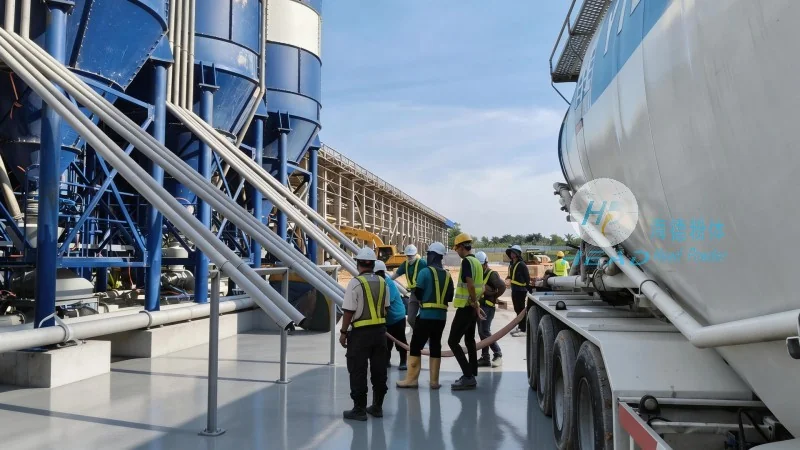
Introduction to Activated Carbon Material Handling Systems
Activated carbon, a highly porous carbon-based material, is widely used in industries such as water treatment, air purification, and chemical processing for its exceptional adsorption capabilities. The efficient movement of activated carbon from storage to processing units or from one processing stage to another is essential for optimizing production efficiency and minimizing operational downtime. A well-designed material handling system for activated carbon integrates various components to ensure the material is handled gently, preventing degradation of its surface area and adsorption properties. The expertise of Shandong HeadPowder Engineering Co., Ltd. in developing tailored solutions ensures that each system meets the specific needs of the client, whether in terms of capacity, material type, or operational environment.
Key Design Principles for Activated Carbon Material Handling
The design of an activated carbon material handling system is guided by several critical principles to ensure safety, efficiency, and product integrity. These principles include:
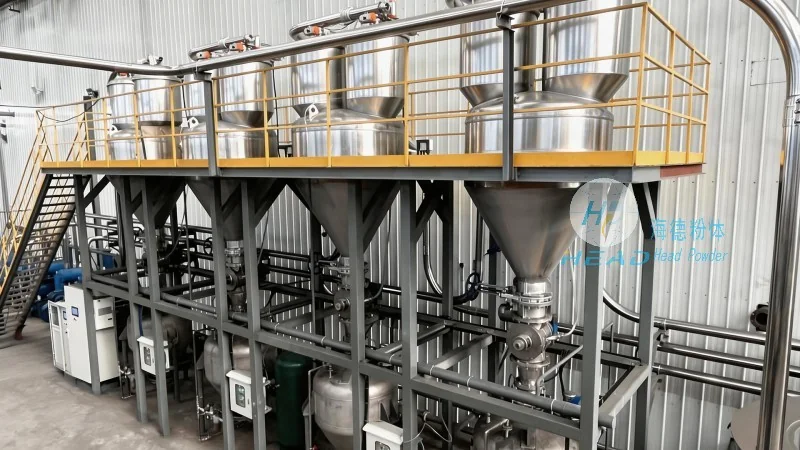
1. Gentle Handling to Preserve Surface Area: Activated carbon's effectiveness is directly related to its large internal surface area. Abrasive or high-impact handling can damage the porous structure, reducing its adsorption capacity. Therefore, systems use low-speed conveyors, flexible hoses, and soft-edged containers to minimize mechanical stress. The design philosophy of Shandong HeadPowder Engineering Co., Ltd. emphasizes the use of materials and components that are compatible with activated carbon, avoiding any substances that could react with or degrade the product.
2. Airtight and Dust-Free Operation: Activated carbon is a fine powder that can generate dust, which poses health risks and can affect downstream processes. The system must incorporate dust suppression measures, such as sealed hoppers, enclosed conveyors, and dust collection systems, to maintain a clean and safe working environment. The company's focus on environmental compliance and worker safety is reflected in the robust dust control solutions integrated into their systems.
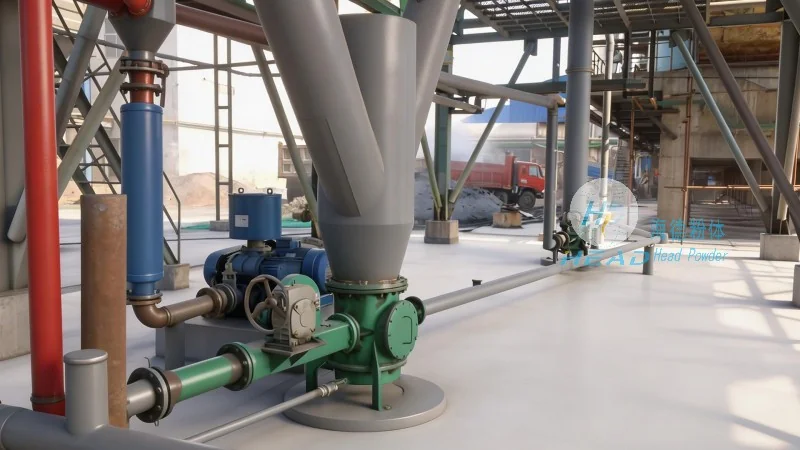
3. Prevention of Cross-Contamination: In applications where different types of activated carbon are used, cross-contamination must be avoided. The design includes separate storage and handling zones, dedicated equipment for each carbon type, and proper cleaning protocols to prevent mixing of materials. This is a key consideration for industries like pharmaceuticals and food processing, where product purity is paramount.
4. Energy Efficiency and Cost-Effectiveness: The system is designed to minimize energy consumption while maximizing throughput. This involves selecting appropriate conveyor speeds, using energy-efficient motors, and optimizing the layout to reduce material travel distances. Shandong HeadPowder Engineering Co., Ltd. employs advanced engineering techniques to ensure that their systems operate at optimal efficiency, reducing long-term operational costs for the client.
Components of an Activated Carbon Material Handling System
An activated carbon material handling system typically consists of several interconnected components that work together to transport the material. These components include:
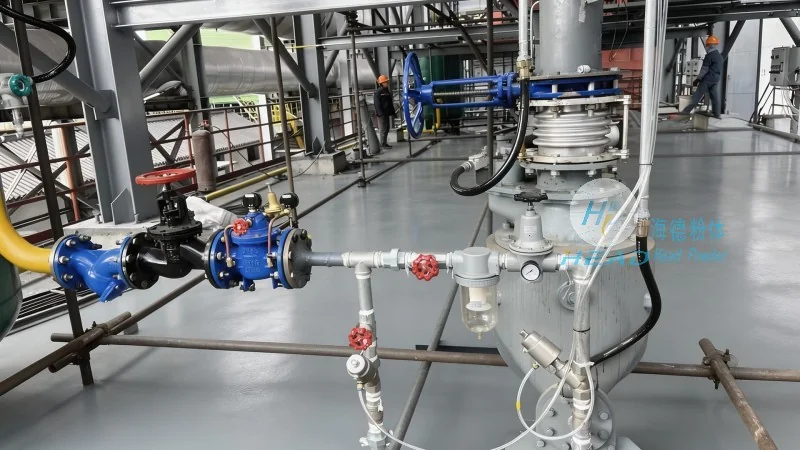
1. Storage Silos or Hoppers: These are large, airtight containers used to store bulk activated carbon. They are designed to prevent moisture ingress and dust leakage, ensuring the material remains in optimal condition. The silos may be equipped with level sensors to monitor inventory levels and trigger replenishment. The company's silos are constructed from high-quality materials that resist corrosion and maintain the integrity of the stored material.
2. Conveying Equipment: Conveyors are used to move activated carbon from the storage silos to processing units or other locations. Common types include belt conveyors, screw conveyors, and pneumatic conveying systems. Belt conveyors are suitable for dry, free-flowing materials and can handle large volumes with minimal maintenance. Screw conveyors are ideal for vertical or inclined transport and can handle sticky or cohesive materials. Pneumatic conveying systems use air pressure to transport the material through pipes, which is particularly useful for fine powders and in environments where dust control is critical. The selection of the appropriate conveyor type is based on the specific characteristics of the activated carbon and the operational requirements of the client.




