For industrial applications that involve the handling and transportation of epoxy powder, understanding the material handling system is crucial. This article will explore the concept of an epoxy powder material handling system and delve into its design principles, providing insights into how such systems are engineered to meet the specific demands of powder processing in various industries.
Introduction to Epoxy Powder Material Handling Systems
An epoxy powder material handling system is a specialized setup designed to manage the flow, storage, and transport of epoxy powder—a thermosetting powder commonly used in coating and manufacturing processes. These systems are integral to industries such as automotive, electronics, and construction, where epoxy powder is used for applications like protective coatings, adhesives, and structural components. The primary goal of such a system is to ensure efficient, safe, and reliable movement of the powder from storage to processing equipment, minimizing material loss, contamination, and operational downtime.
Key Components of an Epoxy Powder Material Handling System
The design of an epoxy powder material handling system typically involves several key components, each playing a critical role in the overall functionality. These components include:
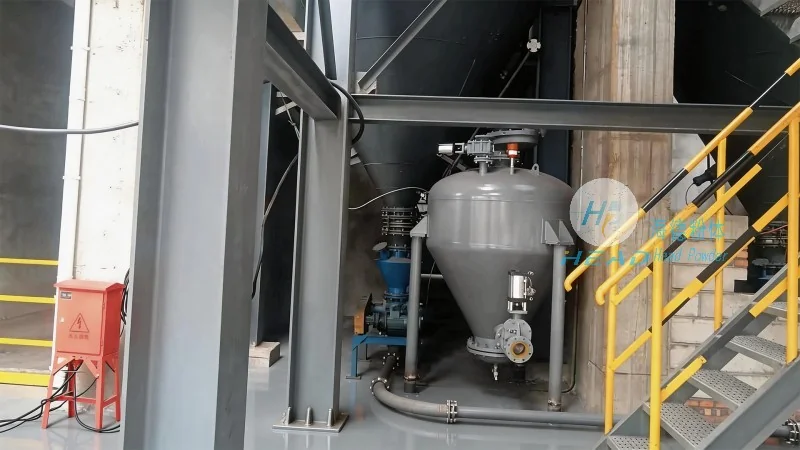
1. Storage Silos or Hoppers: These are large containers used to store the epoxy powder in bulk. They are often designed with a conical or hopper shape to facilitate the flow of powder under gravity. The silos are usually made of materials resistant to the chemical properties of epoxy powder, such as stainless steel or specialized plastics, to prevent degradation or contamination.
2. Pneumatic Conveying Systems: This is a common method for transporting epoxy powder over long distances or between different levels. Pneumatic conveying uses air pressure to move the powder through a network of pipes. There are two main types: dilute-phase and dense-phase systems. Dilute-phase systems are suitable for short distances and low to medium powder flow rates, while dense-phase systems are ideal for longer distances and higher flow rates, ensuring more efficient and reliable transport.
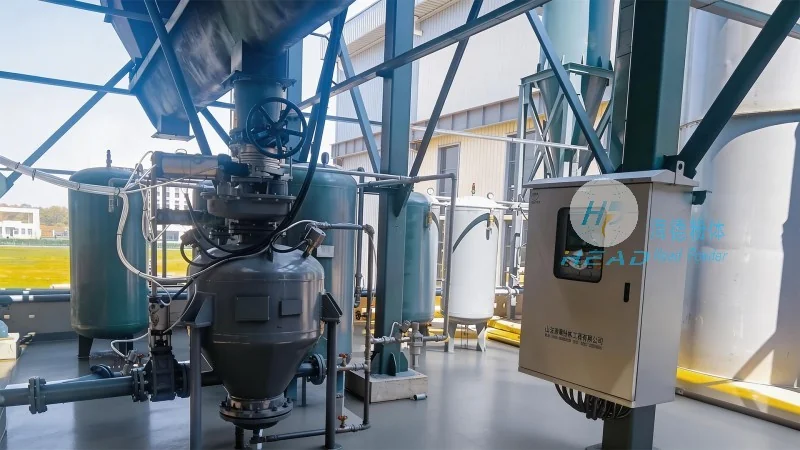
3. Feeding and Metering Equipment: To control the flow of epoxy powder into processing equipment, such as mixers or spray guns, feeding and metering devices are used. These can include rotary valves, screw feeders, or vibratory feeders. The equipment is designed to provide accurate and consistent powder flow, which is essential for maintaining product quality and process stability.
4. Control Systems: Modern epoxy powder material handling systems are often equipped with advanced control systems that monitor and regulate the operation of the components. These systems may include sensors for level measurement, pressure monitoring, and flow control, as well as programmable logic controllers (PLCs) that automate the entire process. The control systems ensure that the system operates within safe parameters and can respond to changes in demand or operational conditions.
Design Principles for Epoxy Powder Material Handling Systems
The design of an epoxy powder material handling system must adhere to several key principles to ensure efficiency, safety, and reliability. These principles are tailored to the unique characteristics of epoxy powder, which can be abrasive, hygroscopic, and prone to caking or bridging.
1. Abrasion Resistance: Epoxy powder can be abrasive, especially when it contains fillers or hard particles. The system components, particularly those in contact with the powder, must be made of materials that can withstand this abrasion over time. Stainless steel, high-grade alloys, and specialized coatings are commonly used to protect equipment from wear and tear.
2. Prevention of Contamination: Epoxy powder is often used in applications where high purity is required. The material handling system must be designed to prevent cross-contamination between different batches or types of powder. This involves using sealed systems, proper cleaning procedures, and dedicated equipment for each powder type.
3. Minimization of Dust and Airborne Particles: To maintain a safe working environment and comply with environmental regulations, the system must effectively contain dust and prevent it from escaping into the air. This is achieved through the use of sealed hoppers, proper ventilation systems, and dust collection equipment. The design also considers the use of explosion-proof components in areas where dust accumulation is a risk.
4. Efficient Flow and Prevention of Caking: Epoxy powder can cake or bridge in hoppers and pipes, leading to blockages and operational issues. The system design incorporates features such as hopper design with proper angles, use of vibratory or mechanical agitators, and air knives to break up clumps and ensure smooth flow. The material selection for hoppers and pipes also plays a role, as some materials are more resistant to caking than others.
Applications and Benefits of Epoxy Powder Material Handling Systems
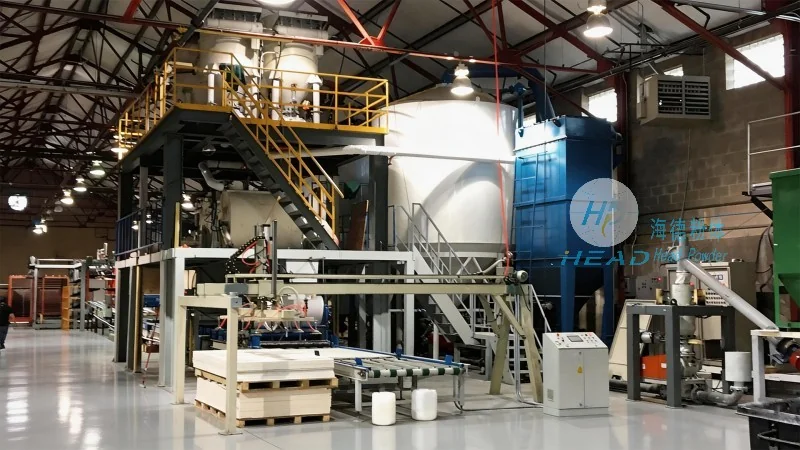
Epoxy powder material handling systems are widely used in various industries due to their ability to handle the unique properties of epoxy powder efficiently. Some common applications include:
1. Automotive Industry: In automotive manufacturing, epoxy powder is used for coating parts like car bodies, wheels, and interior components. The material handling system ensures that the powder is delivered to spray booths or mixers in a controlled manner, resulting in uniform and high-quality coatings.
2. Electronics Industry: Epoxy powder is used in the production of electronic components, such as circuit boards and connectors. The system helps in the precise application of the powder, ensuring that the components are protected and insulated effectively.
3. Construction and Infrastructure: Epoxy powder is used for protective coatings on bridges, tunnels, and other infrastructure. The material handling system facilitates the transport of the powder to the job site, enabling efficient application and long-lasting protection.
By adhering to the design principles outlined above, epoxy powder material handling systems provide significant benefits, including improved product quality, reduced operational costs, enhanced safety, and increased efficiency in powder processing operations.
Conclusion
An epoxy powder material handling system is a sophisticated and essential component in industries that rely on epoxy powder for their manufacturing processes. The design of such a system involves careful consideration of the powder's properties, the operational requirements, and safety regulations. By incorporating key components like storage silos, pneumatic conveying systems, feeding equipment, and control systems, and adhering to principles such as abrasion resistance, contamination prevention, and efficient flow, these systems ensure reliable and efficient handling of epoxy powder. The expertise of companies like Shandong HeadPowder Engineering Co., Ltd., based in China, plays a crucial role in the development and implementation of these systems, providing tailored solutions to meet the specific needs of various industries.




