An automatic material feeding and conveying system is a sophisticated industrial solution designed to handle the precise and efficient transfer of raw materials or components from one processing stage to another. This technology is widely used across various industries, including manufacturing, pharmaceuticals, and food processing, where consistency, speed, and safety are paramount. The system typically integrates sensors, control systems, and mechanical components to automate the entire feeding and conveying process, reducing human intervention and minimizing the risk of errors or accidents.
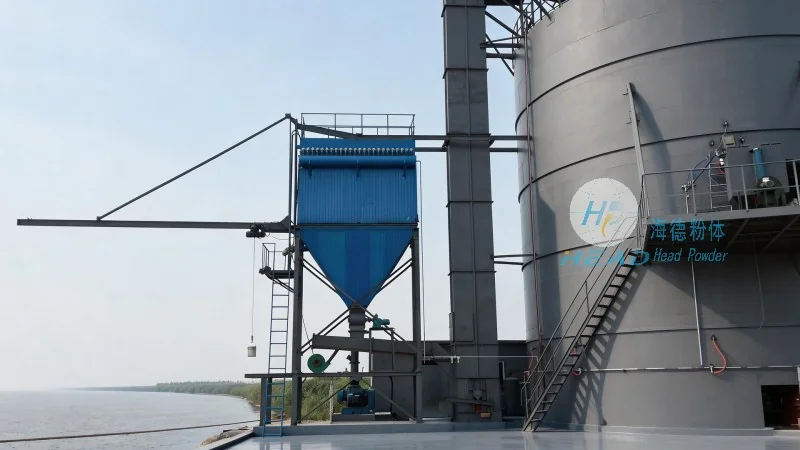
The Core Design Principles of an Automatic Material Feeding System
The design of an automatic material feeding system is built on several fundamental principles that ensure optimal performance and reliability. First, the system must accurately detect and identify individual items or batches of material. This is often achieved through the use of optical sensors, barcode readers, or RFID technology, which provide real-time data on the material's position and characteristics. Second, the system employs precise control mechanisms, such as servo motors or pneumatic actuators, to regulate the speed and direction of the material flow. These controls ensure that materials are transferred at the correct rate, preventing overloading or underloading of downstream equipment. Third, the system incorporates safety features, including emergency stop buttons, collision detection sensors, and interlocks, to protect both personnel and equipment from potential hazards. Additionally, the design prioritizes modularity and scalability, allowing the system to be easily expanded or reconfigured to accommodate changing production needs.
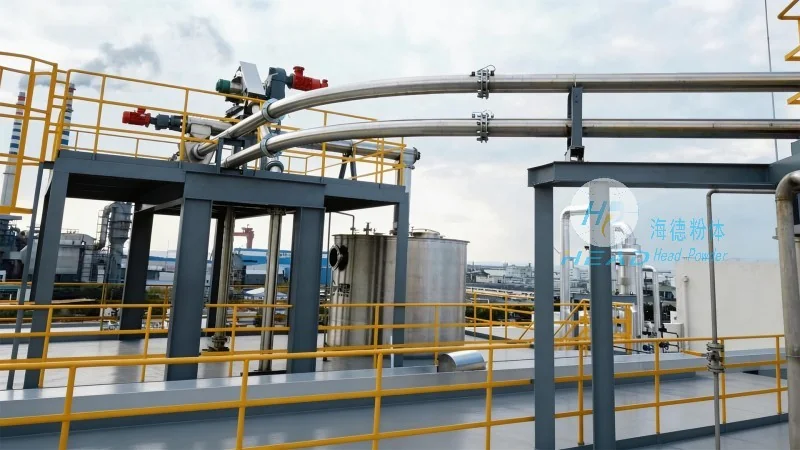
Key Components and Their Functions in the System
The automatic material feeding and conveying system consists of several critical components, each playing a vital role in the overall operation. The primary components include the feeding hopper or container, which holds the raw materials and provides a consistent supply to the system. The feeding mechanism, often a vibrating feeder or a rotary valve, ensures that materials are discharged at a controlled rate. The conveying system, which may include conveyor belts, chains, or pneumatic tubes, transports the materials to the next processing stage. The control panel, equipped with a programmable logic controller (PLC) or a human-machine interface (HMI), manages the entire operation by receiving input from sensors and sending commands to actuators. Finally, the system may include sorting or orienting mechanisms, such as air jets or mechanical sorters, to ensure that materials are correctly positioned before further processing.
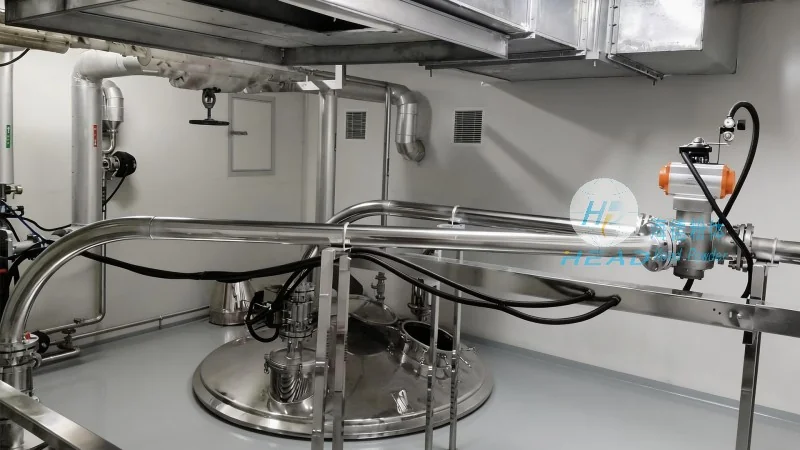
How the System Operates: A Step-by-Step Process
The operation of an automatic material feeding and conveying system follows a systematic sequence of steps to ensure smooth and efficient material handling. Initially, the raw materials are loaded into the feeding hopper. The system then activates the feeding mechanism, which releases the materials into the conveying path. As the materials move along the conveyor, sensors continuously monitor their position and count. The control system processes this data and adjusts the feeding rate as needed to maintain a steady flow. If any anomalies are detected, such as a blockage or an incorrect material type, the system triggers an alarm and stops the operation to prevent damage. Once the materials reach the end of the conveyor, they are transferred to the next processing unit, such as a machine or a storage bin. The entire process is automated, allowing for continuous operation with minimal supervision.
Benefits of Implementing an Automatic Material Feeding System
Adopting an automatic material feeding and conveying system offers numerous advantages for industrial operations. Firstly, it significantly enhances productivity by reducing the time required for material handling and increasing the throughput of the production line. The system's ability to operate continuously without breaks minimizes downtime and maximizes output. Secondly, it improves product quality by ensuring consistent and accurate material transfer, which reduces the risk of defects or inconsistencies in the final product. Thirdly, the automation reduces the need for manual labor, lowering labor costs and minimizing the risk of human error. Additionally, the system's safety features protect workers from hazardous conditions, such as moving parts or heavy loads. Finally, the modular design allows for easy integration with existing production lines and future expansion, providing long-term value and adaptability.
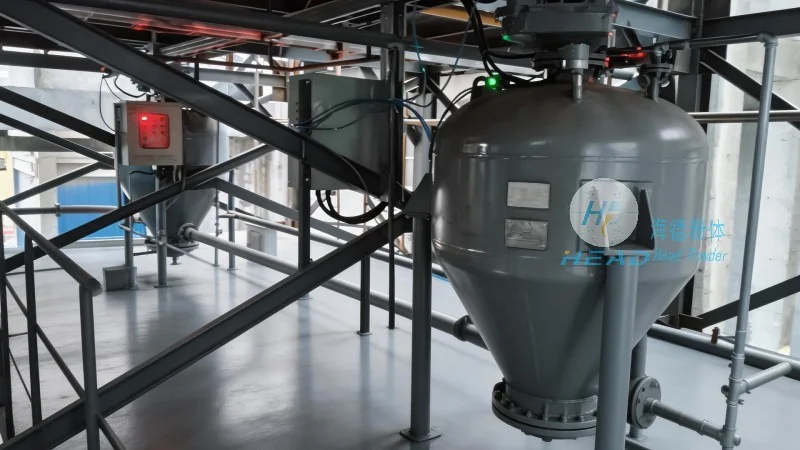
About Shandong HeadPowder Engineering Co., Ltd.
Shandong HeadPowder Engineering Co., Ltd., commonly known as HeadPowder, is a leading manufacturer specializing in the design, development, and installation of advanced material handling systems. With a strong commitment to innovation and quality, HeadPowder has established itself as a trusted partner in the industrial sector, providing customized solutions tailored to the unique needs of each client. The company's headquarters is located in Shandong, China, where it leverages its expertise and state-of-the-art facilities to deliver reliable and efficient material feeding and conveying systems. HeadPowder's team of experienced engineers and technicians works closely with clients to understand their operational requirements and develop solutions that optimize performance and reduce costs. By combining cutting-edge technology with practical engineering, HeadPowder ensures that its systems meet the highest standards of safety, efficiency, and durability.




