Understanding polyethylene granule material handling is crucial for industries that rely on efficient and reliable transport of these plastic materials. This process involves the movement of polyethylene granules from one location to another, often within manufacturing facilities or between different stages of production. The design principles behind such systems are centered on ensuring optimal performance, safety, and cost-effectiveness.
Key Components of Polyethylene Granule Handling Systems
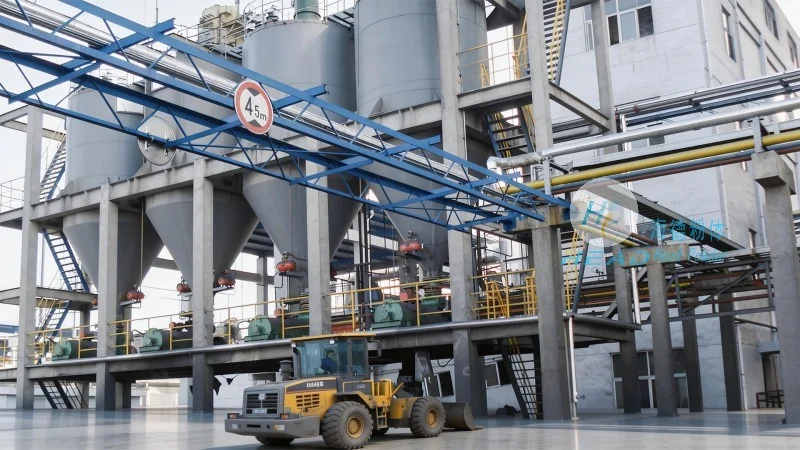
Polyethylene granule handling systems typically consist of several core components that work in tandem to facilitate smooth material transport. These components include feeders, conveyors, storage bins, and control systems. Each part plays a vital role in the overall operation, from initial material intake to final discharge. For instance, feeders are responsible for regulating the flow of granules, preventing overloading or underflow, which can impact the efficiency of the entire system. Conveyors, on the other hand, provide the primary means of transporting the granules over longer distances, utilizing various mechanisms such as screw conveyors, belt conveyors, or pneumatic systems depending on the specific requirements of the application.
Design Principles for Efficient Polyethylene Granule Transport
The design principles for polyethylene granule material handling prioritize several key factors to ensure optimal performance. First, the system must be designed to handle the specific characteristics of polyethylene granules, such as their size, density, and flowability. These properties influence the choice of equipment and the layout of the handling system. For example, if the granules are fine and have poor flowability, a hopper with a steep angle or an auger feeder may be necessary to prevent bridging or rat-holing. Second, the system should be designed for durability and low maintenance, as polyethylene granules can be abrasive and may cause wear on equipment components over time. Materials like stainless steel or corrosion-resistant alloys are often used for critical parts to extend the lifespan of the system. Third, energy efficiency is a critical design consideration, as the operation of conveyors and other machinery can consume significant amounts of power. Designers often incorporate energy-saving features, such as variable speed drives or optimized conveyor speeds, to reduce operational costs while maintaining performance.
Application of Polyethylene Granule Handling in Manufacturing
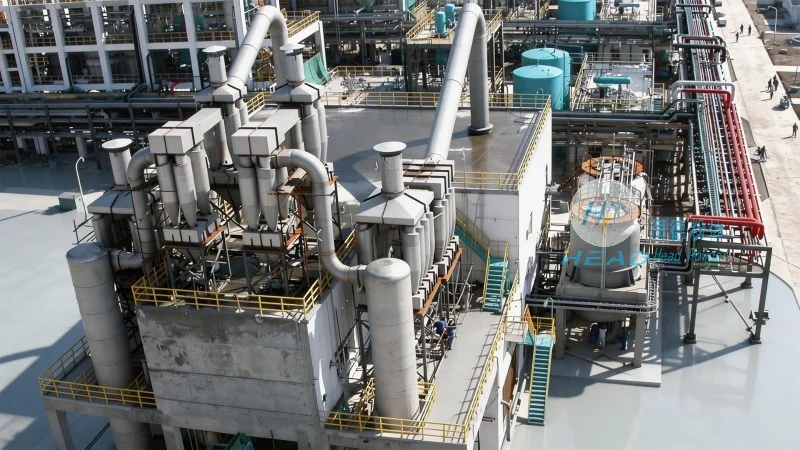
Polyethylene granule handling systems are widely used in various manufacturing processes, particularly in the plastics and polymer industries. These systems are essential for moving raw materials to processing equipment, such as extruders or injection molding machines. The efficiency of the handling system directly impacts the overall production throughput and quality of the final products. For instance, in a plastic extrusion line, a reliable granule handling system ensures a consistent feed rate, which is crucial for maintaining the uniformity of the extruded products. Additionally, the design of the handling system must consider the integration with other production equipment, ensuring seamless material flow and minimizing downtime. This integration often involves coordinating the speed of the conveyor with the processing rate of the equipment, using control systems to maintain a balanced operation.
Customization and Adaptability in Polyethylene Granule Handling Solutions
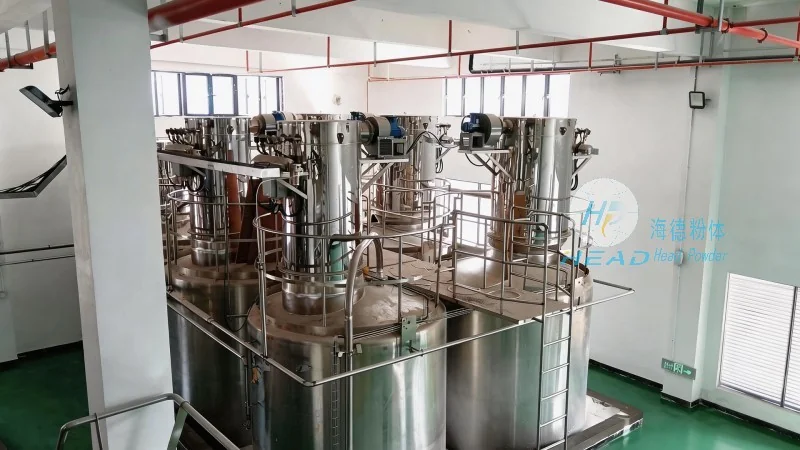
Given the diverse applications and material characteristics, polyethylene granule handling systems are often customized to meet specific customer needs. The design process typically involves a thorough analysis of the customer's requirements, including the volume of material to be handled, the distance of transport, and the environmental conditions of the facility. Engineers from companies like Shandong HeadPowder Engineering Co., Ltd. work closely with clients to develop tailored solutions that address their unique challenges. For example, a system for a small-scale operation may use a simple screw conveyor and a small storage bin, while a large-scale industrial facility might require a complex network of conveyors, storage silos, and automated control systems. The adaptability of these systems allows them to be scaled up or down as production needs change, providing flexibility for growing businesses.
Ensuring Safety and Compliance in Polyethylene Granule Handling
Safety is a paramount consideration in the design and operation of polyethylene granule handling systems. The systems must comply with relevant safety standards and regulations to protect workers and prevent accidents. This includes features such as emergency stop buttons, safety interlocks on equipment, and proper ventilation to manage dust and fumes. Additionally, the design must consider the potential hazards associated with polyethylene granules, such as the risk of dust explosions in certain environments. Proper dust control measures, such as using explosion-proof equipment or implementing dust collection systems, are essential to mitigate these risks. Companies like Shandong HeadPowder Engineering Co., Ltd. adhere to strict safety protocols and provide training to ensure that their systems are operated safely and in compliance with industry standards.




