Understanding corn granular material conveying is crucial for industries that rely on efficient handling of corn-based products. This process involves the movement of corn kernels or processed corn materials from one location to another, often as part of larger agricultural or food processing operations. The design principles behind such systems are tailored to ensure optimal performance, reliability, and safety in handling these specific materials.
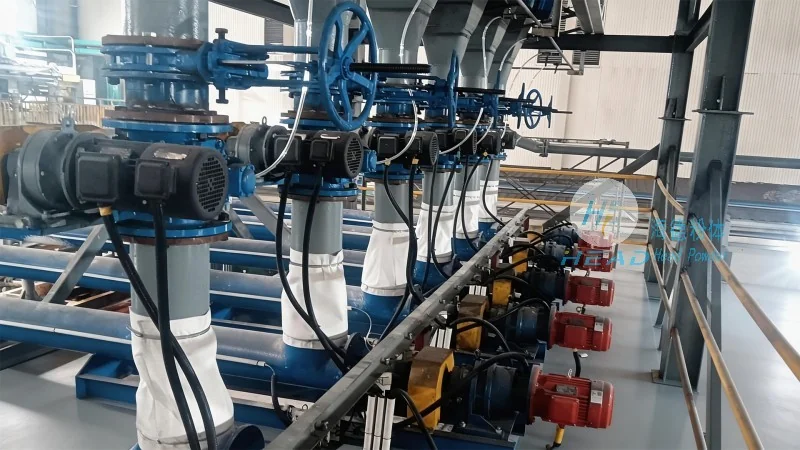
About HeadPowder: Your Partner in Material Handling Solutions
HeadPowder, a leading name in the material handling industry, specializes in providing innovative solutions for the conveyance of various granular materials, including corn. With a strong presence in Shandong, China, HeadPowder Engineering Co., Ltd. has built a reputation for delivering high-quality, reliable equipment that meets the demanding needs of modern agricultural and food processing facilities. The company's expertise lies in understanding the unique characteristics of corn and other similar materials, allowing them to design systems that maximize efficiency and minimize operational costs.
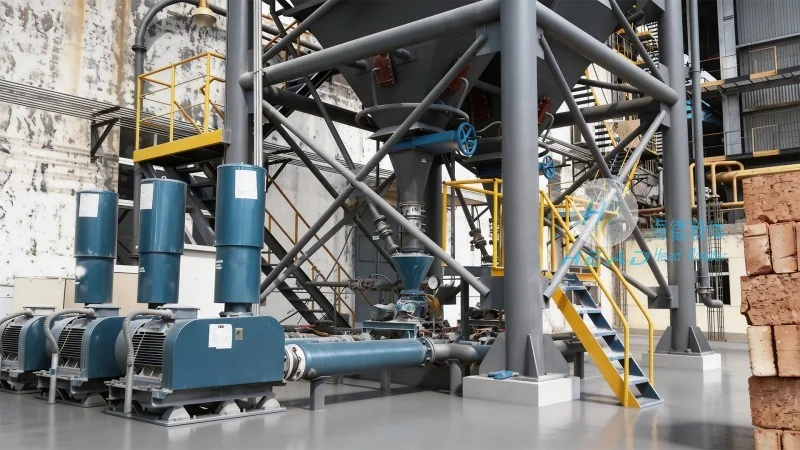
The Core Design Principles of Corn Granular Material Conveying Systems
The design of corn granular material conveying systems is guided by several key principles that ensure effective and safe operation. First, the system must be capable of handling the specific physical properties of corn kernels, such as their size, density, and moisture content. This often involves selecting appropriate conveyor types, like belt conveyors or screw conveyors, which are well-suited for moving granular materials without causing excessive wear or degradation. Second, the design considers the need for gentle handling to preserve the quality of the corn, which is critical in food processing applications. This may involve using smooth surfaces, appropriate incline angles, and controlled speeds to prevent breakage or damage to the kernels. Third, the system must be designed for durability and low maintenance, as it will be exposed to the abrasive nature of corn and other agricultural products. Materials like stainless steel or heavy-duty plastics are commonly used to withstand the wear and tear of continuous operation. Fourth, the integration of safety features is essential, including proper sealing to prevent dust emissions and protective guards to safeguard operators from moving parts. These principles collectively ensure that the conveying system operates efficiently, reliably, and in compliance with industry standards.
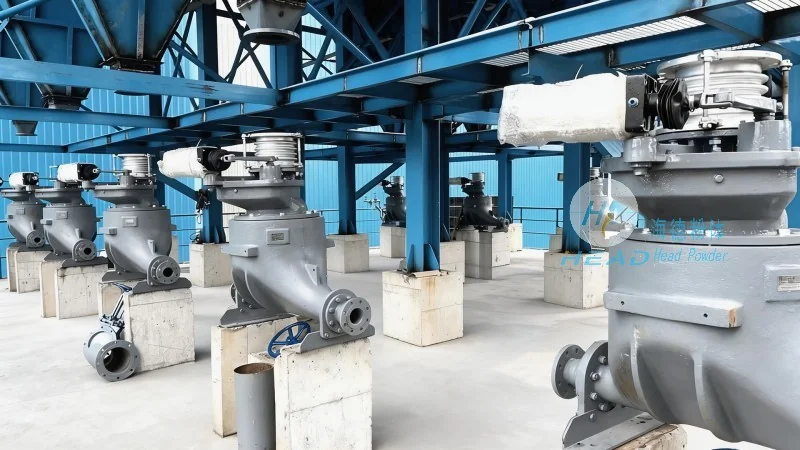
Key Components and Functional Aspects of Corn Conveying Systems
Corn granular material conveying systems typically consist of several key components that work together to achieve the desired material movement. The primary components include the feed hopper, which holds the corn and feeds it into the conveyor; the conveyor itself, which can be a belt conveyor, screw conveyor, or pneumatic conveyor, depending on the application; and the discharge mechanism, which delivers the corn to the next stage of processing. The feed hopper is designed to maintain a consistent flow of material, preventing blockages and ensuring smooth operation. The conveyor belt or screw is often equipped with special coatings or liners to reduce friction and wear from the corn kernels. In some cases, a pneumatic conveying system is used, which uses air pressure to move the corn through a pipeline. This method is particularly effective for long-distance or high-volume conveying, as it can handle large quantities of material with minimal maintenance. The discharge mechanism may include a chute or a rotary valve, which controls the flow of corn from the conveyor to the processing equipment. Each component is carefully selected and designed to work in harmony, ensuring that the entire system operates efficiently and without interruption.
Applications and Advantages of Corn Granular Material Conveying
Corn granular material conveying systems are widely used in various industries, particularly in agriculture and food processing. In agricultural settings, these systems are used to transport corn from storage silos to processing facilities or to transport it to fields for planting. In food processing, they are used to move corn kernels from cleaning and drying stages to milling or grinding operations. The advantages of using such systems include increased efficiency in material handling, reduced labor costs, and improved product quality. By automating the conveying process, industries can achieve higher throughput and lower operational costs. Additionally, the gentle handling of corn ensures that the kernels remain intact, which is essential for maintaining the quality of the final product. The reliability of these systems also reduces downtime and maintenance costs, making them a cost-effective solution for long-term use. Overall, corn granular material conveying systems play a vital role in modern agricultural and food processing operations, enabling efficient and safe handling of corn-based materials.
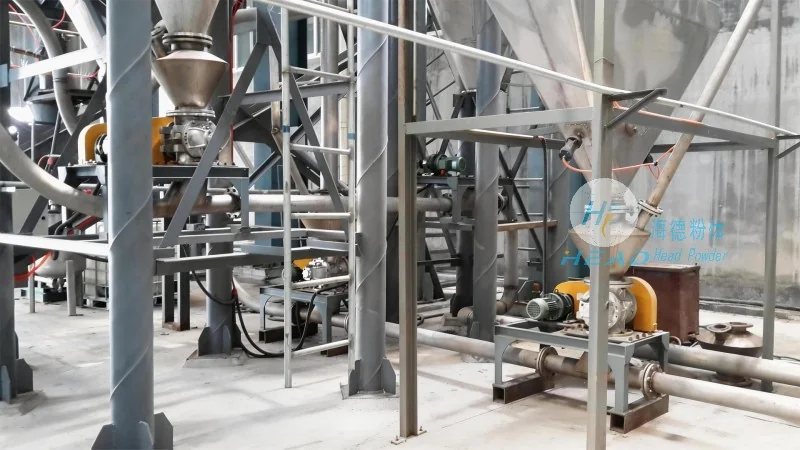
Conclusion: The Importance of Well-Designed Conveying Systems
In conclusion, the design and implementation of corn granular material conveying systems are critical to the success of industries that rely on corn-based products. The principles of efficient material handling, gentle handling of the product, durability, and safety are all essential in creating a system that meets the demands of modern operations. Companies like HeadPowder Engineering Co., Ltd. play a vital role in providing these solutions, leveraging their expertise to design systems that are tailored to the specific needs of their clients. By investing in well-designed conveying systems, industries can improve their operational efficiency, reduce costs, and ensure the quality of their products. As the demand for corn-based products continues to grow, the importance of reliable and efficient conveying systems will only increase, making them an essential component of modern agricultural and food processing operations.




