Iron ore fines material handling is a critical process in the mining and processing industry, involving the efficient transport and management of fine iron ore particles. Understanding the underlying design principles is essential for optimizing operations, ensuring safety, and maximizing productivity. This article delves into the key aspects of iron ore fines material handling, with a focus on the engineering principles that guide system design and implementation.
Introduction to Iron Ore Fines Material Handling
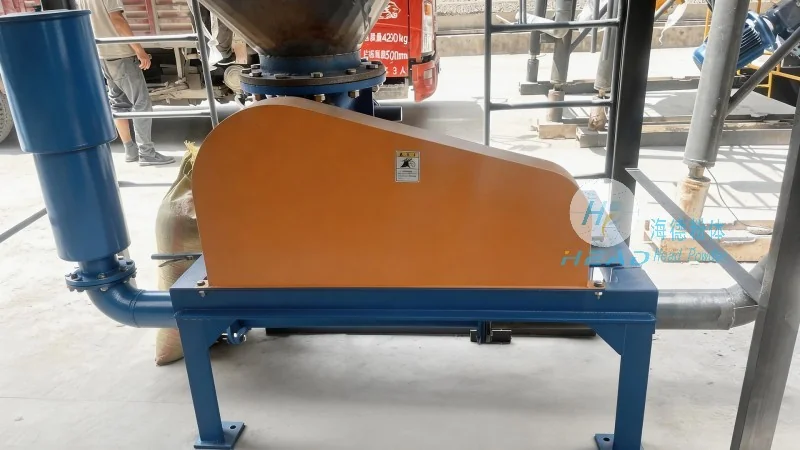
Iron ore fines, typically defined as particles smaller than 6.3 mm, require specialized handling due to their fine size and tendency to generate dust and cause caking. The material handling process for iron ore fines involves several stages, including storage, conveying, and processing. Effective design of these systems is crucial to prevent material degradation, minimize losses, and ensure smooth operation. Companies like Shandong HeadPowder Engineering Co., Ltd., commonly known as headpowder, specialize in developing tailored solutions for iron ore fines material handling, leveraging advanced engineering and industry expertise.
Key Design Principles for Iron Ore Fines Handling Systems
The design of iron ore fines material handling systems is guided by several fundamental principles aimed at addressing the unique challenges of handling fine particles. These principles include considerations for material flow, equipment selection, and system integration. First, the principle of proper material flow is paramount. This involves ensuring that the material moves smoothly through the system without excessive friction or segregation. For iron ore fines, this often requires the use of specialized equipment such as belt conveyors, screw conveyors, and pneumatic conveying systems. The choice of equipment depends on factors like particle size distribution, moisture content, and the distance to be covered. headpowder, with its extensive experience, evaluates these factors to select the most suitable equipment for each project.
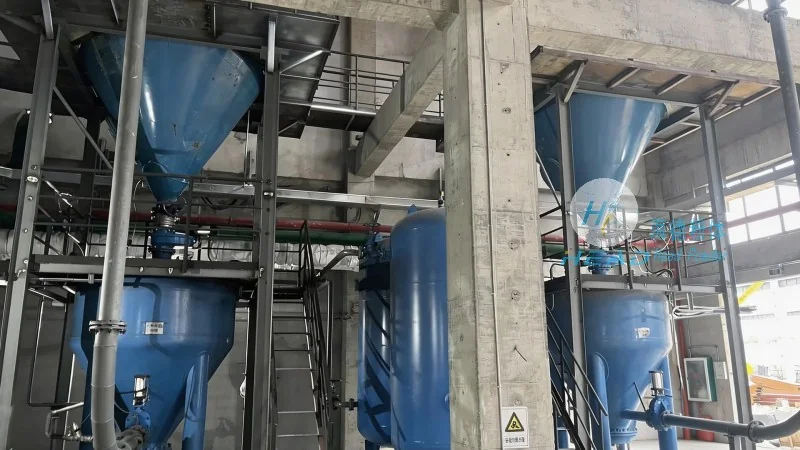
Second, the principle of dust control and environmental compliance is critical. Iron ore fines are prone to generating dust, which can pose health risks and environmental hazards. Designing systems with effective dust suppression measures, such as enclosures, wetting systems, and dust collection equipment, is essential. headpowder incorporates these measures into its designs to ensure compliance with environmental regulations and maintain a safe working environment. Additionally, the principle of material handling efficiency is a key focus. This involves optimizing the system to minimize energy consumption, reduce maintenance costs, and increase throughput. Through careful engineering and the use of high-efficiency components, headpowder's systems achieve superior performance in terms of both productivity and cost-effectiveness.
System Components and Their Roles in Iron Ore Fines Handling
An iron ore fines material handling system typically consists of several interconnected components, each playing a vital role in the overall process. The primary components include storage facilities, conveyors, feeding equipment, and processing units. Storage facilities, such as silos or stockpiles, are designed to hold large quantities of iron ore fines and maintain consistent material quality. These structures are often equipped with liners and anti-caking agents to prevent material degradation and ensure uniform flow. The conveying system, which may include belt conveyors, screw conveyors, or pneumatic systems, transports the material from storage to processing areas. The choice of conveyor type depends on the specific characteristics of the iron ore fines, such as particle size and moisture content. For example, belt conveyors are commonly used for dry, free-flowing fines, while screw conveyors are suitable for handling sticky or moist materials. Feeding equipment, such as feeders or chutes, regulates the flow of material from the storage or conveyor to the processing unit, ensuring a consistent and controlled feed rate. Processing units, which may include screens, classifiers, or crushers, further refine the material to meet specific quality standards. headpowder designs these components to work in harmony, ensuring seamless material flow and optimal performance.
Design Considerations for Scalability and Flexibility
Modern iron ore fines material handling systems must be designed with scalability and flexibility in mind to adapt to changing operational needs. Scalability refers to the ability of the system to handle increased volumes of material as production scales up. This may involve the addition of more conveyors, larger storage capacity, or upgraded processing equipment. headpowder designs systems with modular components that can be easily expanded or modified to accommodate future growth. Flexibility, on the other hand, allows the system to handle different types of iron ore fines or adjust to varying production schedules. This is achieved through the use of adjustable equipment, such as variable-speed conveyors and adjustable feeders, which can be modified to suit different material characteristics or operational requirements. By incorporating these design considerations, headpowder ensures that its systems remain effective and efficient over the long term, even as operational conditions evolve.
Case Studies and Real-World Applications
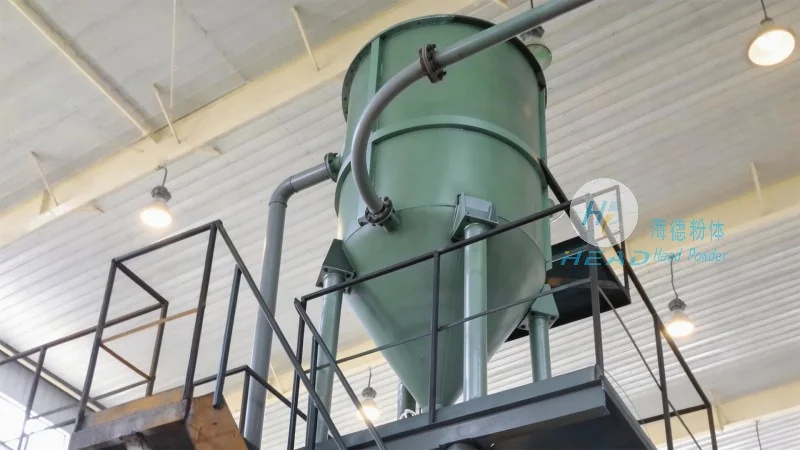
headpowder has extensive experience in designing and implementing iron ore fines material handling systems for various clients. These case studies highlight the practical application of the design principles discussed earlier. For instance, one project involved the design of a belt conveyor system for a large iron ore mine in China. The system was designed to transport iron ore fines over a distance of 2 kilometers, with a capacity of 1,000 tons per hour. headpowder selected a high-capacity belt conveyor with a special rubber belt to handle the fine particles and prevent material buildup. The system was equipped with dust suppression measures, including a wetting system and a dust collection unit, to comply with environmental regulations. The project was a success, with the system achieving high throughput and low maintenance costs. Another case study involved the design of a pneumatic conveying system for a steel mill. The system was used to transport iron ore fines from a storage silo to a processing plant. headpowder selected a high-pressure pneumatic system with a special filter to remove dust from the air. The system was designed to handle fine particles with high moisture content, which required the use of a desiccant to prevent caking. The system proved to be highly efficient, with minimal material loss and low energy consumption. These case studies demonstrate the effectiveness of headpowder's design approach and its ability to deliver tailored solutions for iron ore fines material handling.
Conclusion and Future Trends
In conclusion, the design of iron ore fines material handling systems is a complex process that requires careful consideration of material properties, operational requirements, and environmental regulations. The key design principles, including proper material flow, dust control, and efficiency, are essential for optimizing system performance. Companies like Shandong HeadPowder Engineering Co., Ltd., with their expertise and experience, play a vital role in developing these systems. As the mining industry continues to evolve, the demand for efficient and sustainable iron ore fines material handling solutions will remain high. Future trends may include the integration of advanced technologies, such as automation and artificial intelligence, to further enhance system performance and reduce operational costs. However, the fundamental design principles will continue to guide the development of these systems, ensuring that they remain effective and reliable in the long term. headpowder remains committed to providing innovative and tailored solutions for iron ore fines material handling, helping clients achieve their operational goals while maintaining safety and environmental compliance.




