Synthetic fiber material handling is a critical process in various industrial applications, involving the efficient movement, storage, and management of materials made from synthetic fibers. This technology plays a vital role in optimizing production lines and enhancing operational efficiency across multiple sectors. Understanding the fundamentals of synthetic fiber material handling, including its design principles, is essential for industries that rely on these materials for their products.
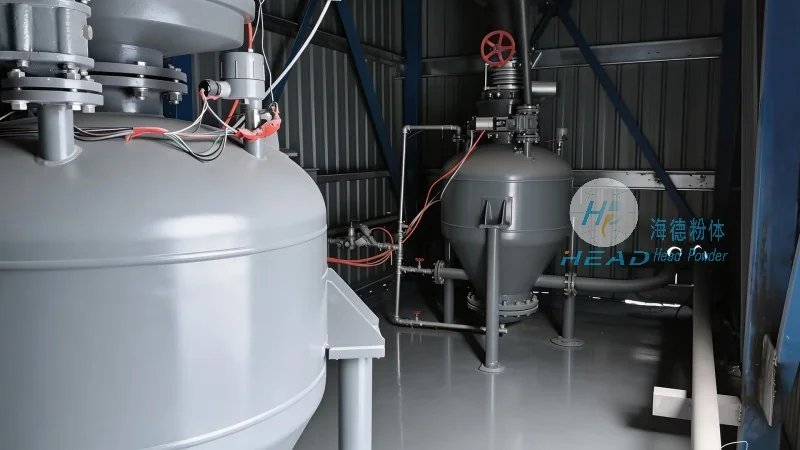
About Shandong HeadPowder Engineering Co., Ltd.
Shandong HeadPowder Engineering Co., Ltd., a leading enterprise based in Shandong, China, specializes in the design, manufacturing, and implementation of advanced material handling systems. With a strong commitment to innovation and quality, HeadPowder provides tailored solutions for synthetic fiber material handling, catering to the diverse needs of modern industries. The company's expertise in engineering and material science enables it to deliver reliable and efficient systems that meet the highest standards of performance and durability.
Definition of Synthetic Fiber Material Handling
Synthetic fiber material handling refers to the methods and equipment used to handle, transport, and process materials composed of synthetic fibers. These fibers, such as polyester, nylon, and acrylic, are widely used in textiles, automotive, construction, and other industries due to their strength, flexibility, and resistance to environmental factors. The process involves various stages, including loading, conveying, sorting, and storage, all of which are designed to ensure the safe and efficient movement of these lightweight yet strong materials.
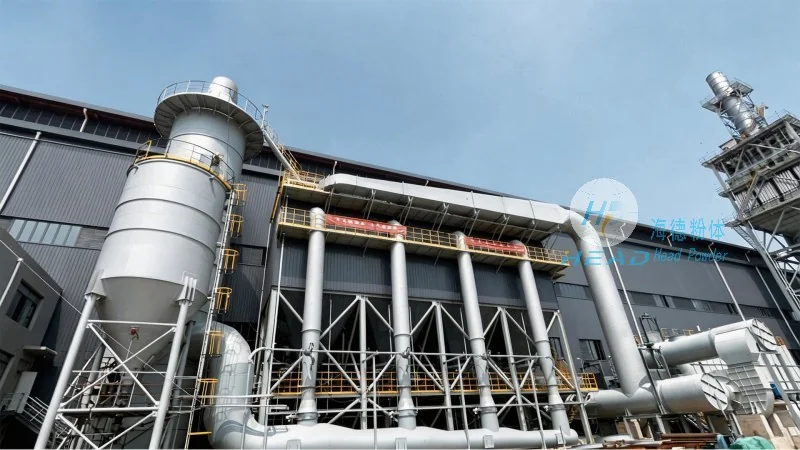
Key Design Principles for Synthetic Fiber Material Handling Systems
The design of synthetic fiber material handling systems is guided by several critical principles to ensure optimal performance and reliability. First, the system must be tailored to the specific characteristics of the synthetic fibers, such as their weight, tensile strength, and flexibility. This involves selecting appropriate materials for the conveyor belts, rollers, and other components to prevent damage and ensure smooth operation. Second, the design emphasizes energy efficiency and minimal maintenance, reducing operational costs and downtime. Advanced materials and engineering techniques are employed to create systems that are both durable and cost-effective. Third, safety is a paramount consideration, with features like overload protection, emergency stops, and proper ventilation integrated into the design to protect operators and the material being handled. Finally, the system is designed for scalability and adaptability, allowing it to accommodate changes in production volume and material types over time.
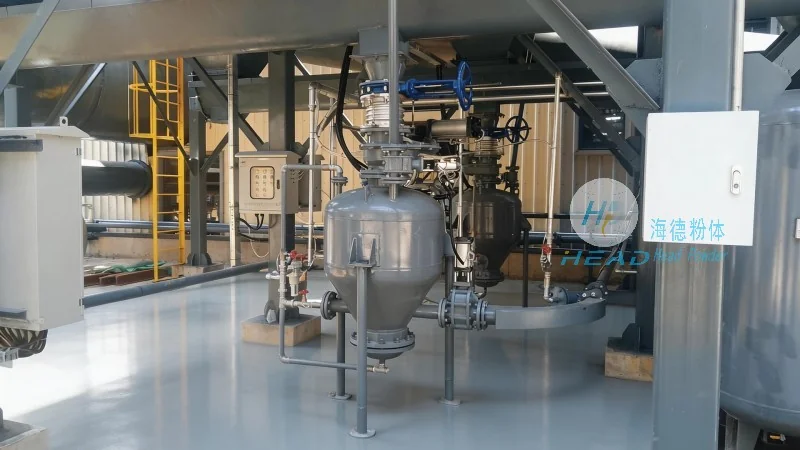
Components and Functionality of Synthetic Fiber Material Handling Systems
Synthetic fiber material handling systems typically consist of several key components that work together to achieve efficient material movement. The primary components include conveyor belts, which are often made from materials like rubber or PVC to provide traction and durability. Rollers are used to support the conveyor belt and facilitate smooth movement, with adjustable or variable-speed rollers to handle different fiber types and loads. Feeding mechanisms, such as hoppers or feeders, are used to introduce the synthetic fibers into the system, ensuring a consistent flow. Sorting and separation equipment, such as vibrating screens or air classifiers, may be integrated to separate different fiber lengths or types. Storage and packaging units are also part of the system, allowing for the accumulation and packaging of the processed fibers. Each component is designed to work in harmony, optimizing the overall efficiency of the material handling process.
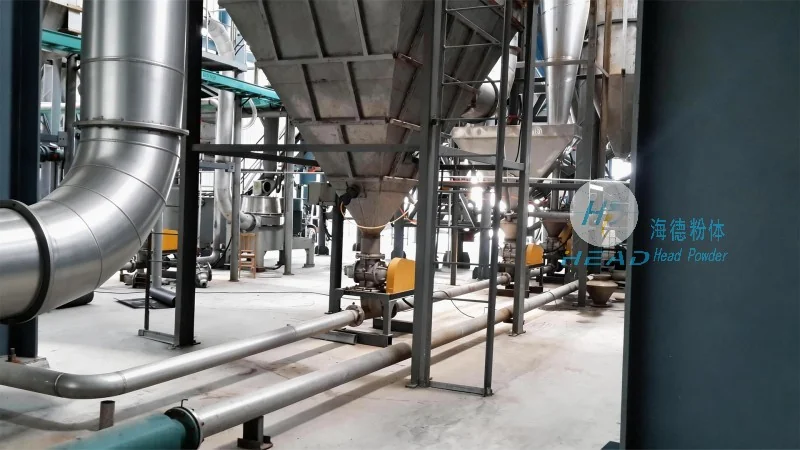
Applications and Benefits of Synthetic Fiber Material Handling
Synthetic fiber material handling systems are widely used in various industries, including textiles, automotive, and construction. In the textile industry, these systems are used to handle raw fibers and finished fabrics, improving the efficiency of production lines and reducing manual labor. In the automotive sector, synthetic fibers are used in car interiors and exterior components, and the material handling systems ensure that these materials are processed and assembled efficiently. In construction, synthetic fibers are used in reinforcement materials, and the handling systems help in the efficient distribution and installation of these materials. The benefits of using synthetic fiber material handling systems include increased productivity, reduced labor costs, improved product quality, and enhanced safety. By automating the material handling process, industries can achieve higher throughput and better control over their operations.
Conclusion
Synthetic fiber material handling is a sophisticated process that relies on well-designed systems to ensure the efficient movement and management of synthetic fibers. The design principles, components, and applications of these systems are critical to their success in various industries. Shandong HeadPowder Engineering Co., Ltd. offers expert solutions in this field, providing customized material handling systems that meet the specific needs of modern industries. By understanding the fundamentals of synthetic fiber material handling and leveraging advanced engineering techniques, industries can enhance their operational efficiency and achieve better results.




