When it comes to transporting bulk fertilizers efficiently and safely, the choice between positive pressure and negative pressure pneumatic conveying systems is a critical decision for many industries. Both methods have their unique advantages and are suitable for different operational requirements. Understanding the distinctions between these two approaches is essential for selecting the right system for your specific needs. This article aims to provide a comprehensive overview of positive pressure versus negative pressure conveying, helping you make an informed decision.
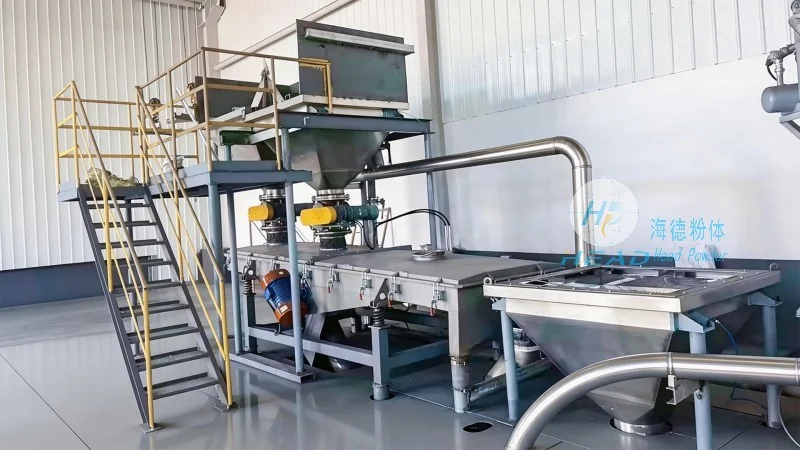
Understanding Pneumatic Conveying Systems
Pneumatic conveying is a method of transporting bulk materials, such as fertilizers, through a pipeline using air or gas. It offers several benefits over traditional mechanical conveying, including reduced dust generation, lower maintenance costs, and the ability to handle materials that are difficult to move by other means. The two primary types of pneumatic conveying systems are positive pressure and negative pressure, each with distinct characteristics and applications.
Positive Pressure Pneumatic Conveying
Positive pressure systems operate by blowing air or gas into the conveying line, creating a pressure higher than the ambient air pressure. This pressure forces the material to move through the pipeline. The material is typically fed into the system at the inlet, and the air is introduced at a higher pressure point, often at the discharge end or along the pipeline. This method is particularly effective for transporting materials over long distances or to multiple destinations, as the pressure can be maintained throughout the system.
One of the key advantages of positive pressure conveying is its ability to handle abrasive or corrosive materials without significant wear on the system components. The high pressure also helps in maintaining the material's integrity, preventing segregation or degradation during transport. However, positive pressure systems may require more robust equipment and higher energy consumption due to the need to maintain elevated pressure levels. Additionally, they may generate more noise and require proper ventilation to manage the air emissions.
Negative Pressure Pneumatic Conveying
Negative pressure systems, also known as vacuum conveying, operate by creating a vacuum in the conveying line, which draws the material from the source into the system. The material is typically fed into the system at the inlet, and the air is drawn out at the discharge end, creating a lower pressure than the ambient air. This method is often used for short to medium distance transport, especially when the material needs to be collected from multiple points or when the source is at a higher elevation than the destination.
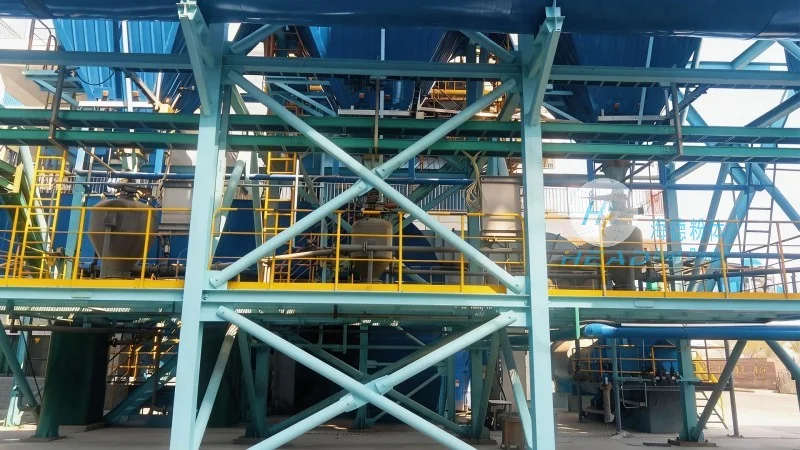
A major advantage of negative pressure conveying is its lower energy consumption compared to positive pressure systems, as it primarily relies on the vacuum created by the system. It is also less noisy and can be more flexible in terms of layout, as the vacuum can be maintained over shorter distances without significant pressure drop. However, negative pressure systems may have limitations in handling highly abrasive or sticky materials, as the vacuum can sometimes cause material to stick to the pipeline walls or cause blockages. They also require careful maintenance to prevent dust leakage and ensure the vacuum pump operates efficiently.
Distinguishing Between the Two Systems
Choosing between positive and negative pressure pneumatic conveying depends on several factors, including the material characteristics, distance of transport, number of destinations, and operational environment. Here are some key considerations to help you decide:
Material Properties: If the fertilizer is abrasive or has a tendency to degrade under pressure, positive pressure conveying may be more suitable due to its ability to maintain material integrity. For non-abrasive materials that are less sensitive to pressure, negative pressure conveying can be an efficient option.
Transport Distance: For long-distance transport (typically over 100 meters), positive pressure systems are often preferred as they can maintain pressure more effectively over extended lengths. For shorter distances (up to 50-100 meters), negative pressure systems may suffice and offer lower energy costs.
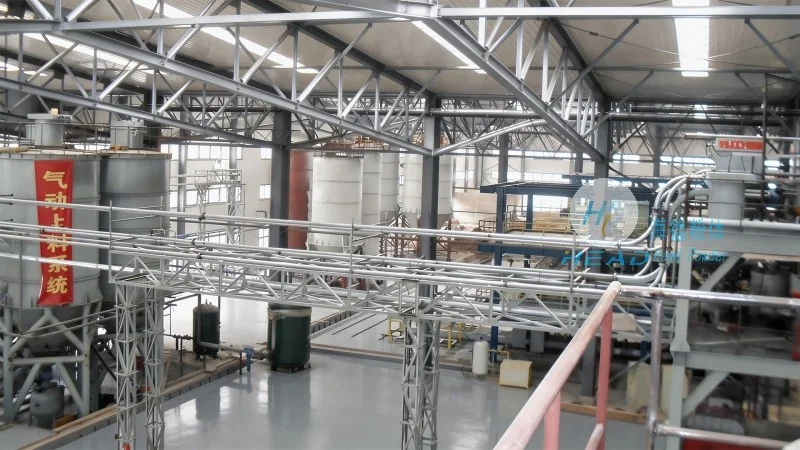
Number of Destinations: If the fertilizer needs to be delivered to multiple points from a single source, positive pressure systems with branching lines can be more efficient. Negative pressure systems are better suited for single-point collection or when the material is being transported from a lower to a higher elevation.
Energy Consumption and Cost: Negative pressure systems generally consume less energy, making them more cost-effective for shorter distances. Positive pressure systems, while more energy-intensive, may be justified for long-distance or high-volume applications where the benefits of consistent material flow outweigh the higher operational costs.
Conclusion
Both positive pressure and negative pressure pneumatic conveying systems have their place in the fertilizer industry, and the choice between them should be based on a thorough analysis of the specific requirements of the operation. By understanding the characteristics and limitations of each system, you can select the most appropriate method to ensure efficient, safe, and cost-effective fertilizer transport. Whether you opt for positive or negative pressure, the key is to choose a system that aligns with your operational goals and material handling needs.
Shandong HeadPowder Engineering Co., Ltd., a leading provider in the field, offers comprehensive solutions for both positive and negative pressure pneumatic conveying systems. With years of experience and expertise, HeadPowder specializes in designing and manufacturing customized conveying systems tailored to the unique demands of fertilizer handling. Their commitment to quality and innovation ensures that clients receive reliable and efficient equipment that meets industry standards. Based in Shandong, China, HeadPowder serves a wide range of clients globally, helping them optimize their material transport processes and enhance overall operational efficiency.




