When it comes to the efficient and reliable transportation of gypsum powder, a well-designed pneumatic conveying system is essential. As a leading engineering firm in the field, Shandong HeadPowder Engineering Co., Ltd. specializes in creating tailored solutions that address the unique challenges of handling this material. This article outlines key design considerations for gypsum powder pneumatic conveying systems, ensuring optimal performance, safety, and longevity of the equipment.
Understanding Gypsum Powder Characteristics
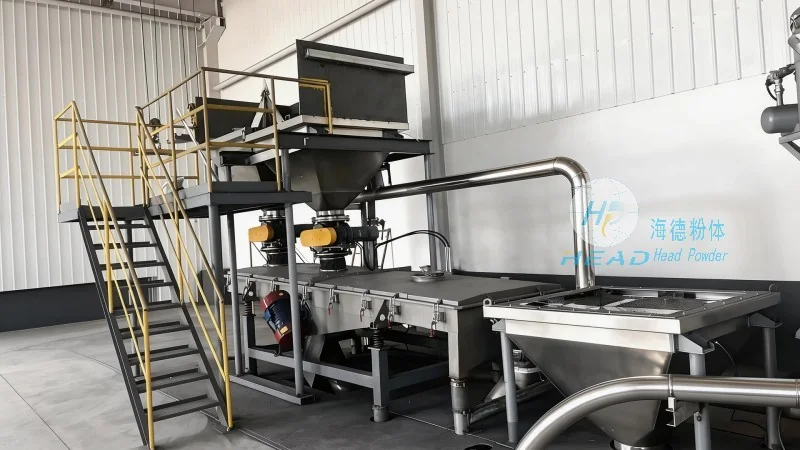
Before delving into system design, it is crucial to understand the physical and chemical properties of gypsum powder. Gypsum, also known as calcium sulfate dihydrate, is commonly used in construction, agriculture, and industrial applications. Its particle size, moisture content, and flowability can significantly impact the selection of a pneumatic conveying system. For instance, fine gypsum powders may require higher air velocities to prevent clogging, while coarser particles might benefit from lower velocities to reduce wear on components. Shandong HeadPowder Engineering Co., Ltd. conducts thorough material analysis to determine the optimal conveying parameters for each project.
System Type Selection: Positive Pressure vs. Negative Pressure
The choice between positive pressure and negative pressure systems is a critical decision in pneumatic conveying design. Positive pressure systems, where air is blown into the system to move material, are often preferred for long-distance or high-capacity applications. They are effective for transporting gypsum powder over distances of several hundred meters and can handle larger quantities of material. Negative pressure systems, on the other hand, draw material into the system using suction, which is suitable for shorter distances or when the material needs to be collected from multiple points. Both systems have their advantages, and the decision depends on factors such as the layout of the facility, the distance between the source and destination, and the required material flow rate. Shandong HeadPowder Engineering Co., Ltd. evaluates these factors to recommend the most suitable system type for each client.
Pipeline Design and Layout
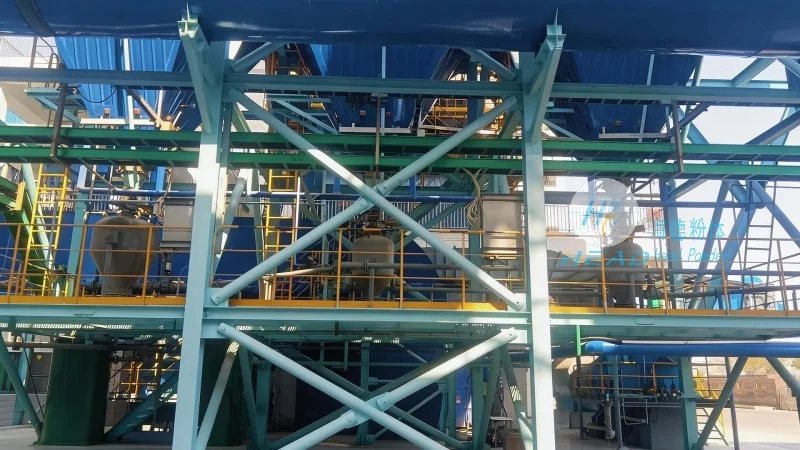
The design of the pipeline network is a foundational element of any pneumatic conveying system. The layout must consider the path from the source (e.g., storage silos or hoppers) to the destination (e.g., processing units or packaging stations). Key considerations include minimizing bends and changes in direction, as excessive bends can cause pressure drops and increase the risk of material buildup. The diameter of the pipeline is also critical; it must be large enough to accommodate the material flow without causing excessive air velocity or pressure loss. Additionally, the use of appropriate fittings, such as elbows, tees, and reducers, is essential to maintain system efficiency. Shandong HeadPowder Engineering Co., Ltd. employs advanced computational fluid dynamics (CFD) tools to model pipeline layouts and optimize the system for minimal energy consumption and maximum reliability.
Equipment Selection: Compressors and Filters
The selection of the right equipment is vital to the success of a gypsum powder pneumatic conveying system. Compressors are the heart of the system, providing the necessary air pressure to move the material. Positive pressure systems typically use rotary lobe or centrifugal compressors, while negative pressure systems may use vacuum pumps. The choice of compressor depends on the system type, material characteristics, and required flow rate. Filters are equally important, as they prevent gypsum powder from entering the compressor and causing damage. High-efficiency particulate air (HEPA) filters are commonly used to ensure clean air and protect the equipment. Shandong HeadPowder Engineering Co., Ltd. works with clients to select the most appropriate compressors and filters based on their specific needs, ensuring long-term performance and reduced maintenance costs.
Material Handling and Safety Measures
Ensuring the safe handling of gypsum powder is a top priority in system design. Gypsum is generally non-toxic, but it can cause respiratory issues if inhaled in large quantities. Therefore, proper ventilation and dust control measures are essential. The system should include dust collection and filtration systems to prevent airborne particles from escaping into the environment. Additionally, the design must incorporate safety features such as pressure relief valves, emergency shut-off valves, and interlocks to prevent accidents. Shandong HeadPowder Engineering Co., Ltd. adheres to all relevant safety standards and regulations, ensuring that their systems are not only efficient but also safe for operators and the environment.
Installation and Maintenance Considerations
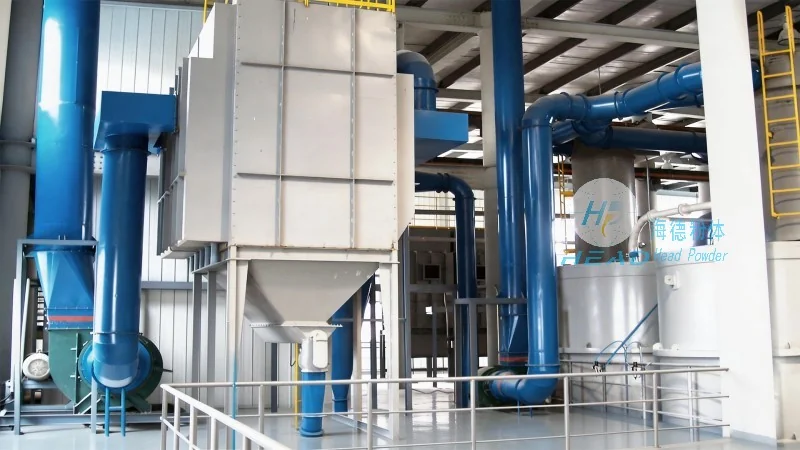
The successful implementation of a gypsum powder pneumatic conveying system requires careful installation and regular maintenance. Proper installation involves ensuring that all components are properly aligned, connected, and secured. This includes checking for leaks in the pipeline and compressor seals, as even small leaks can lead to significant energy losses and material loss. Regular maintenance is also crucial to keep the system running smoothly. This includes cleaning filters, inspecting equipment for wear and tear, and performing routine checks on the compressor and other components. Shandong HeadPowder Engineering Co., Ltd. provides comprehensive installation and maintenance services, helping clients to maximize the lifespan of their systems and minimize downtime.
Conclusion
In conclusion, designing an effective gypsum powder pneumatic conveying system requires a thorough understanding of the material properties, system type, pipeline layout, and equipment selection. Shandong HeadPowder Engineering Co., Ltd. leverages its expertise and advanced tools to create customized solutions that meet the unique needs of each client. By considering the key design factors outlined above, businesses can achieve efficient, reliable, and safe transportation of gypsum powder, ultimately improving their operational performance and reducing costs. With a commitment to quality and customer satisfaction, Shandong HeadPowder Engineering Co., Ltd. remains a trusted partner for pneumatic conveying system solutions in China.




