Shandong HeadPowder Engineering Co., Ltd., a leading manufacturer based in Shandong, China, specializes in the design and implementation of advanced pneumatic conveying systems tailored for potash fertilizer applications. These systems are engineered to ensure efficient, reliable, and safe material handling, addressing the unique challenges associated with handling potash fertilizer, such as its granular nature, potential for dust generation, and the need for precise control in industrial processes.
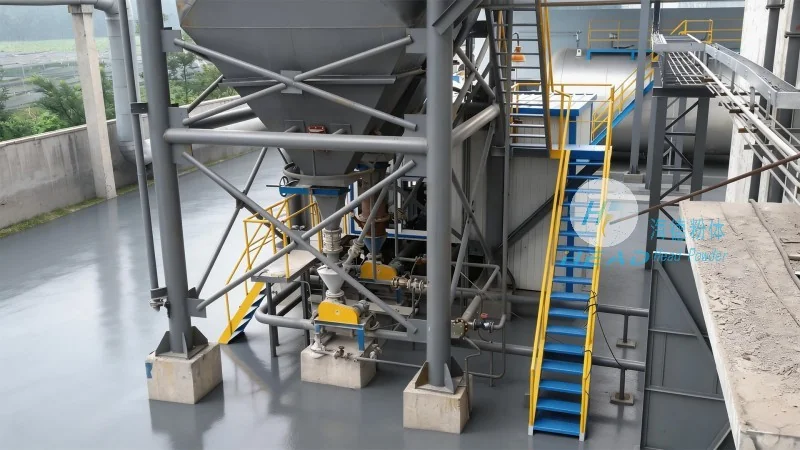
Key Components of Pneumatic Conveying Systems for Potash Fertilizer
The core structures of a pneumatic conveying system for potash fertilizer typically include several critical components that work in tandem to facilitate the movement of material from source to destination. These components are meticulously designed to optimize performance, minimize operational costs, and enhance safety. The primary elements are:
1. Hopper and Feeder System - The hopper serves as the storage and feeding unit, where potash fertilizer is collected and then transferred to the conveying line. A properly designed feeder, such as a rotary valve or a screw feeder, ensures a consistent and controlled flow of material into the system. This component is crucial for maintaining uniform pressure and preventing blockages, which can lead to system inefficiencies or equipment damage.
2. Conveying Line and Tubing - The conveying line, often made of stainless steel or other corrosion-resistant materials, is the backbone of the system. It transports the potash fertilizer through the air stream. The choice of tubing diameter and material is critical, as it directly impacts the system's capacity and pressure requirements. Properly sized and installed tubing minimizes pressure drop and ensures smooth material flow, reducing the risk of clogging and improving overall system efficiency.
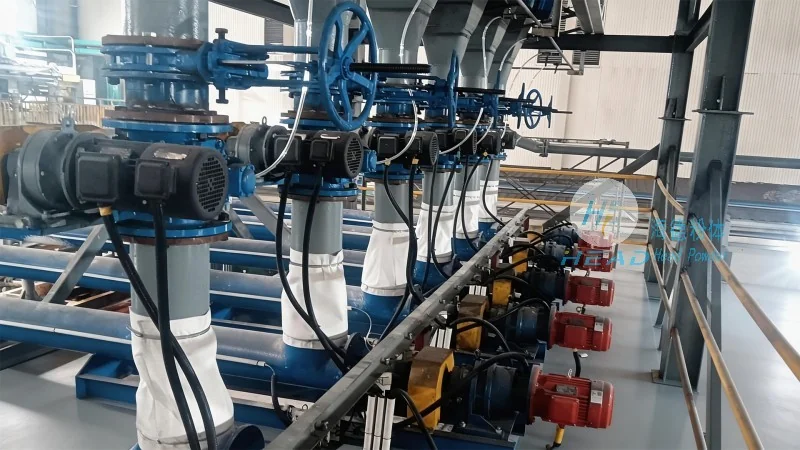
3. Air Supply and Compressor Unit - The air supply system, including a compressor and associated controls, generates the necessary airflow to move the potash fertilizer particles. The compressor is typically selected based on the system's required pressure and flow rate. Variable frequency drives (VFDs) may be employed to adjust the compressor speed, allowing for energy savings and better control over the conveying process. The air supply unit is designed to handle the specific characteristics of potash fertilizer, such as its dust content and potential for moisture absorption.
4. Dust Collection and Filtration System - Given the dusty nature of potash fertilizer, an effective dust collection and filtration system is essential. This component captures and removes airborne particles, preventing contamination of the environment and ensuring compliance with safety regulations. High-efficiency particulate air (HEPA) filters or baghouse filters are commonly used to achieve the required filtration efficiency. The system also includes a collection hopper to store the captured dust, which can be recycled or disposed of appropriately.
5. Control and Monitoring System - Modern pneumatic conveying systems for potash fertilizer are equipped with advanced control and monitoring equipment. This includes sensors for pressure, flow, and level, as well as a programmable logic controller (PLC) that manages the entire operation. The control system allows for real-time monitoring of the conveying process, enabling operators to detect and address issues promptly. It also provides data for performance analysis and maintenance scheduling, contributing to long-term system reliability and efficiency.
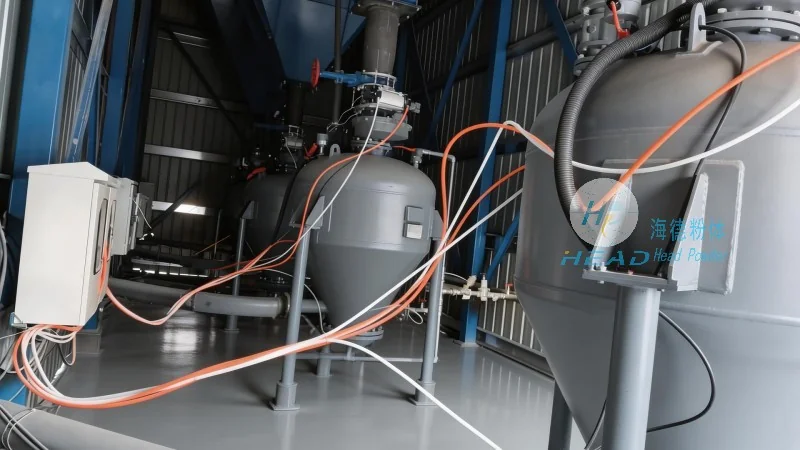
Advantages of Pneumatic Conveying Structures for Potash Fertilizer
Implementing a pneumatic conveying system for potash fertilizer offers several advantages over traditional mechanical conveying methods. These benefits include:
1. Reduced Labor Costs and Increased Efficiency - Pneumatic conveying systems automate the material handling process, reducing the need for manual labor and minimizing downtime. The consistent flow and controlled pressure ensure that the system operates at optimal efficiency, leading to higher throughput and lower operational costs.
2. Enhanced Safety and Environmental Protection - By containing the potash fertilizer within a closed system, the risk of dust exposure and environmental contamination is significantly reduced. The dust collection and filtration system ensures that no particles are released into the atmosphere, meeting regulatory requirements and protecting both workers and the environment.
3. Flexibility and Scalability - Pneumatic conveying systems can be easily modified or expanded to accommodate changing production needs. The modular design allows for the addition of new conveying lines or components without major system overhauls, providing flexibility for future growth and adaptation.
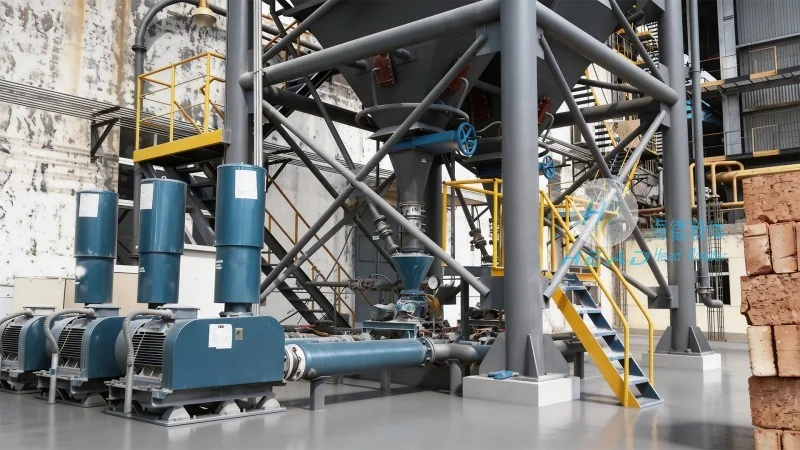
4. Lower Maintenance Requirements - Compared to mechanical systems, pneumatic conveying systems have fewer moving parts, which reduces the likelihood of mechanical failure and lowers maintenance costs. The closed system design also minimizes exposure to corrosive materials, extending the lifespan of components.
Customization and Application Considerations
Shandong HeadPowder Engineering Co., Ltd. offers customized pneumatic conveying solutions tailored to the specific requirements of each client. The design process takes into account factors such as the potash fertilizer's properties (e.g., particle size, moisture content), the distance and elevation changes between the source and destination, and the overall production capacity. The company's engineers work closely with clients to develop a system that meets their unique needs, ensuring optimal performance and reliability.
For industrial applications, the system may be integrated with other processes, such as blending, packaging, or storage, to create a seamless material handling workflow. The flexibility of pneumatic conveying allows for integration with existing infrastructure, minimizing disruption during installation and operation.




