When it comes to transporting tailings powder and slag, efficient and reliable methods are crucial for industrial operations. Pneumatic conveying systems offer a viable alternative to traditional bulk material handling techniques, providing advantages such as reduced equipment wear, lower energy consumption, and enhanced safety. This article explores several effective solutions for pneumatic conveying of tailings powder and slag, highlighting the technical aspects and practical applications of each approach.
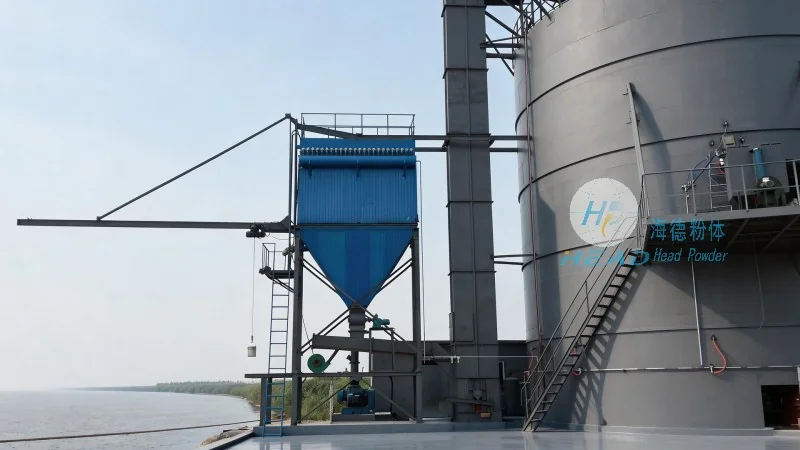
Introduction to Pneumatic Conveying Systems
Pneumatic conveying systems utilize air or other gases to transport bulk materials like tailings powder and slag through a pipeline network. These systems can be categorized into two main types: dilute-phase and dense-phase. Dilute-phase systems operate at higher air velocities, allowing for longer conveying distances and higher material flow rates. Dense-phase systems, on the other hand, use lower air velocities and higher material concentrations, which is ideal for handling abrasive or sensitive materials. Both types have their own advantages and are suitable for different industrial scenarios.
Option 1: Positive Pressure Dilute-Phase Conveying
Positive pressure dilute-phase conveying is a common method for transporting tailings powder and slag over moderate distances. In this system, air is supplied under pressure to the material, which is then carried through the pipeline. The system typically consists of a blower, a hopper, and a pipeline with a receiver at the end. The positive pressure ensures that the material is continuously moved through the system, preventing blockages and ensuring consistent flow. This method is particularly effective for conveying fine powders and granular materials, as the high air velocity prevents material settling in the pipeline. The main advantages of positive pressure dilute-phase conveying include its ability to handle long distances, its relatively low cost, and its simplicity in operation. However, it may not be suitable for very abrasive or high-density materials, as the high air velocity can cause excessive wear on the pipeline and equipment.
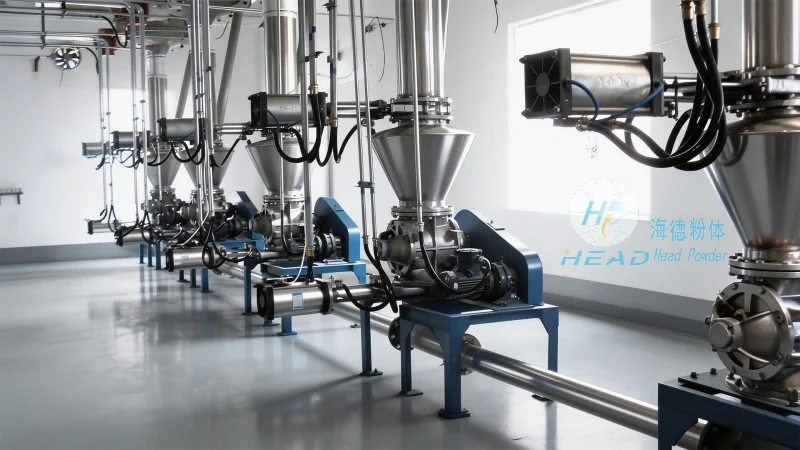
Option 2: Negative Pressure (Vacuum) Dilute-Phase Conveying
Negative pressure or vacuum dilute-phase conveying is another effective solution for transporting tailings powder and slag. In this system, a vacuum is created at the receiver end of the pipeline, drawing the material from the hopper and through the pipeline. The system typically includes a vacuum pump, a hopper, and a pipeline with a receiver. The vacuum ensures that the material is pulled through the system, which can be advantageous for applications where the material needs to be transported from a lower elevation to a higher one. This method is particularly useful for handling materials that are difficult to discharge from hoppers due to their cohesive nature. The main advantages of negative pressure dilute-phase conveying include its ability to handle materials with higher moisture content and its suitability for short to medium distances. However, it may not be as efficient for long-distance conveying as positive pressure systems, as the vacuum can drop off over longer distances, leading to reduced material flow rates.
Option 3: Dense-Phase Conveying
Dense-phase conveying is a more specialized method that is ideal for handling abrasive or sensitive materials like tailings powder and slag. In this system, the material is conveyed at a lower air velocity and higher material concentration, which reduces the impact on the pipeline and equipment. The system typically uses a positive pressure blower and a pressure vessel or surge tank to maintain the material in a dense phase. The material is then discharged from the vessel into the pipeline, where it is conveyed to the receiver. Dense-phase conveying is particularly effective for materials that are prone to caking or agglomeration, as the lower air velocity prevents the material from sticking to the pipeline walls. The main advantages of dense-phase conveying include its ability to handle high-density materials, its reduced wear on equipment, and its suitability for handling sensitive materials. However, it may not be as efficient for long-distance conveying as dilute-phase systems, as the lower air velocity results in lower material flow rates.
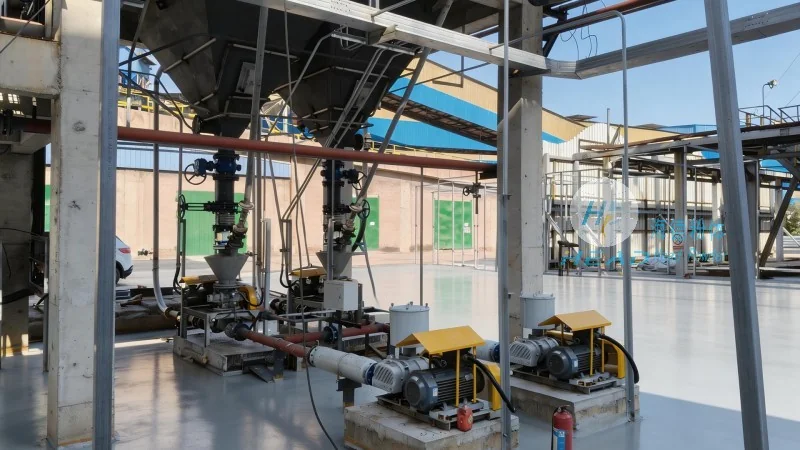
Option 4: Hybrid Conveying Systems
Hybrid conveying systems combine elements of both dilute-phase and dense-phase systems to achieve optimal performance for tailings powder and slag transportation. These systems typically use a positive pressure blower to create a dilute phase for the initial portion of the pipeline, and then switch to a dense phase for the final portion, where the material is discharged. This approach allows for efficient conveying over long distances while maintaining the benefits of dense-phase conveying for the final discharge. Hybrid systems are particularly useful for applications where the material needs to be transported over varying distances or through different types of terrain. The main advantages of hybrid conveying systems include their flexibility, their ability to handle a wide range of materials, and their improved efficiency compared to traditional systems. However, they may be more complex to design and operate, requiring careful consideration of the system parameters.
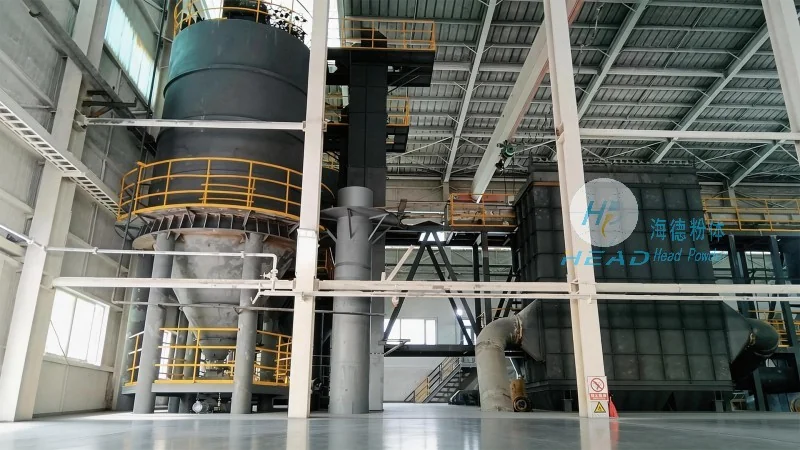
Factors to Consider When Choosing a Pneumatic Conveying Solution
When selecting a pneumatic conveying solution for tailings powder and slag, several factors need to be considered to ensure optimal performance and cost-effectiveness. The first factor is the material characteristics, including its particle size, density, moisture content, and abrasiveness. These characteristics will determine the type of system that is most suitable, as different materials have different conveying requirements. The second factor is the conveying distance and elevation change, as this will affect the system's design and components. The third factor is the required flow rate and discharge pressure, as these will determine the size and capacity of the system. The fourth factor is the budget and maintenance requirements, as these will affect the long-term cost of ownership. By carefully considering these factors, industrial operators can select the most appropriate pneumatic conveying solution for their specific needs.
Conclusion
Pneumatic conveying systems offer several effective solutions for transporting tailings powder and slag, each with its own advantages and limitations. Positive pressure dilute-phase conveying is suitable for moderate distances and fine materials, while negative pressure systems are ideal for handling materials with higher moisture content. Dense-phase conveying is best for abrasive or sensitive materials, and hybrid systems provide flexibility for varying conditions. By considering the material characteristics, conveying distance, and other factors, industrial operators can select the most appropriate system to ensure efficient and reliable transportation of tailings and slag. As technology advances, these systems continue to improve, offering even better performance and cost savings for industrial applications.




