Cement clinker powder handling equipment is a specialized system designed to transport and manage cement clinker, a key raw material in the production of cement. This equipment is crucial for efficient material flow in cement manufacturing plants, ensuring that clinker is moved from storage silos or processing units to the next stage of production with minimal loss and maximum efficiency. The design of such equipment must consider factors like material properties, flow characteristics, and operational requirements to achieve optimal performance.
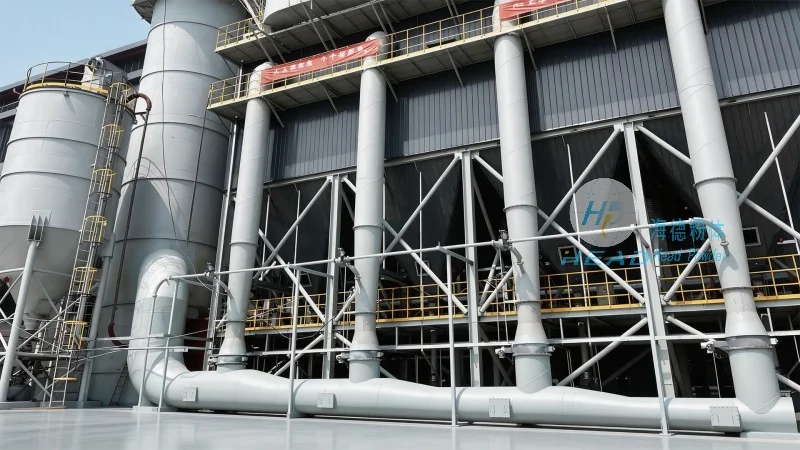
Key Components of Cement Clinker Powder Handling Equipment
The core components of cement clinker powder handling equipment typically include storage silos, conveying systems (such as pneumatic or mechanical conveyors), feeding mechanisms, and control systems. Storage silos are used to store clinker in bulk, providing a stable source of material for the conveying process. Conveying systems, which may be pneumatic (using air pressure to move material) or mechanical (using belts, screws, or other mechanical means), are responsible for transporting clinker from the silos to the processing or packaging areas. Feeding mechanisms, such as rotary valves or screw feeders, regulate the flow rate of clinker into the conveying system, ensuring consistent and controlled delivery. Control systems, often integrated with sensors and automation technology, monitor the equipment's performance, adjust parameters as needed, and provide real-time data on material flow rates and system status.
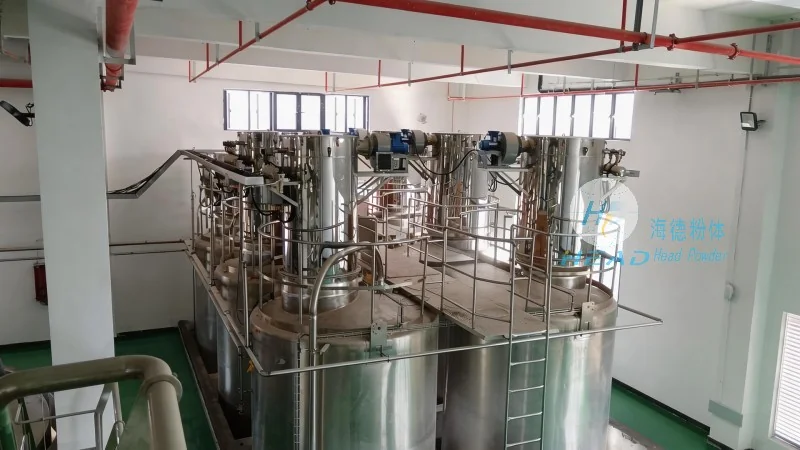
Design Principles for Cement Clinker Powder Handling Equipment
The design principles for cement clinker powder handling equipment are centered on ensuring efficient, reliable, and safe operation. One of the primary principles is to minimize material degradation and loss during transport. Cement clinker is a fine powder with high specific surface area, making it susceptible to agglomeration and dust generation. Therefore, equipment design must incorporate features that prevent material buildup, reduce friction, and maintain consistent flow. For example, smooth internal surfaces in silos and conveyors, proper sealing, and appropriate air flow in pneumatic systems are critical to maintaining material quality.
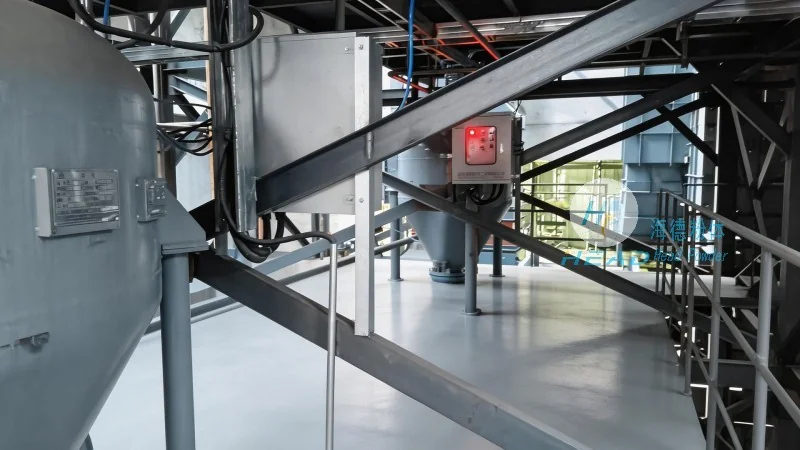
Another key design principle is to ensure the equipment can handle the high bulk density and abrasive nature of cement clinker. The materials used in the construction of the equipment, such as high-strength steel or corrosion-resistant alloys, must withstand the wear and tear caused by the abrasive particles. Additionally, the design must account for the potential for material segregation, where different particle sizes or densities separate during transport. To mitigate this, equipment may include mixing or blending sections to ensure a uniform product.
Operational Considerations and Maintenance
Operational considerations for cement clinker powder handling equipment include maintaining consistent pressure and flow rates, as fluctuations can lead to system inefficiencies or material blockages. Regular maintenance is essential to ensure the equipment operates at peak performance. This includes cleaning silos and conveyors to prevent material buildup, inspecting seals and bearings for wear, and checking the functionality of control systems. Proper maintenance not only extends the equipment's lifespan but also reduces downtime and operational costs.
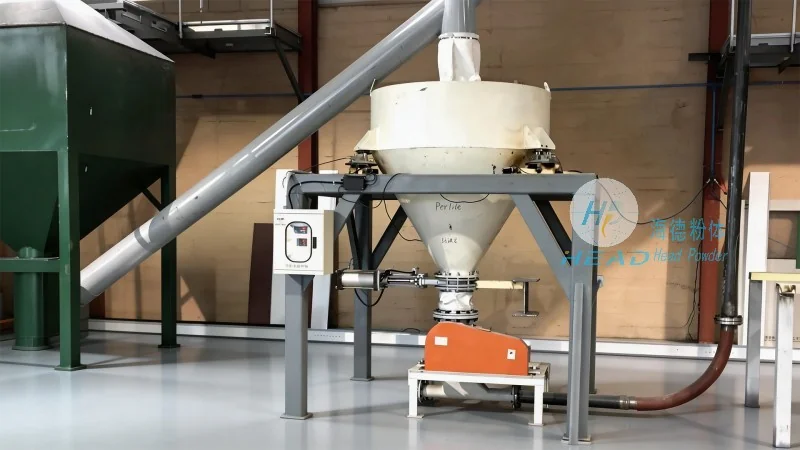
About Shandong HeadPowder Engineering Co., Ltd.
Shandong HeadPowder Engineering Co., Ltd., commonly known as HeadPowder, is a leading manufacturer specializing in the design and production of cement clinker powder handling equipment. With a strong focus on innovation and quality, HeadPowder has established itself as a trusted partner in the cement industry. The company's products are engineered to meet the specific needs of cement manufacturers, offering solutions that enhance efficiency, reduce costs, and improve overall plant performance. HeadPowder's commitment to customer satisfaction and technical excellence has made it a preferred choice for businesses seeking reliable and high-performance powder handling solutions.




