Shandong HeadPowder Engineering Co., Ltd., a leading enterprise in the field of powder handling technology, specializes in the design, manufacturing, and implementation of advanced pneumatic conveying systems. With a focus on efficiency and reliability, the company's solutions are tailored to meet the specific needs of industries dealing with silicate materials. This article provides a detailed exploration of the operation process and working principle of silicate pneumatic conveying systems, highlighting the key components, operational steps, and technical aspects that ensure optimal performance.
Overview of Silicate Pneumatic Conveying Systems
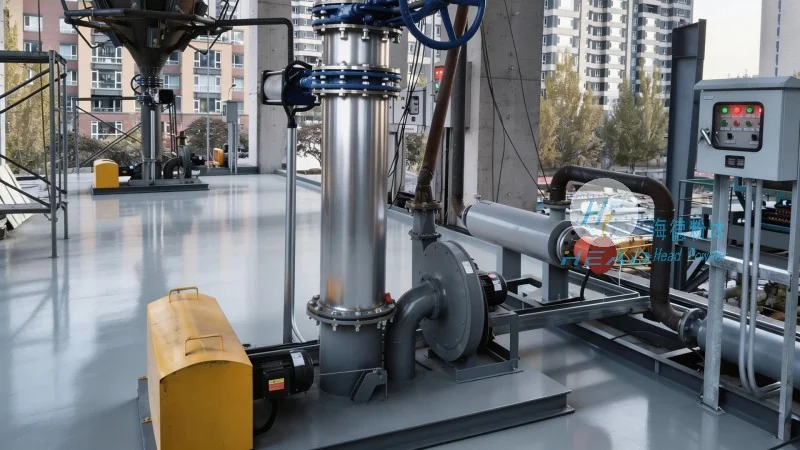
Silicate pneumatic conveying systems are engineered to transport silicate powders, such as silica, kaolin, and other mineral-based materials, through a pressurized or vacuum environment. These systems are widely used in industries like ceramics, glass, and chemical manufacturing due to their ability to handle fine powders with minimal product degradation. The core components of a typical silicate pneumatic conveying system include a material hopper, a conveying line (usually made of stainless steel or other corrosion-resistant materials), a blower or vacuum pump, and a discharge unit. Each component plays a critical role in ensuring the smooth and efficient movement of the material from the source to the destination.
Key Components and Their Functions
The material hopper is the initial storage unit where silicate powders are loaded. It is designed with a conical or rectangular shape to facilitate uniform material flow and prevent clogging. The hopper is equipped with a feeder, often a rotary valve or a screw feeder, which controls the rate of material discharge into the conveying line. The conveying line, typically a pipe system, is the pathway through which the material is transported. It is usually made of stainless steel to withstand the abrasive nature of silicate powders and resist corrosion from moisture or other chemicals. The blower or vacuum pump generates the necessary pressure or suction to move the material through the line. This component can be either a positive displacement blower (for pressure systems) or a vacuum pump (for suction systems), depending on the system design. The discharge unit, located at the end of the conveying line, collects the material and directs it to the final destination, such as a storage silo or a processing unit.
Operation Process of Silicate Pneumatic Conveying Systems
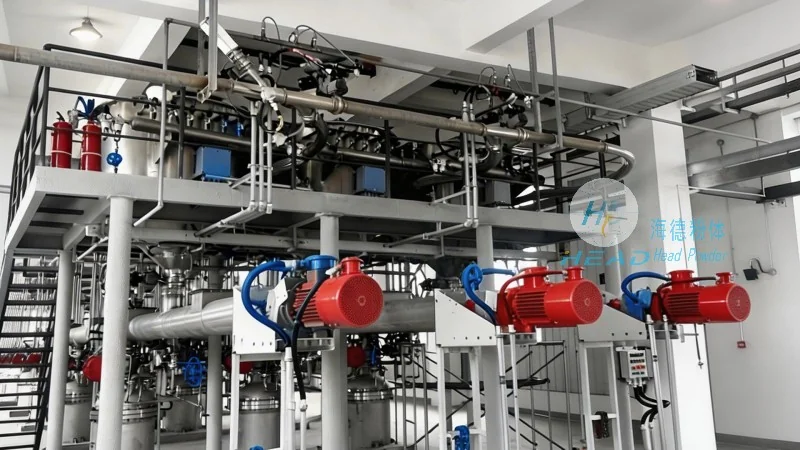
The operation of a silicate pneumatic conveying system involves several sequential steps that ensure the material is transported safely and efficiently. The process begins with the loading of the silicate powder into the material hopper. The feeder then regulates the flow of material, controlling the rate at which it enters the conveying line. Simultaneously, the blower or vacuum pump is activated, creating the necessary pressure or suction to move the material. As the material is drawn into the conveying line, it is mixed with the air stream, forming a suspension that travels through the pipe system. The speed and pressure of the air stream are carefully controlled to prevent material degradation, such as agglomeration or particle breakage. Upon reaching the discharge unit, the material is separated from the air stream, typically through a cyclone separator or a filter, and collected in the final storage or processing container. The system then returns to the initial state, ready for the next cycle of material transport.
Working Principle of Silicate Pneumatic Conveying Systems
The working principle of silicate pneumatic conveying systems is based on the fundamental physics of fluid dynamics and particle transport. In a pressure system, the blower generates a high-pressure air stream that pushes the silicate powder through the conveying line. The air and powder mixture moves at a velocity sufficient to overcome the gravitational force acting on the particles, ensuring they remain suspended in the air stream. The pressure drop along the conveying line is managed by the system design, with appropriate pipe diameters and fittings to minimize energy loss. In a vacuum system, the vacuum pump creates a low-pressure environment at the discharge end, drawing the material from the hopper through the line. The air flow in this system is typically lower than in pressure systems, making it suitable for longer conveying distances or when the material is more sensitive to high velocities. The key to the system's efficiency lies in maintaining the proper air-to-particle ratio, which balances the energy consumption with the material transport capacity. This ratio is determined by factors such as the particle size, density, and moisture content of the silicate material, as well as the system's design parameters.
Advantages and Considerations for Silicate Pneumatic Conveying Systems
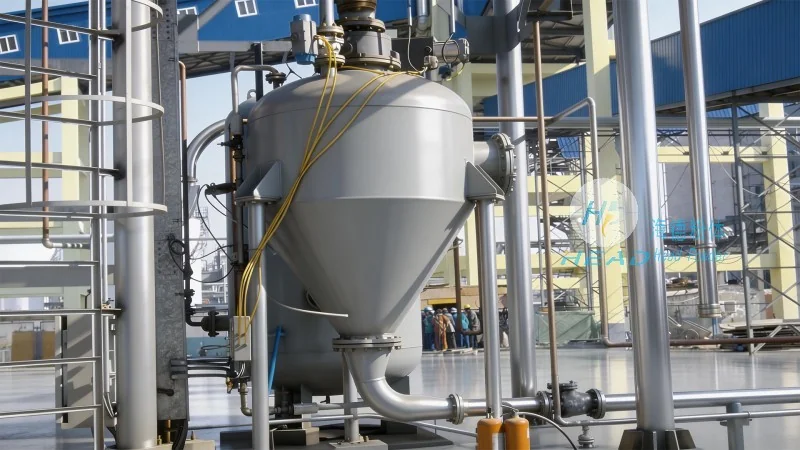
Silicate pneumatic conveying systems offer several advantages over traditional mechanical conveying methods, making them a preferred choice for many industries. One of the primary benefits is the ability to handle fine powders without the need for mechanical components like belts or buckets, which can cause product contamination or degradation. The system is also highly flexible, allowing for changes in material flow rates and conveying distances without significant modifications. Additionally, pneumatic conveying systems are relatively compact and can be installed in various configurations, including vertical, horizontal, or mixed layouts, to suit the space constraints of different facilities. However, there are also considerations to keep in mind when implementing such systems. For instance, the system requires proper maintenance to prevent air leaks or blockages, which can affect performance. The selection of the appropriate blower or vacuum pump is critical, as it must be capable of handling the specific characteristics of the silicate material, including its density and flowability. Furthermore, the system's energy consumption is a factor to consider, as high-pressure systems may require more power than vacuum systems for the same material transport capacity.
Applications and Industry Impact
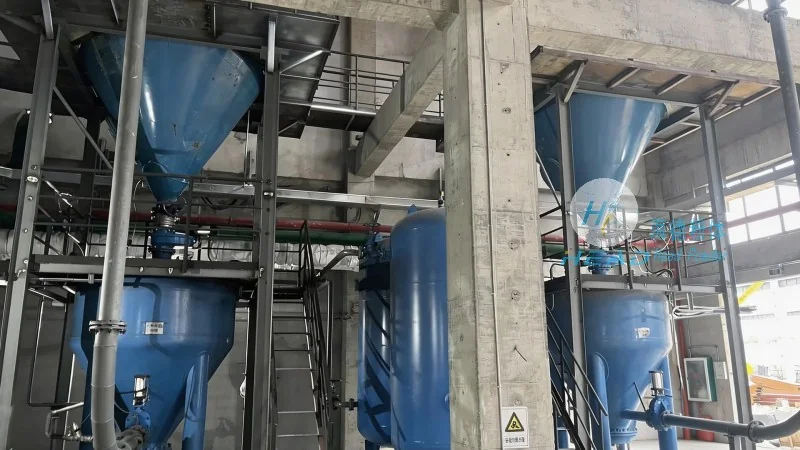
Silicate pneumatic conveying systems are widely used in various industries due to their versatility and efficiency. In the ceramics industry, for example, these systems are used to transport raw materials like silica and kaolin from storage to processing units, ensuring a consistent and clean supply of materials. In the glass manufacturing sector, they help in conveying fine powders used in the production of glass products, maintaining the quality and purity of the end product. The chemical industry also benefits from these systems when handling mineral-based powders, as they provide a safe and effective method of material transport. The adoption of silicate pneumatic conveying systems has significantly improved the productivity and reliability of material handling processes in these industries, reducing downtime and increasing overall operational efficiency.
Conclusion
Shandong HeadPowder Engineering Co., Ltd. continues to innovate in the field of powder handling technology, providing advanced silicate pneumatic conveying systems that meet the evolving needs of modern industries. By understanding the operation process and working principle of these systems, users can optimize their material transport processes, enhance efficiency, and ensure the quality of their products. The company's expertise in designing and implementing such systems ensures that clients receive tailored solutions that are reliable, efficient, and cost-effective. As industries continue to demand higher standards of material handling, the role of silicate pneumatic conveying systems will remain crucial in maintaining operational excellence and product quality.




