HeadPowder, a leading provider in the field, specializes in advanced pneumatic conveying solutions tailored for foam plastic materials. Based in Shandong, China, the company has established itself as a trusted partner for industries seeking efficient and reliable material handling systems. This article delves into the operation process and working principles of foam plastic pneumatic conveying systems, highlighting the technical aspects and practical applications that define their effectiveness.
Introduction to Foam Plastic Pneumatic Conveying Systems
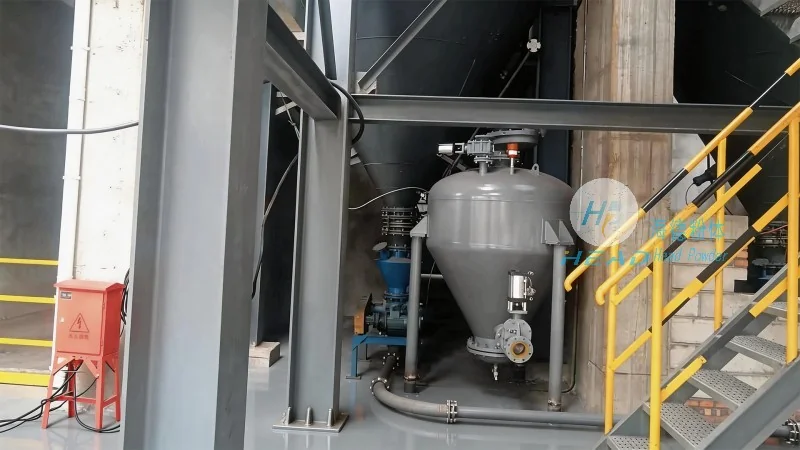
HeadPowder Engineering Co., Ltd. has developed innovative foam plastic pneumatic conveying systems designed to address the unique challenges of handling lightweight, low-density foam plastics. These systems utilize air as the primary medium to transport materials, offering a non-contact, low-friction method that minimizes product damage and ensures consistent flow. The core components of such systems include a hopper for material storage, a blower or compressor to generate airflow, a pipeline network to direct the material, and a discharge unit for material release. Each component works in harmony to achieve efficient material transport, making these systems ideal for applications in manufacturing, packaging, and recycling industries.
The Operation Process of Foam Plastic Pneumatic Conveying Systems
The operation process of a foam plastic pneumatic conveying system begins with the loading of material into the hopper. The material, typically in bulk form, is fed into the hopper where it accumulates until the system is ready for transport. Once the material is loaded, the blower or compressor is activated, generating a high-pressure airflow that travels through the pipeline. The airflow creates a vacuum or pressure differential that draws the foam plastic particles into the pipeline. As the material is drawn along the pipeline, it is carried by the air stream, moving from the hopper to the discharge point. The system may include intermediate units like cyclones or filters to separate any air from the material before discharge, ensuring that only the processed foam plastic reaches the final destination. The entire process is controlled by a programmable logic controller (PLC) or a similar system, which monitors pressure, flow rates, and material levels to maintain optimal operation. This automated control ensures consistent performance and reduces the need for manual intervention, enhancing efficiency and reliability.
Working Principle of Foam Plastic Pneumatic Conveying Systems
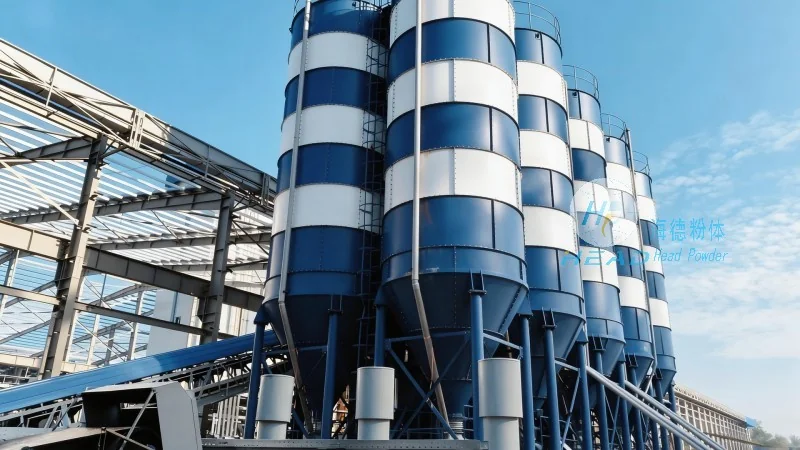
The working principle of foam plastic pneumatic conveying systems is based on the fundamental physics of fluid dynamics and particle transport. The system operates on the principle of pneumatic transport, where air is used to move solid particles through a pipeline. The key to effective transport is the creation of a stable air-solid mixture, often referred to as a "slurry" or "conveying stream." In the case of foam plastics, the low density and light weight of the material require a specific airflow velocity to ensure that the particles remain suspended and do not settle out of the air stream. The blower or compressor provides the necessary pressure to generate the airflow, while the hopper and pipeline design are optimized to minimize friction and resistance. The system may use different conveying modes, such as dilute phase or dense phase, depending on the material characteristics and application requirements. Dilute phase conveying involves a low concentration of material in the air stream, suitable for long-distance transport, while dense phase conveying uses a higher material concentration, ideal for short-distance or high-volume transport. The choice of conveying mode is determined by factors like material size, moisture content, and the distance between the loading and discharge points. The discharge unit, such as a rotary valve or a pressure vessel, then releases the material from the system, completing the transport cycle. Throughout the process, the system maintains a consistent airflow and pressure, ensuring that the foam plastic particles are transported efficiently and without damage.
Key Components and Their Functions
Several critical components work together to ensure the smooth operation of foam plastic pneumatic conveying systems. The hopper serves as the storage and feeding unit, where the foam plastic material is loaded and prepared for transport. It is designed with a sloped bottom to facilitate material flow and may include a feeder mechanism, such as a rotary valve or a screw conveyor, to control the rate of material discharge. The blower or compressor is the heart of the system, providing the necessary airflow and pressure to move the material. It can be a centrifugal blower or a positive displacement compressor, depending on the required pressure and flow rate. The pipeline network connects the hopper to the discharge unit and may include elbows, tees, and other fittings to direct the airflow and material. The pipeline is typically made of materials like stainless steel or plastic, chosen for their resistance to corrosion and wear from the foam plastic particles. The discharge unit, such as a rotary valve or a pressure vessel, collects the material from the pipeline and releases it to the next processing stage. It may also include a filter or a cyclone to separate any air from the material, ensuring that the discharged material is clean and free of contaminants. The control system, often a PLC, monitors and regulates the operation of all components, adjusting airflow, pressure, and material flow rates as needed to maintain optimal performance. This integrated control ensures that the system operates efficiently and reliably, minimizing downtime and maximizing productivity.
Advantages of Foam Plastic Pneumatic Conveying Systems
Foam plastic pneumatic conveying systems offer several advantages over traditional material handling methods, making them a preferred choice for many industries. One of the primary benefits is the non-contact nature of the transport process, which minimizes product damage and contamination. Since the material is not in direct contact with the pipeline or other components, there is no risk of scratching, dents, or other physical damage that can occur with mechanical conveyors. This is particularly important for foam plastics, which are often delicate and prone to damage. Another advantage is the ability to transport materials over long distances without the need for intermediate storage or transfer points. The pneumatic system can move material from the production line to the packaging or processing area directly, reducing the need for additional equipment and labor. The system also offers high flexibility, as it can be easily reconfigured to accommodate changes in material flow or process requirements. This adaptability makes it suitable for a wide range of applications, from small-scale production to large-scale industrial operations. Additionally, the system is relatively low maintenance, as it has fewer moving parts compared to mechanical conveyors, reducing the risk of breakdowns and maintenance costs. The use of air as the transport medium also allows for the integration of multiple conveying lines, enabling the simultaneous transport of different materials or products. This multi-line capability enhances the overall efficiency of the material handling process, making it a cost-effective solution for many businesses.
Applications and Industries
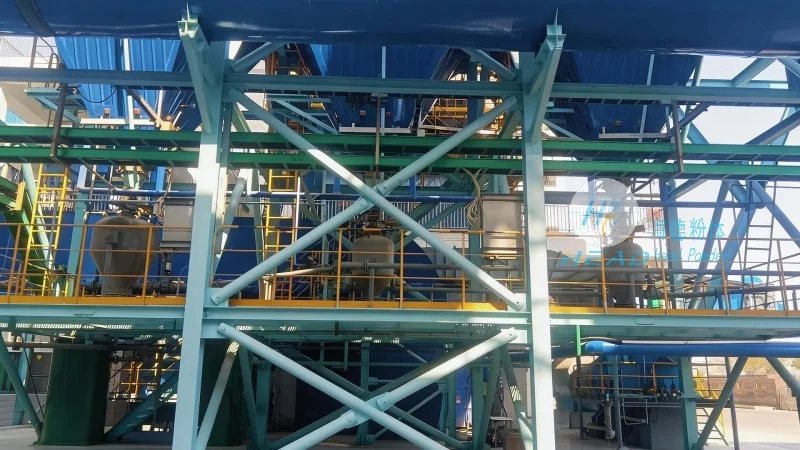
Foam plastic pneumatic conveying systems are widely used in various industries due to their versatility and efficiency. In the manufacturing industry, these systems are commonly used to transport foam plastic components from the molding or cutting stage to the assembly line. For example, in the production of foam packaging materials, the system can transport the molded foam sheets from the molding machine to the packaging machine, ensuring a smooth and continuous production process. In the packaging industry, the systems are used to move foam plastic packaging materials from the storage area to the packaging line, where they are used to protect products during shipping. The recycling industry also benefits from these systems, as they can transport foam plastic waste from collection points to recycling facilities, enabling efficient material recovery. Other industries that use foam plastic pneumatic conveying systems include automotive, where foam plastic parts are transported from the production line to the assembly area, and construction, where foam plastic insulation materials are conveyed to the installation site. The systems are also used in research and development facilities, where they help in the transport of experimental materials and samples. Overall, the applications of foam plastic pneumatic conveying systems are diverse, reflecting their adaptability and effectiveness in handling various foam plastic materials and processes.
Conclusion
Foam plastic pneumatic conveying systems, as developed by HeadPowder Engineering Co., Ltd., represent a sophisticated and efficient solution for material handling in industries dealing with foam plastics. The operation process, which involves loading, air transport, and discharge, is carefully designed to ensure optimal performance and minimal product damage. The working principle, based on pneumatic transport and fluid dynamics, provides a reliable method for moving lightweight and low-density materials. The key components, including the hopper, blower, pipeline, and discharge unit, work together seamlessly to achieve efficient material transport. The advantages of these systems, such as non-contact transport, long-distance capability, and low maintenance, make them a preferred choice for many applications. Industries such as manufacturing, packaging, and recycling benefit significantly from the use of foam plastic pneumatic conveying systems, as they enhance productivity, reduce costs, and improve product quality. As technology continues to advance, these systems are likely to become even more efficient and versatile, further solidifying their role in the material handling industry. HeadPowder Engineering Co., Ltd. remains committed to providing innovative and reliable pneumatic conveying solutions, ensuring that industries can meet their material handling needs effectively and efficiently.




