HeadPowder, a leading provider of advanced material handling solutions, specializes in the design, manufacturing, and installation of vacuum-pressure mixed pneumatic conveying systems. Based in Shandong, China, the company has established itself as a trusted partner for industries seeking efficient and reliable bulk material transport solutions. This article delves into the operation process and working principle of such systems, highlighting their key components, operational dynamics, and practical applications.
Introduction to Vacuum-Pressure Mixed Pneumatic Conveying Systems
Vacuum-pressure mixed pneumatic conveying systems represent a sophisticated approach to bulk material transport, combining the benefits of both vacuum and pressure conveying technologies. This hybrid system is particularly effective for handling a wide range of materials, including powders, granules, and fine particles, across various industrial sectors such as pharmaceuticals, food processing, chemicals, and minerals. The system's design allows for flexible and efficient material movement, minimizing product degradation and ensuring consistent performance under diverse operational conditions.
Key Components of the System
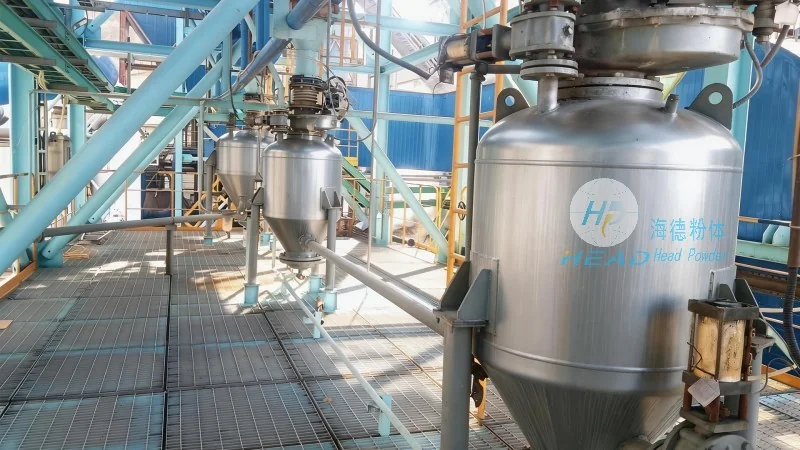
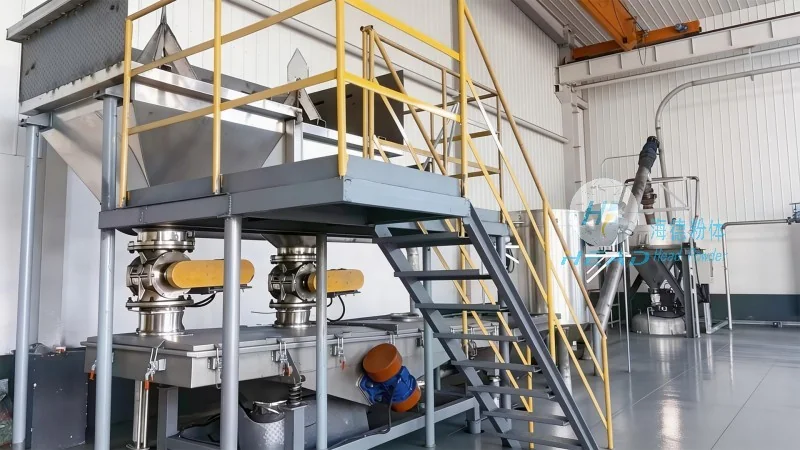
The vacuum-pressure mixed pneumatic conveying system consists of several critical components that work in tandem to achieve efficient material transport. These components include the material feed hopper, the vacuum and pressure sections of the conveying line, the air compressor or vacuum pump, the filter system, and the discharge hopper. Each component plays a vital role in the overall operation, ensuring that materials are conveyed safely and effectively from the source to the destination.
Operation Process of the System
The operation of a vacuum-pressure mixed pneumatic conveying system typically involves the following sequential steps. First, the material is fed into the hopper from the source location. The system then initiates the vacuum phase, where air is drawn through the conveying line, creating a negative pressure that pulls the material particles along with the air stream. This phase is crucial for transporting materials over moderate distances and through vertical or inclined sections of the line. After the material reaches the intermediate or final destination, the system switches to the pressure phase. In this phase, compressed air is introduced into the line, pushing the material forward and ensuring that any remaining material is fully discharged from the line. The system then returns to the vacuum phase to prepare for the next batch of material, completing the cycle.
Working Principle of the System
The working principle of the vacuum-pressure mixed pneumatic conveying system is based on the fundamental principles of fluid dynamics and particle transport. The system utilizes a combination of negative and positive air pressures to create a controlled flow of air and material particles. During the vacuum phase, the air flow creates a suction force that draws material particles into the conveying line. The air velocity is carefully controlled to ensure that particles are entrained without excessive wear or degradation. In the pressure phase, compressed air provides the necessary force to push the material through the line, overcoming any resistance or obstacles in the path. The filter system plays a critical role in maintaining air quality by removing any fine particles or dust from the air stream, ensuring that the system operates efficiently and safely.
Advantages of Vacuum-Pressure Mixed Pneumatic Conveying Systems
Compared to traditional conveying methods such as belt conveyors or screw conveyors, vacuum-pressure mixed pneumatic conveying systems offer several distinct advantages. These include the ability to transport materials over long distances with minimal maintenance, the flexibility to handle a wide variety of materials, and the reduced risk of product contamination due to enclosed systems. Additionally, the system's ability to operate in both vacuum and pressure modes allows for greater control over material flow, making it suitable for applications requiring precise dosing or controlled discharge. The hybrid design also minimizes energy consumption by optimizing the use of air pressure, resulting in cost-effective and environmentally friendly operation.
Applications and Industries
Vacuum-pressure mixed pneumatic conveying systems are widely used in various industries due to their versatility and efficiency. In the pharmaceutical industry, these systems are used to transport sensitive powders and granules, ensuring that the materials remain uncontaminated and free from degradation. In food processing, the systems are employed to handle ingredients such as flour, sugar, and spices, maintaining product quality and hygiene. The chemical industry utilizes these systems for transporting powders and granules, including chemicals and additives, while the minerals and mining sector benefits from the efficient transport of bulk materials such as ores and minerals. The system's ability to handle fine particles and maintain product integrity makes it an ideal solution for industries where material quality is paramount.
Conclusion
HeadPowder's vacuum-pressure mixed pneumatic conveying systems represent a cutting-edge solution for bulk material transport, combining advanced technology with reliable performance. By understanding the operation process and working principle of these systems, industries can leverage their benefits to improve efficiency, reduce costs, and enhance product quality. With a strong presence in Shandong, China, HeadPowder continues to innovate and provide tailored solutions to meet the evolving needs of its clients, ensuring that material handling processes are optimized for maximum productivity and reliability.




