Monosodium glutamate (MSG), commonly known as flavor enhancer, is widely used in the food industry to enhance taste. The efficient and safe handling of MSG powder is crucial for industrial applications, and specialized equipment is essential to ensure proper processing. This article explores the concept of monosodium glutamate powder handling equipment and delves into its design principles, highlighting the key components and operational mechanisms that enable effective powder transport and management.
Key Components of Powder Handling Systems for MSG
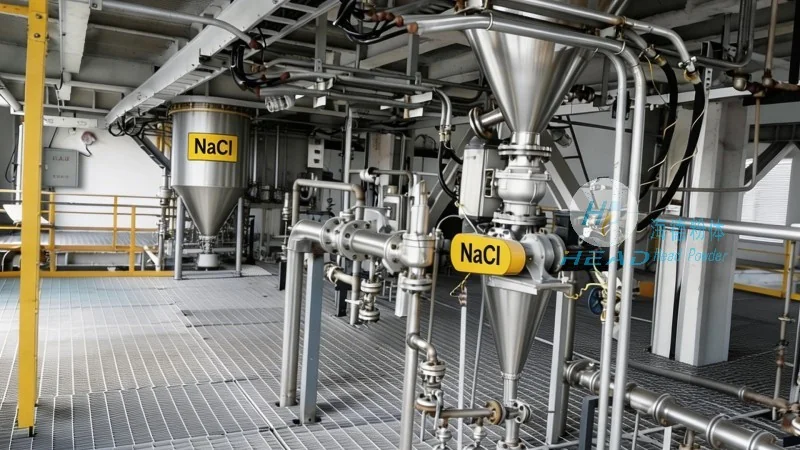
Monosodium glutamate powder handling equipment typically consists of several interconnected components designed to handle the unique properties of the powder. These components include hoppers, conveyors, and control systems, each playing a vital role in the overall operation. Hoppers are used to store and feed the powder, ensuring a consistent supply to the conveying system. Conveyors, such as screw conveyors or pneumatic systems, transport the powder from the hopper to the processing or packaging areas. Control systems, often integrated with sensors and automation, monitor the flow rate, pressure, and other parameters to maintain optimal performance and prevent issues like clogging or uneven distribution.
Design Principles for Efficient MSG Powder Transport
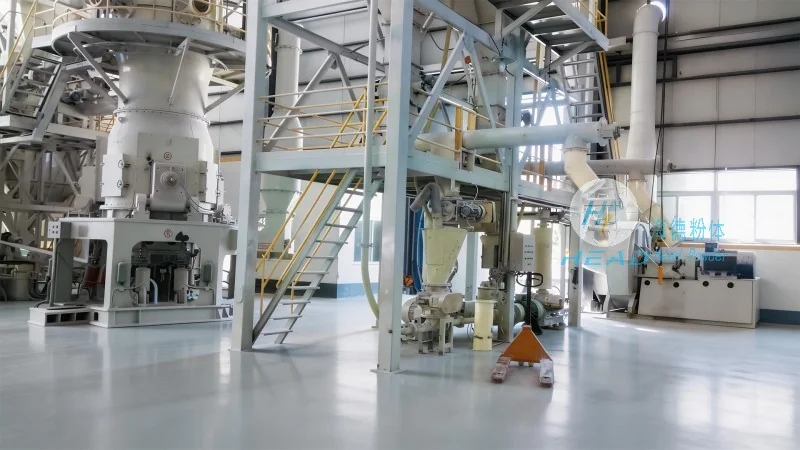
The design of monosodium glutamate powder handling equipment is guided by several key principles aimed at maximizing efficiency, safety, and reliability. One of the primary considerations is the prevention of powder segregation and agglomeration, which can lead to uneven flow and operational issues. Equipment designers incorporate features like smooth surfaces, proper hopper angles, and vibration systems to minimize these problems. Additionally, the equipment must be constructed from materials that are compatible with MSG and resistant to corrosion, ensuring long-term durability and hygiene compliance. The design also emphasizes energy efficiency, with optimized conveyor speeds and reduced power consumption to lower operational costs.
Operational Mechanisms and Safety Considerations
The operational mechanisms of monosodium glutamate powder handling equipment involve a combination of mechanical and pneumatic processes. Mechanical conveyors, such as screw or belt conveyors, rely on physical force to move the powder, while pneumatic systems use air pressure to transport the material through pipes. Both methods have advantages and are selected based on the specific application requirements. Safety considerations are paramount in the design and operation of these systems. This includes features like dust collection systems to prevent airborne contamination, explosion-proof components for hazardous environments, and emergency stop mechanisms to ensure rapid shutdown in case of malfunctions. Regular maintenance and cleaning protocols are also integral to maintaining the equipment's performance and safety standards.
About Shandong HeadPowder Engineering Co., Ltd.
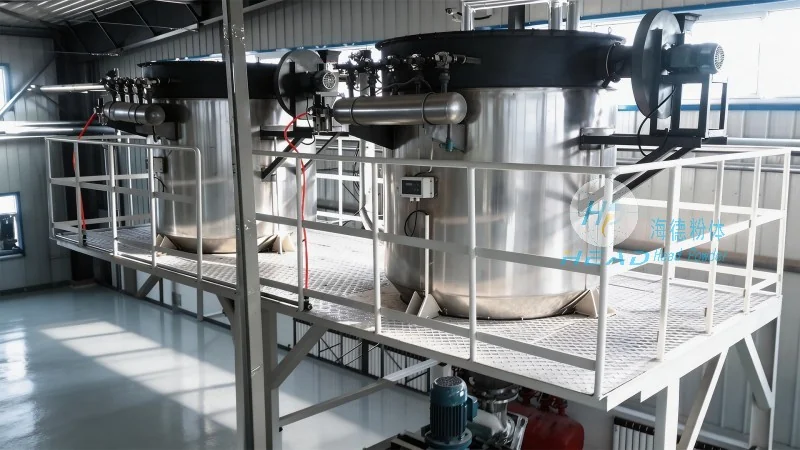
Shandong HeadPowder Engineering Co., Ltd., operating under the brand name headpowder, is a leading manufacturer specializing in the design and production of powder handling equipment. With a focus on innovation and quality, the company has established itself as a trusted partner in the food processing industry. Headpowder's expertise lies in creating customized solutions tailored to the specific needs of clients, ensuring that their equipment meets the highest standards of efficiency, safety, and reliability. The company's headquarters is located in Shandong, China, where it leverages advanced technology and skilled engineering to deliver top-tier products to global markets.




