Biomass pneumatic conveying systems are essential equipment in modern industrial processes, particularly in the handling and transportation of bulk materials like wood chips, sawdust, and other organic powders. These systems utilize air pressure or vacuum to move materials from one location to another, offering a flexible and efficient solution for material handling challenges. Understanding the fundamental design principles behind these systems is crucial for optimizing performance, ensuring safety, and maximizing operational efficiency.
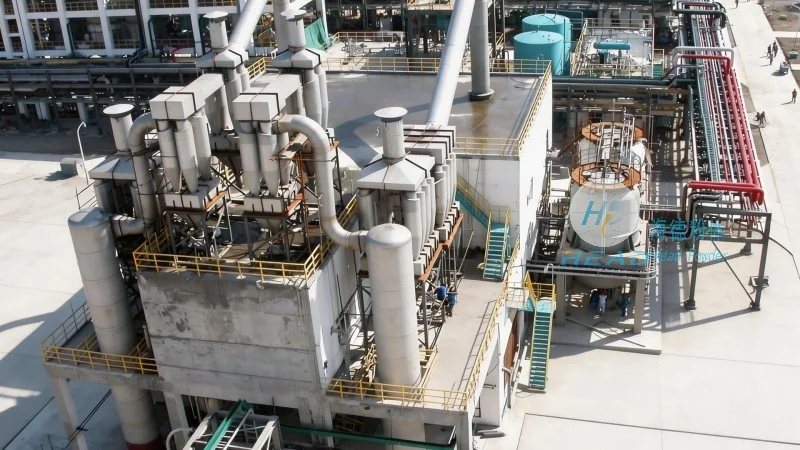
Introduction to Biomass Pneumatic Conveying Systems
A biomass pneumatic conveying system is a mechanical system designed to transport solid materials, such as biomass feedstocks, through a pipeline using air as the conveying medium. Unlike traditional mechanical conveyors, which rely on physical contact and friction to move materials, pneumatic systems use air pressure to create a flow of material particles suspended in the air stream. This method is particularly advantageous for handling lightweight, dusty, or abrasive biomass materials that are difficult to transport using conventional methods.
The primary components of a typical biomass pneumatic conveying system include a material feed hopper, a conveying pipeline, a blower or vacuum pump, and a discharge unit. The system operates by introducing the biomass material into the hopper, where it is then fed into the pipeline. The blower generates the necessary air pressure or vacuum to propel the material through the pipeline to the discharge point. The design of each component plays a critical role in the overall efficiency and reliability of the system.
Understanding the Core Design Principles
The design principles of biomass pneumatic conveying systems are centered around achieving optimal material flow, minimizing pressure drop, and ensuring system stability. Key design considerations include the selection of appropriate air velocity, pipeline diameter, and material characteristics. The air velocity must be high enough to keep the material particles suspended but low enough to prevent excessive wear on the pipeline and components. The pipeline diameter is typically determined based on the material's bulk density and the required flow rate, ensuring that the system can handle the desired throughput without excessive energy consumption.
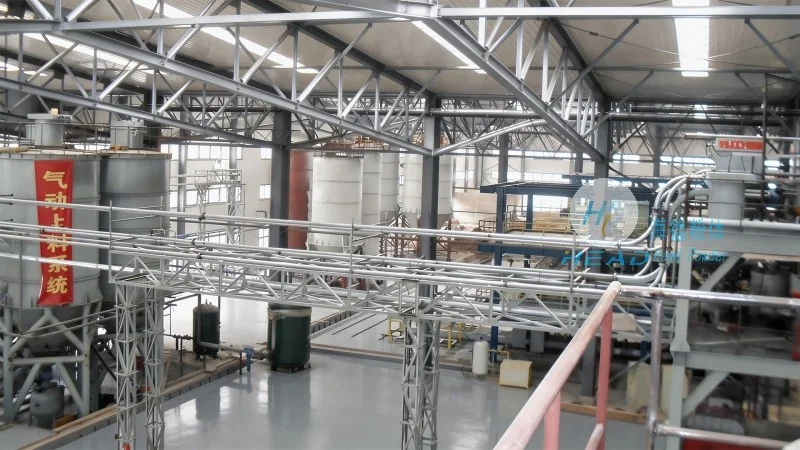
Another critical design principle is the prevention of material buildup and blockages in the pipeline. This is achieved through the use of appropriate bends, elbows, and expansion joints that allow for smooth material flow and prevent the accumulation of material particles. The system also incorporates safety features, such as pressure relief valves and vacuum breakers, to protect against overpressure or vacuum conditions that could damage the equipment or pose a safety risk.
Key Components and Their Functions
The material feed hopper is the starting point of the conveying process, where biomass material is stored and prepared for transport. It is designed to maintain a consistent material level and prevent material spillage or contamination. The hopper typically includes a feeder mechanism, such as a rotary valve or a screw conveyor, which controls the flow rate of material into the pipeline. The feeder must be capable of handling the specific characteristics of the biomass material, such as its moisture content, particle size, and abrasiveness.
The conveying pipeline is the main pathway for material transport, and its design is critical to system performance. The pipeline is usually made of durable materials, such as stainless steel or high-density polyethylene, to withstand the abrasive nature of biomass particles and the effects of air pressure. The diameter of the pipeline is determined based on the material's flow characteristics and the required air velocity. The pipeline may include various components, such as bends, elbows, and expansion joints, to direct the material flow and accommodate changes in direction or elevation.
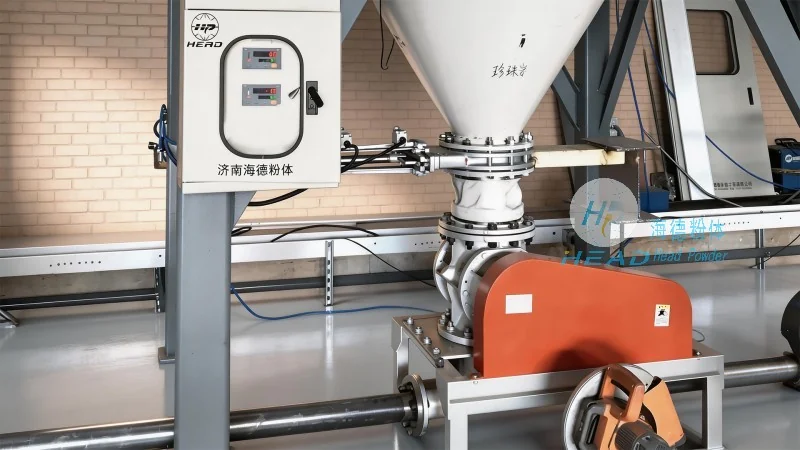
The blower or vacuum pump is the power source of the pneumatic system, responsible for generating the air pressure or vacuum needed to move the material. The type of blower (positive displacement or centrifugal) and its capacity are selected based on the system's requirements, including the material's bulk density, flow rate, and pipeline length. The blower must be capable of maintaining the necessary air pressure or vacuum throughout the conveying process, ensuring consistent material transport.
The discharge unit is the endpoint of the conveying system, where the material is released from the pipeline. It is designed to handle the material's characteristics and prevent spillage or contamination. The discharge unit may include a hopper or a storage bin, which collects the material and prepares it for further processing or use. The design of the discharge unit is critical to ensure that the material is discharged smoothly and without causing blockages or damage to downstream equipment.
Application Scenarios and Benefits
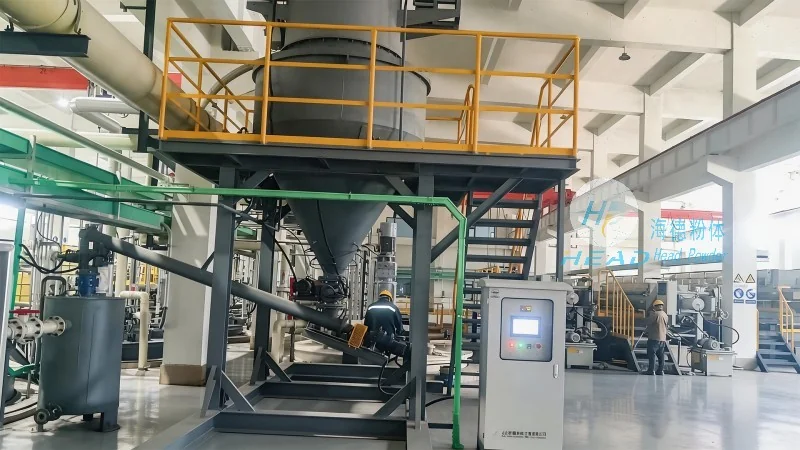
Biomass pneumatic conveying systems are widely used in various industries, including the wood processing, bioenergy, and agricultural sectors. In the wood processing industry, these systems are used to transport wood chips, sawdust, and other wood byproducts from storage facilities to processing plants. In the bioenergy sector, they are used to transport biomass feedstocks to biomass boilers or gasifiers for energy production. In the agricultural sector, they are used to transport agricultural residues, such as corn stalks or wheat straw, to processing facilities for biofuel production.
The benefits of using biomass pneumatic conveying systems include improved material handling efficiency, reduced labor costs, and enhanced safety. The systems are capable of transporting materials over long distances and through complex layouts, making them ideal for large-scale industrial applications. Additionally, pneumatic systems are less prone to material contamination compared to mechanical conveyors, which is particularly important for food and pharmaceutical applications.
About HeadPowder Engineering Co., Ltd.
HeadPowder Engineering Co., Ltd., a leading manufacturer of biomass processing equipment, specializes in the design, manufacturing, and installation of high-quality pneumatic conveying systems for biomass applications. With years of experience in the industry, HeadPowder has developed a range of innovative and reliable systems that meet the diverse needs of its customers. The company's headquarters is located in Shandong, China, and it serves clients worldwide with its expertise in biomass processing technology.




