When it comes to the efficient and reliable transportation of pigment granules in industrial settings, the pigment granule pneumatic conveying line stands out as a critical solution. This system is engineered to handle the unique challenges associated with moving these materials, ensuring optimal performance and minimal downtime. Understanding both the functionality and the underlying design principles of such a line is essential for industries that rely on consistent colorant delivery in their production processes.
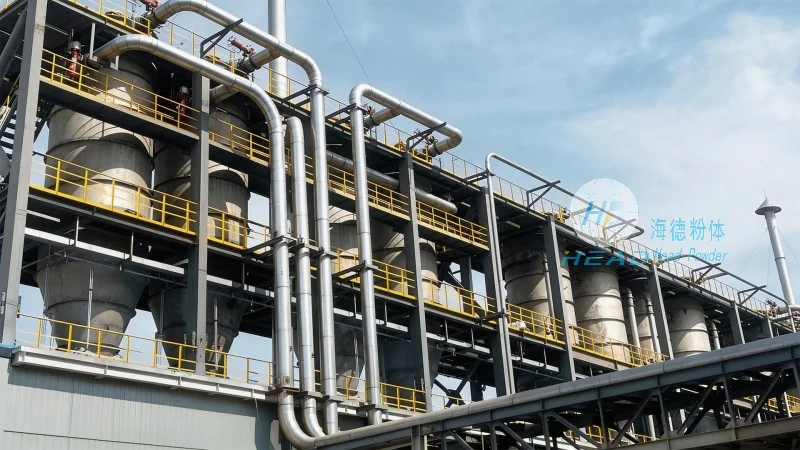
Pigment Granule Pneumatic Conveying Line: An Overview
A pigment granule pneumatic conveying line is a specialized system designed to transport pigment granules from one location to another using air pressure or vacuum. These systems are widely used in various industries, including plastics, coatings, and inks, where precise and controlled movement of colorants is paramount. The primary goal of this technology is to achieve efficient material handling while maintaining the integrity of the pigment granules, preventing degradation or contamination during the conveying process.
HeadPowder: A Leading Provider of Pneumatic Conveying Solutions
At Shandong HeadPowder Engineering Co., Ltd., we specialize in the design, manufacturing, and installation of advanced pneumatic conveying systems tailored to the specific needs of our clients. Our company, based in Shandong, China, has built a reputation for delivering high-quality solutions that meet the most demanding industrial requirements. With years of experience in the field, HeadPowder has become a trusted partner for businesses seeking reliable and efficient pigment granule transportation solutions.
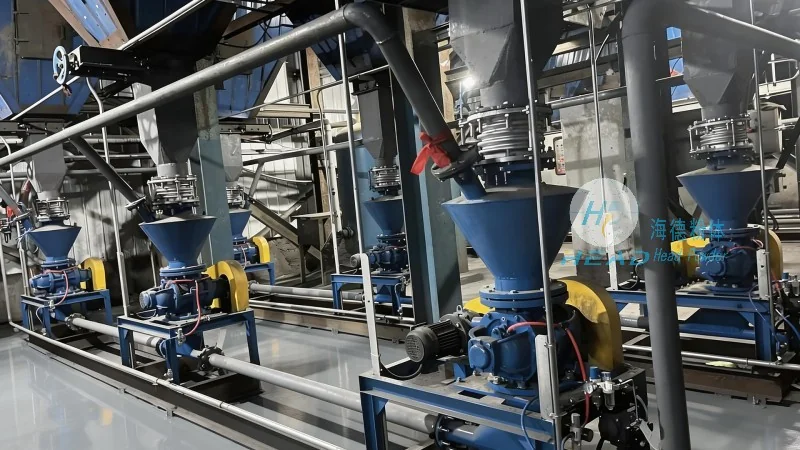
The Core Design Principles of Pigment Granule Pneumatic Conveying Lines
The design of a pigment granule pneumatic conveying line is based on several key principles that ensure its effectiveness and durability. The first principle is the selection of appropriate air flow rates and pressure levels. This is crucial as it directly impacts the conveying capacity and the ability to handle different types of pigment granules, whether they are fine powders or larger granules. The system must be capable of maintaining a consistent flow of air to prevent blockages and ensure smooth material movement.
Another critical design principle is the choice of components, such as the material of construction for the conveying pipes and the type of air valves used. These components must be resistant to the chemical properties of the pigment granules and the abrasive nature of the material being transported. At HeadPowder, we prioritize the use of high-quality materials that can withstand the rigors of industrial use, ensuring long-term performance and minimal maintenance.
System Components and Their Functions
A typical pigment granule pneumatic conveying line consists of several key components, each playing a vital role in the overall operation. The main components include the material feed hopper, which holds the pigment granules and controls the flow rate; the air compressor or vacuum pump, which provides the necessary pressure or suction to move the material; the conveying line itself, which transports the pigment granules through the system; and the discharge hopper, where the material is collected at the destination.
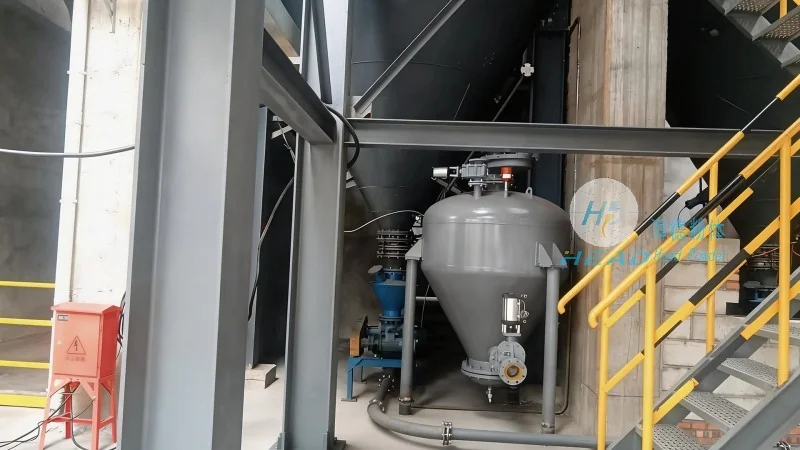
The material feed hopper is designed to regulate the amount of pigment granules entering the system, preventing overloading and ensuring a steady flow. The air compressor or vacuum pump generates the air pressure or vacuum required to move the material through the conveying line. The conveying line, often made of stainless steel or other corrosion-resistant materials, is equipped with air valves that control the direction and flow of the material. Finally, the discharge hopper collects the pigment granules at the end of the line, allowing for easy transfer to the next stage of the production process.
Advantages of Using a Pigment Granule Pneumatic Conveying Line
Implementing a pigment granule pneumatic conveying line offers numerous advantages over traditional methods of material handling. One of the most significant benefits is the ability to transport materials over long distances without the need for intermediate storage or manual handling. This not only increases efficiency but also reduces the risk of contamination and material loss. Additionally, pneumatic conveying systems are highly flexible, allowing for easy integration into existing production lines and the ability to adjust the conveying rate as needed.
Another advantage is the improved safety and hygiene. By eliminating the need for manual handling of pigment granules, the system reduces the risk of dust exposure and cross-contamination, which is particularly important in industries where color consistency and product quality are critical. Furthermore, the enclosed nature of the system helps maintain a clean and controlled environment, which is essential for meeting regulatory standards and ensuring product purity.
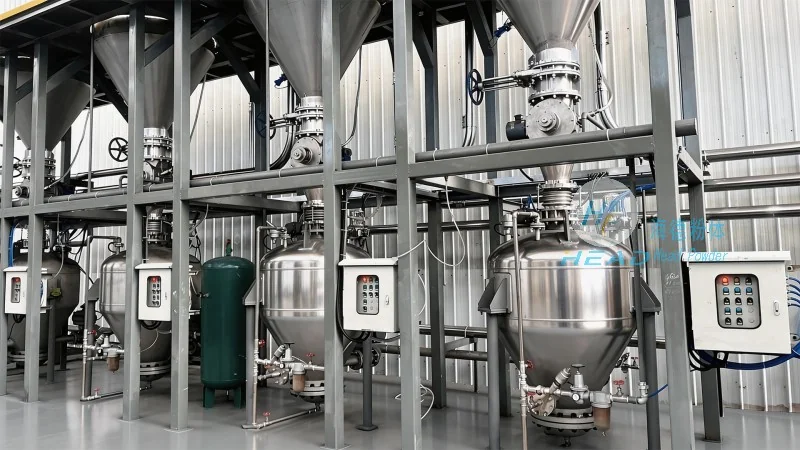
Customization and Application Flexibility
At HeadPowder, we understand that each industrial application has unique requirements. Therefore, our pneumatic conveying systems are designed to be highly customizable, allowing us to tailor the solution to the specific needs of our clients. Whether the application involves transporting fine pigment powders or larger granules, our systems can be configured to handle a wide range of materials and flow rates. This flexibility ensures that our clients receive a solution that is not only efficient but also cost-effective and easy to integrate into their existing operations.
Conclusion: The Importance of a Well-Designed Pneumatic Conveying System
In conclusion, a pigment granule pneumatic conveying line is a vital component in modern industrial operations, providing efficient and reliable transportation of pigment granules. The design principles behind these systems, combined with the quality components and customization options offered by companies like HeadPowder, ensure that industries can achieve optimal performance and maintain the highest standards of product quality. By investing in a well-designed pneumatic conveying system, businesses can enhance their operational efficiency, reduce costs, and improve overall productivity in the handling of pigment granules.




