HeadPowder, a leading engineering firm based in Shandong, China, specializes in the design, manufacturing, and installation of advanced pneumatic conveying systems. This article provides a detailed overview of the operation process and working principle of our specialized equipment for transporting potassium sulfate, a crucial fertilizer and industrial chemical.
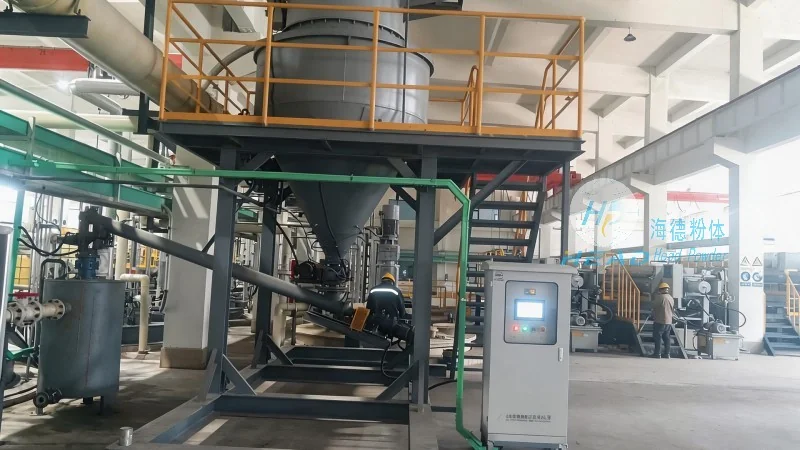
Overview of Potassium Sulfate Pneumatic Conveying Equipment
Our potassium sulfate pneumatic conveying equipment is engineered to efficiently handle the bulk transport of potassium sulfate, a white crystalline salt widely used in agriculture and chemical industries. The system combines precision engineering with robust materials to ensure reliable, low-maintenance operation under various industrial conditions. Key components include a hopper for material storage, a rotary airlock valve for controlled discharge, a conveying pipeline network, and a dust collection system to maintain air quality and comply with environmental regulations.
Key Components and Their Functions
The pneumatic conveying system for potassium sulfate consists of several interlinked components, each playing a critical role in the overall operation. The hopper serves as the primary storage vessel, holding the bulk material and feeding it to the system via a rotary airlock valve. This valve regulates the flow of potassium sulfate into the conveying line, preventing backflow and maintaining consistent material delivery. The conveying pipeline, typically made of corrosion-resistant materials such as stainless steel or PVC, transports the material using compressed air or gas as the motive force. A dust collection system, often equipped with filters and cyclones, captures any airborne particles, ensuring compliance with air quality standards and protecting the equipment from contamination.
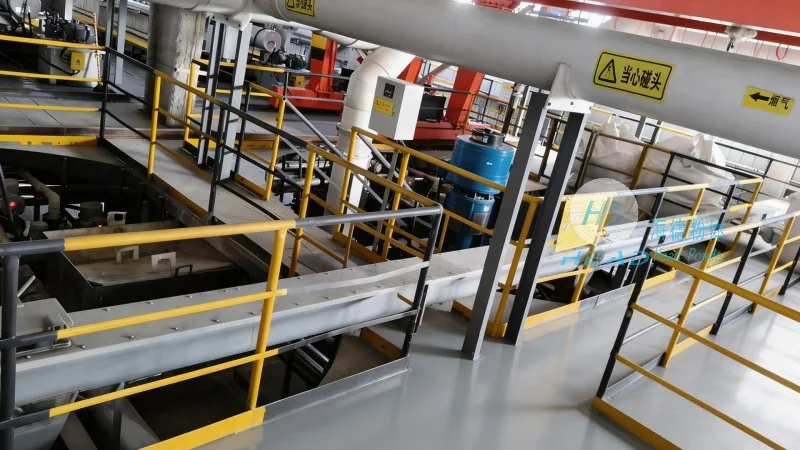
Operation Process of the Pneumatic Conveying System
The operation of the potassium sulfate pneumatic conveying equipment follows a systematic sequence to ensure efficient material transport. The process begins with the loading of potassium sulfate into the hopper. Once the hopper is filled, the rotary airlock valve opens, allowing the material to enter the conveying pipeline. Simultaneously, a compressed air system generates the necessary pressure to propel the material through the pipeline. The air and material mixture travels through the pipeline network, which may include bends, elbows, and expansion joints designed to accommodate the flow dynamics. At the receiving end, a rotary airlock valve or a dust collector captures the material, separating it from the air stream. The air is then filtered and released, while the potassium sulfate is discharged into the target container or processing unit. This continuous cycle ensures a steady and reliable flow of material, minimizing downtime and maximizing productivity.
Working Principle of the Pneumatic Conveying System
The working principle of the potassium sulfate pneumatic conveying equipment is based on the fundamental concept of pneumatic transport, where the material is suspended and carried by a moving air stream. The system operates under positive pressure, where compressed air is introduced into the conveying pipeline, creating a pressure differential that drives the material forward. The air velocity within the pipeline is maintained at a level sufficient to keep the potassium sulfate particles suspended, preventing blockages and ensuring smooth flow. The design of the hopper and rotary airlock valve is critical to prevent material bridging or caking, which could disrupt the flow. The dust collection system works in tandem with the conveying process, capturing any fine particles that may be entrained in the air stream, thus maintaining the purity of the material and protecting the environment.
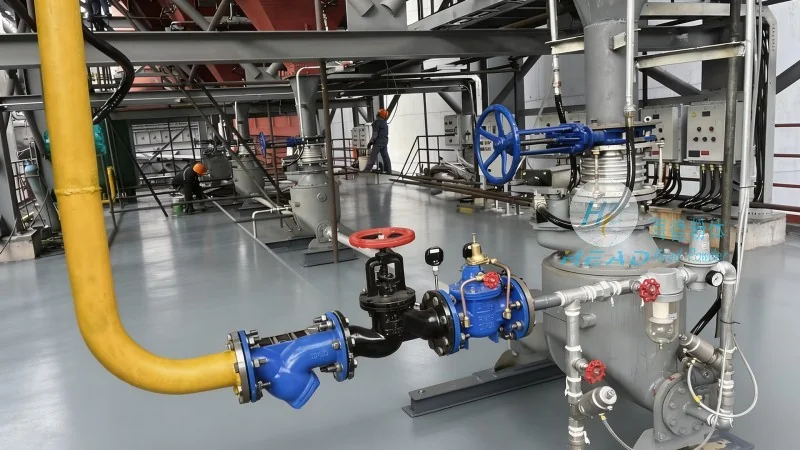
Advantages of Using Pneumatic Conveying for Potassium Sulfate
Employing pneumatic conveying technology for potassium sulfate offers several advantages over traditional methods such as belt conveyors or bucket elevators. The system provides a fully enclosed transport process, minimizing dust exposure and environmental impact. It also allows for flexible routing of the conveying pipeline, enabling the equipment to be installed in confined spaces or around existing structures. Additionally, the pneumatic system reduces the risk of material contamination, as it isolates the potassium sulfate from external elements. The low maintenance requirements and energy efficiency of the compressed air system contribute to long-term operational cost savings. Furthermore, the system can be easily integrated with other processing equipment, such as storage silos or packaging units, enhancing overall production efficiency.
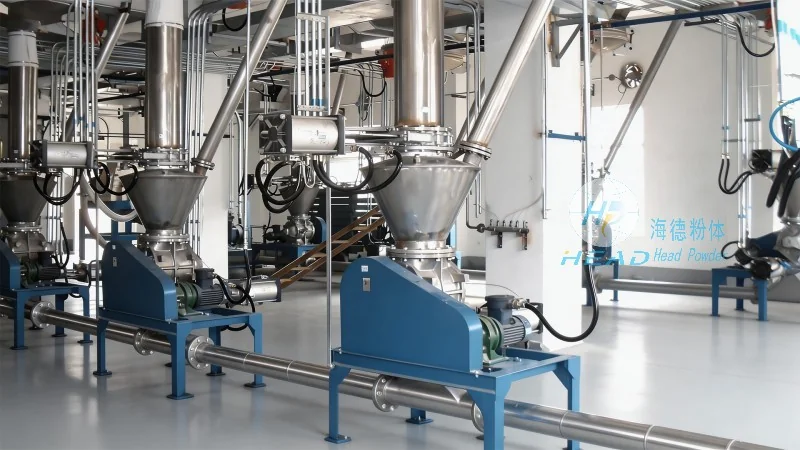
Applications and Industries Served
The potassium sulfate pneumatic conveying equipment from HeadPowder is widely used in various industries that require the bulk handling of potassium sulfate. In the agricultural sector, it is employed in fertilizer production and distribution, ensuring efficient transport of the raw material to manufacturing facilities and storage sites. In the chemical industry, the equipment is utilized in the processing of potassium sulfate for industrial applications, such as water treatment and manufacturing of other chemical products. The system is also suitable for use in food processing and pharmaceutical industries, where the purity and cleanliness of the material are paramount. HeadPowder's equipment is designed to meet the specific requirements of these industries, providing reliable and efficient material transport solutions.
Conclusion and Service Offerings
HeadPowder Engineering Co., Ltd., based in Shandong, China, is committed to delivering high-quality pneumatic conveying solutions for potassium sulfate and other bulk materials. Our expertise in engineering, manufacturing, and installation ensures that our equipment meets the highest standards of performance, reliability, and safety. We offer customized solutions tailored to the specific needs of our clients, including system design, material handling advice, and after-sales support. By leveraging our advanced technology and experienced team, we help our customers optimize their material transport processes, reduce operational costs, and enhance overall productivity. For more information about our potassium sulfate pneumatic conveying equipment and other engineering solutions, please contact us at our Shandong headquarters.




