For industrial operations that require efficient material handling, synthetic rubber pneumatic conveying systems offer a reliable solution. These systems utilize air or gas to transport bulk materials, providing a flexible and often low-cost method for moving powders, granules, and other particulate materials. As a key component in various industries, including manufacturing, food processing, and chemical production, understanding the fundamentals of these systems and their design principles is crucial for optimizing performance and ensuring safety.
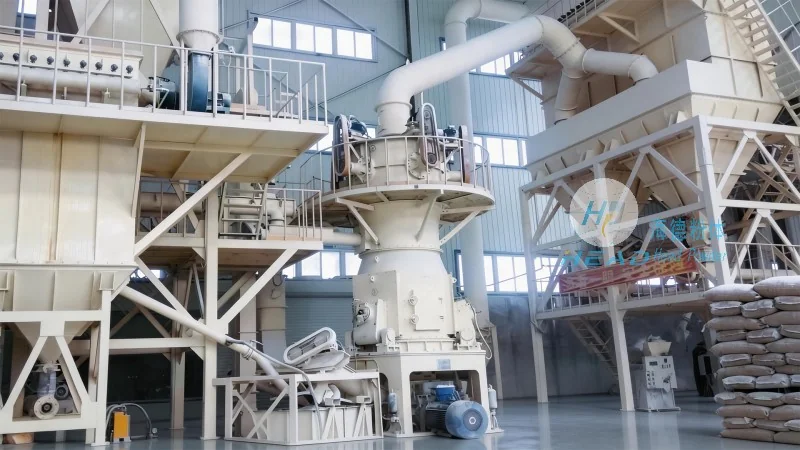
About Shandong HeadPowder Engineering Co., Ltd.
HeadPowder, a leading manufacturer based in Shandong, China, specializes in the design, manufacturing, and installation of advanced pneumatic conveying equipment. With years of experience in the industry, the company has built a reputation for producing high-quality synthetic rubber pneumatic conveying systems that meet the diverse needs of global clients. The company’s commitment to innovation and customer satisfaction has made it a trusted partner for businesses seeking efficient material handling solutions.
Core Design Principles of Synthetic Rubber Pneumatic Conveying Systems
The design of a synthetic rubber pneumatic conveying system involves several critical principles that ensure effective material transport. The first principle is the selection of appropriate air velocity and pressure, which directly impacts the system’s capacity and efficiency. Engineers must calculate the necessary air flow rate to achieve the desired conveying velocity, considering factors such as material density, particle size, and system length. Additionally, the system’s layout, including the placement of ducts, valves, and receivers, plays a vital role in minimizing pressure losses and ensuring smooth material flow.
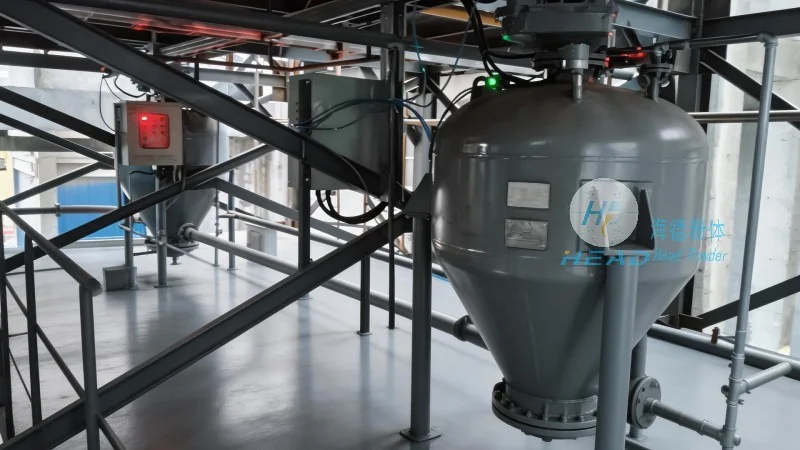
Another essential design principle is the use of synthetic rubber components, particularly in the ductwork and fittings. Synthetic rubber offers excellent flexibility, resistance to abrasion, and chemical compatibility, making it ideal for handling a wide range of materials. The material selection also affects the system’s durability and longevity, as it must withstand the mechanical stresses and environmental conditions of the application. Engineers often choose synthetic rubber based on the specific properties of the conveyed material, such as its tendency to stick or clog the system.
The system’s control mechanisms, including the use of air compressors, filters, and control valves, are also integral to its design. Proper air filtration is crucial to prevent dust accumulation and maintain system performance. The control system must be able to regulate air pressure and flow, ensuring consistent material transport and preventing overloading or underloading of the system. Advanced control technologies, such as variable frequency drives (VFDs), can further optimize energy consumption and improve operational efficiency.
Key Components and Their Functions
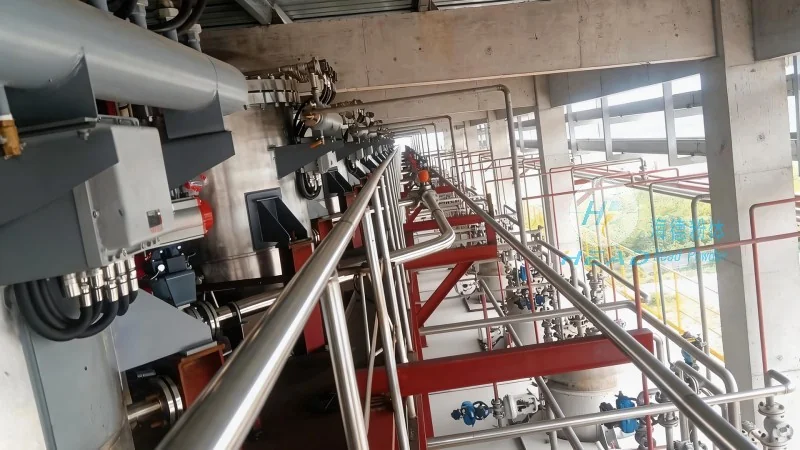
A synthetic rubber pneumatic conveying system typically consists of several key components, each playing a specific role in the material transport process. The primary components include the air compressor, which generates the necessary air pressure; the filter, which removes contaminants from the air; the ductwork, which transports the material and air; the feeders, which introduce the material into the system; and the receiver, which collects the conveyed material. Synthetic rubber is commonly used in the ductwork and fittings due to its flexibility and resistance to wear and tear.
The air compressor is responsible for providing the force needed to move the material through the system. The choice of compressor type, such as rotary or reciprocating, depends on the system’s requirements, including pressure, flow rate, and energy efficiency. The filter is critical to maintaining system performance by removing dust and other particles from the air, preventing clogging and reducing maintenance needs. The ductwork, made from synthetic rubber, is designed to handle the material and air flow while minimizing pressure losses. The feeders, such as rotary valves or screw feeders, control the rate at which material is introduced into the system, ensuring a consistent flow. The receiver, often a hopper or tank, collects the material after it has been conveyed and can be integrated with downstream processes.
Advantages and Considerations
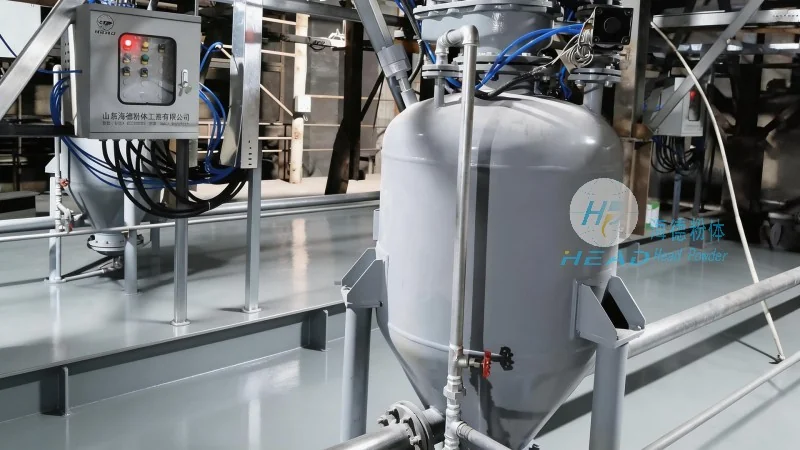
Synthetic rubber pneumatic conveying systems offer several advantages over traditional material handling methods. One of the main benefits is the ability to transport materials over long distances without the need for multiple transfer points or equipment. This reduces the risk of material contamination and improves overall efficiency. Additionally, the system is relatively compact and can be installed in various configurations, making it suitable for both new and existing facilities. The use of synthetic rubber components also provides flexibility in handling different materials, as it can accommodate a wide range of particle sizes and properties.
However, there are also considerations to keep in mind when implementing a synthetic rubber pneumatic conveying system. One of the main challenges is the potential for material buildup or clogging, especially with sticky or cohesive materials. Proper system design, including the use of appropriate feeders and duct angles, can mitigate this issue. Another consideration is the system’s energy consumption, as pneumatic conveying can be more energy-intensive than other methods. Engineers must optimize the system’s design to balance efficiency and cost. Additionally, regular maintenance is essential to ensure the system’s longevity and performance, as synthetic rubber components may degrade over time due to exposure to air, chemicals, or mechanical stress.




