Foam pneumatic conveying equipment, also known as foam air conveying systems, represents a sophisticated technology used in material handling and processing industries. This equipment is designed to transport bulk materials efficiently through a pneumatic system, utilizing a mixture of air and foam to achieve reliable and low-cost material transport. The operation of such systems involves a series of steps that ensure smooth material movement from the source to the destination, while the working principle is based on the physical properties of air and foam to create a stable conveying medium.
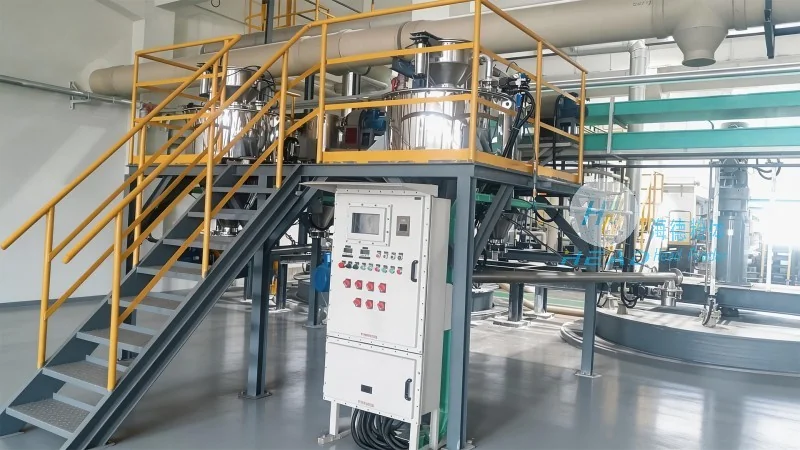
Overview of Foam Pneumatic Conveying Equipment
Foam pneumatic conveying equipment is a specialized system that integrates air compression, foam generation, and material transport mechanisms. The system typically consists of components like a foam generator, air compressor, conveying pipes, and material inlet/outlet points. These components work in coordination to create a foam-air mixture that carries the bulk material through the pipeline. The design of the equipment is tailored to handle various types of materials, including powders, granules, and fine particles, making it versatile for different industrial applications.
Key Components and Their Functions
The core components of a foam pneumatic conveying system include the foam generator, which produces the foam by mixing air with a liquid (usually water or a foaming agent); the air compressor, which supplies the necessary pressure to drive the foam-air mixture through the conveying line; the conveying pipes, which form the pathway for material transport; and the material feed and discharge units. Each component plays a critical role in ensuring the system operates efficiently and reliably. The foam generator is responsible for creating a stable foam structure that provides sufficient carrying capacity for the material, while the air compressor maintains the pressure required to move the mixture through the pipes. The conveying pipes are designed with appropriate diameters and bends to minimize pressure loss and ensure smooth flow. The material feed unit introduces the bulk material into the system, and the discharge unit collects the material at the destination.
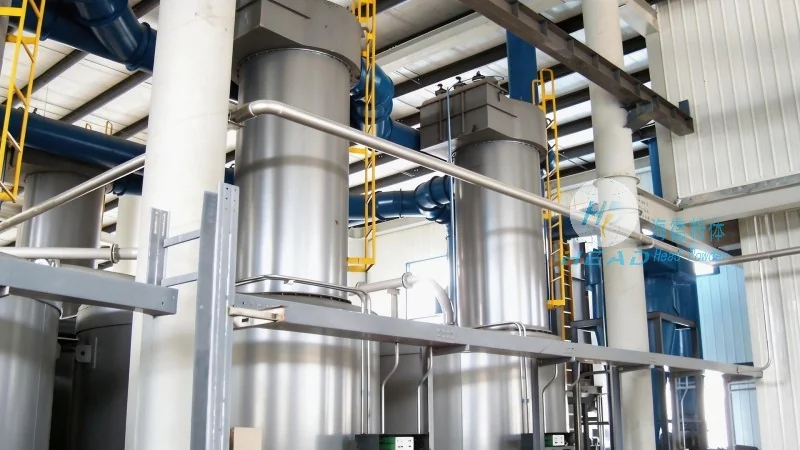
Operation Process of Foam Pneumatic Conveying
The operation process of foam pneumatic conveying equipment involves several sequential steps that ensure the material is transported safely and efficiently. First, the bulk material is fed into the system through the material inlet. Simultaneously, the foam generator produces foam by mixing air with a liquid, which is then combined with the compressed air from the compressor. The foam-air mixture is then introduced into the conveying pipes, where it carries the material particles along the pipeline. As the mixture travels through the pipes, it maintains a stable flow, preventing material settling or blockages. The system continues to transport the material until it reaches the discharge point, where the material is collected and the foam is typically separated and recycled. This process is typically automated, with control systems monitoring pressure, flow rate, and material level to ensure optimal performance.
Working Principle of Foam Pneumatic Conveying
The working principle of foam pneumatic conveying is based on the principle of fluidization and the properties of foam as a conveying medium. Foam is a stable mixture of air bubbles trapped in a liquid matrix, which provides a high specific surface area and low density. When air is mixed with the foam, it creates a lightweight, buoyant medium that can carry solid particles suspended within it. The foam-air mixture acts as a carrier, lifting and transporting the material particles through the conveying line. The key to the system's efficiency is the balance between the foam's carrying capacity and the air pressure, which ensures that the material is transported without excessive pressure loss or material degradation. The foam also helps to reduce friction between the material particles and the pipe walls, minimizing wear and tear on the equipment.
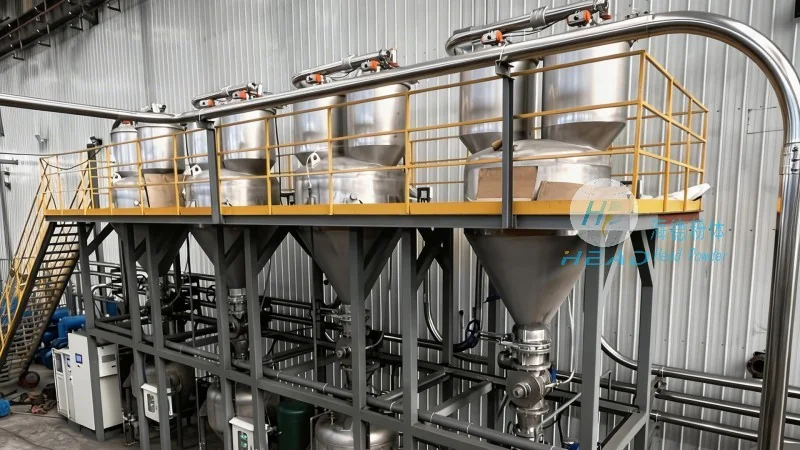
Advantages of Foam Pneumatic Conveying Equipment
Foam pneumatic conveying equipment offers several advantages over traditional pneumatic conveying systems. One of the primary benefits is its ability to transport materials over long distances with minimal pressure loss, making it suitable for applications where material transport is required across large facilities or between different buildings. The foam medium also provides a gentle handling of the material, reducing the risk of material degradation, breakage, or segregation. This is particularly important for delicate materials like pharmaceutical powders, food products, or fine chemicals. Additionally, the system is energy-efficient compared to other conveying methods, as the foam-air mixture requires less air pressure to achieve the same conveying capacity. The foam can also be recycled and reused, reducing waste and operational costs.
Applications in Industrial Settings
Foam pneumatic conveying equipment is widely used in various industrial sectors, including pharmaceuticals, food processing, chemical manufacturing, and mining. In the pharmaceutical industry, the system is used to transport active pharmaceutical ingredients (APIs) and excipients with high precision and minimal contamination. The gentle handling of the material ensures that the product quality is maintained throughout the transport process. In food processing, the equipment is used to convey ingredients like flour, sugar, and spices, ensuring that the food products remain fresh and free from contamination. In chemical manufacturing, the system is used to transport powders and granules, such as catalysts and reagents, with high efficiency and safety. In mining, the equipment is used to transport ore and minerals from the mine to processing facilities, reducing the need for manual handling and improving operational efficiency.
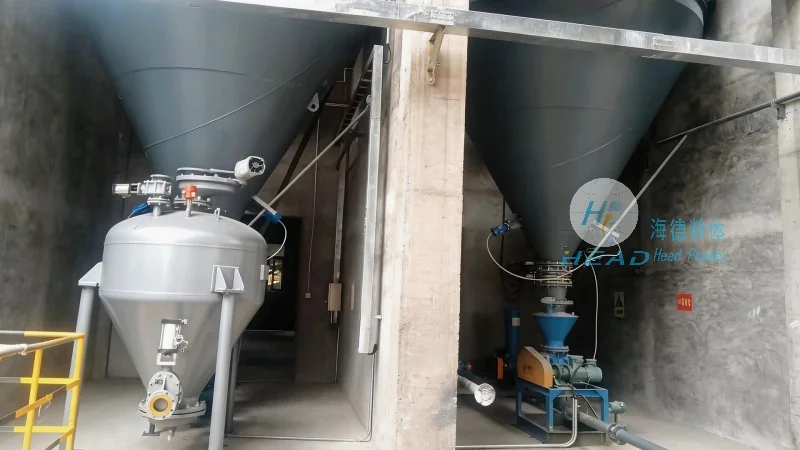
Maintenance and Operational Considerations
Proper maintenance of foam pneumatic conveying equipment is essential to ensure its long-term performance and reliability. Regular inspection of the foam generator, air compressor, and conveying pipes is necessary to detect and address any issues before they become major problems. The foam generator should be cleaned regularly to prevent clogging, and the air compressor should be checked for proper lubrication and pressure levels. The conveying pipes should be inspected for any signs of wear or damage, such as cracks or corrosion, which can affect the system's performance. Operational considerations also include monitoring the foam quality and flow rate, as changes in these parameters can impact the conveying efficiency. Additionally, the system should be operated within the recommended pressure and flow rate ranges to avoid excessive wear on the components and ensure safe operation.
Conclusion
Foam pneumatic conveying equipment is a highly effective and versatile technology for material handling in various industrial applications. The operation process involves a series of coordinated steps, from material feeding to discharge, while the working principle relies on the properties of foam to create a stable conveying medium. The equipment offers several advantages, including efficient long-distance transport, gentle material handling, and energy efficiency. With proper maintenance and operational considerations, foam pneumatic conveying systems can provide reliable and cost-effective material transport solutions for industries worldwide. As a leading manufacturer in this field, Shandong HeadPowder Engineering Co., Ltd. specializes in designing and manufacturing high-quality foam pneumatic conveying equipment tailored to meet the specific needs of various industries.




