HeadPowder, a leading provider of specialized engineering solutions, specializes in the design and implementation of efficient material handling systems for industries dealing with fine powders. Among the most critical processes in these sectors is the pneumatic conveying of microsphere powders, where the choice between positive pressure and negative pressure systems can significantly impact operational efficiency, product quality, and overall system reliability. This article provides a detailed comparison of these two primary pneumatic conveying methods, focusing on their applications, advantages, and limitations in the context of microsphere powder handling.
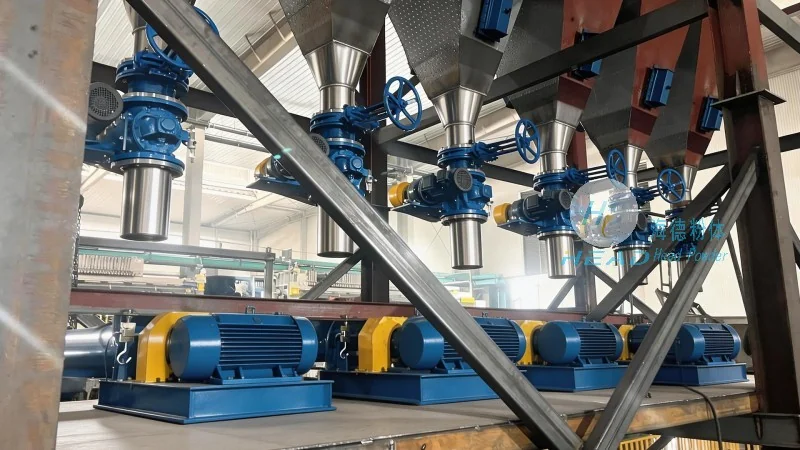
Understanding Pneumatic Conveying Systems
Pneumatic conveying is a method of transporting bulk materials, such as powders and granules, using a stream of pressurized or vacuum air. The two main categories are positive pressure and negative pressure systems. Positive pressure systems force air through the material, while negative pressure systems draw air and material into the system. Both approaches have distinct characteristics that make them suitable for different operational scenarios, particularly when handling microsphere powders, which are often sensitive to moisture, agglomeration, and contamination.
Positive Pressure Conveying for Microsphere Powders
Positive pressure conveying, also known as pressure pneumatic conveying, operates by blowing air through the material using a positive pressure source, typically a blower or compressor. This method is particularly effective for transporting microsphere powders over longer distances and through complex piping networks. The high-pressure air ensures that the material is fully suspended and transported efficiently, reducing the risk of blockages and ensuring consistent flow rates. One of the key advantages of positive pressure systems is their ability to handle abrasive or sticky powders without causing excessive wear on the system components. Additionally, these systems are generally more energy-efficient for long-distance transport, as they maintain a constant pressure throughout the pipeline.
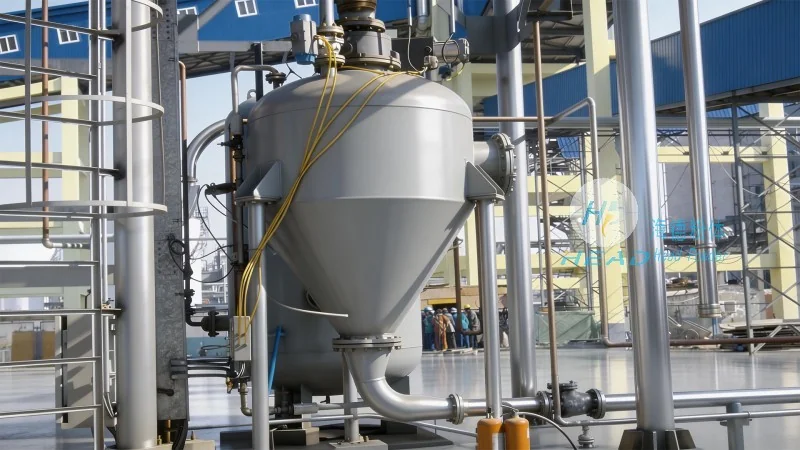
However, positive pressure conveying also has certain limitations. The high pressure can lead to increased energy consumption, and the system requires robust sealing to prevent air leakage, which may affect the material's purity if the powders are sensitive to contaminants. Moreover, the initial investment for positive pressure systems can be higher due to the need for high-capacity blowers and more durable piping. In applications involving microsphere powders, positive pressure systems are often preferred for their reliability and ability to maintain product integrity over extended periods.
Negative Pressure Conveying for Microsphere Powders
Negative pressure conveying, or vacuum pneumatic conveying, operates by creating a vacuum at the material source and drawing the powder and air into the system. This method is commonly used for short to medium-distance transport and is particularly effective when the material is to be collected from multiple points or when the source is located at a higher elevation than the destination. The vacuum system is generally less energy-intensive than its positive pressure counterpart, making it suitable for applications where energy costs are a significant concern.
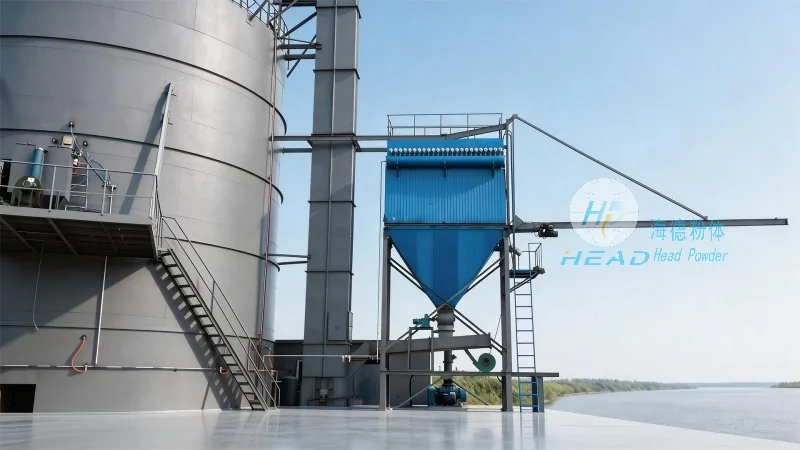
One of the primary advantages of negative pressure systems is their lower initial cost and reduced maintenance requirements. The vacuum pump is typically smaller and less powerful than the blowers used in positive pressure systems, leading to lower operational expenses. Additionally, negative pressure conveying is less likely to cause material degradation due to the lower air velocities and temperatures involved. However, negative pressure systems have notable drawbacks, especially when handling microsphere powders. The vacuum can cause the material to become more susceptible to moisture absorption, potentially leading to agglomeration or caking. Furthermore, the system is more prone to blockages and air leaks, which can disrupt the flow and require more frequent maintenance. For microsphere powders that are highly sensitive to environmental conditions, negative pressure systems may not be the optimal choice.
Key Differences and Selection Criteria
When deciding between positive and negative pressure conveying for microsphere powders, several factors must be considered. The distance between the source and destination is a critical determinant. Positive pressure systems are generally more suitable for longer distances, while negative pressure systems are better for shorter distances or when the material needs to be collected from multiple points. The nature of the microsphere powder itself also plays a significant role. Powders that are abrasive, sticky, or prone to moisture absorption may benefit from the controlled environment of a positive pressure system. Conversely, powders that are less sensitive and require lower energy consumption might be better suited for negative pressure systems.
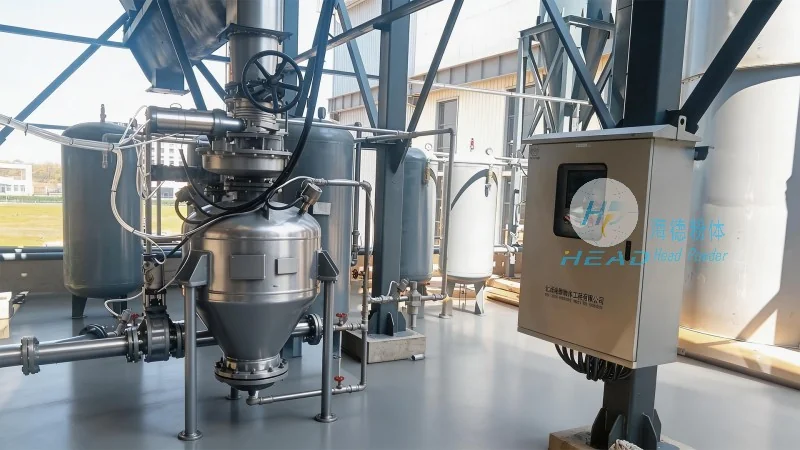
The operational environment and available space are also important considerations. Positive pressure systems require more space for the blower and piping, while negative pressure systems are more compact and can be integrated into existing facilities with minimal modifications. The cost of installation and maintenance is another key factor. Positive pressure systems have higher upfront costs but lower long-term maintenance due to their robust design. Negative pressure systems, while cheaper to install, may incur higher maintenance costs over time due to the need for more frequent component replacement.
Conclusion
Both positive pressure and negative pressure pneumatic conveying methods offer viable solutions for handling microsphere powders, each with its own set of advantages and limitations. The choice between the two depends on the specific requirements of the application, including distance, material properties, energy costs, and operational constraints. HeadPowder Engineering Co., Ltd., based in Shandong, China, specializes in designing customized pneumatic conveying systems tailored to the unique needs of microsphere powder handling. By understanding the nuances of each system, businesses can select the most efficient and reliable method to ensure consistent product quality and operational performance.




