Millet, a staple crop in many regions, requires efficient and reliable handling systems to ensure smooth processing from field to storage or further production stages. Pneumatic conveying systems have emerged as a preferred solution for transporting millet due to their ability to handle fine particles, minimize dust, and maintain product quality. However, the design of such systems demands careful consideration of various factors to achieve optimal performance, energy efficiency, and durability. This article outlines key design considerations for millet pneumatic conveying systems, emphasizing practical insights that can enhance system effectiveness and longevity.
Key Design Considerations for Millet Pneumatic Conveying
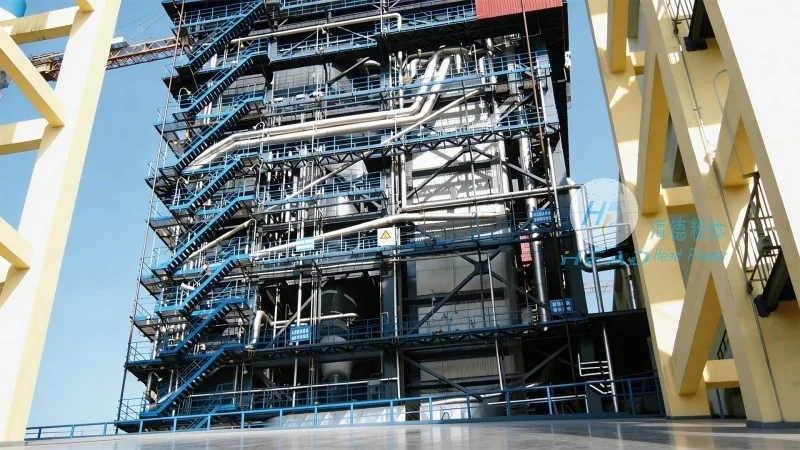
When designing a millet pneumatic conveying system, several critical factors must be evaluated to ensure the system operates efficiently and meets operational requirements. The first consideration is the type of pneumatic conveying system—whether it is a pressure or vacuum system. Pressure systems are generally more suitable for short to medium distances and high flow rates, as they use compressed air to push the material through the pipeline. Vacuum systems, on the other hand, are ideal for longer distances or when the material needs to be drawn from multiple points. For millet, which is often handled in bulk, a pressure system may be preferred due to its ability to handle larger quantities and maintain consistent flow rates.
Another crucial aspect is the selection of the conveying medium. Compressed air is the most common medium, but the choice of air pressure and flow rate significantly impacts system performance. Higher air pressure can increase conveying capacity but may also lead to higher energy consumption and potential wear on components. It is essential to balance these factors to achieve the best cost-effectiveness. Additionally, the air quality must be considered, as contaminants in the air can affect the millet's quality and the system's longevity. Filtration systems should be integrated to remove moisture, dust, and other particles from the air before it enters the conveying line.
Material Handling and Equipment Selection
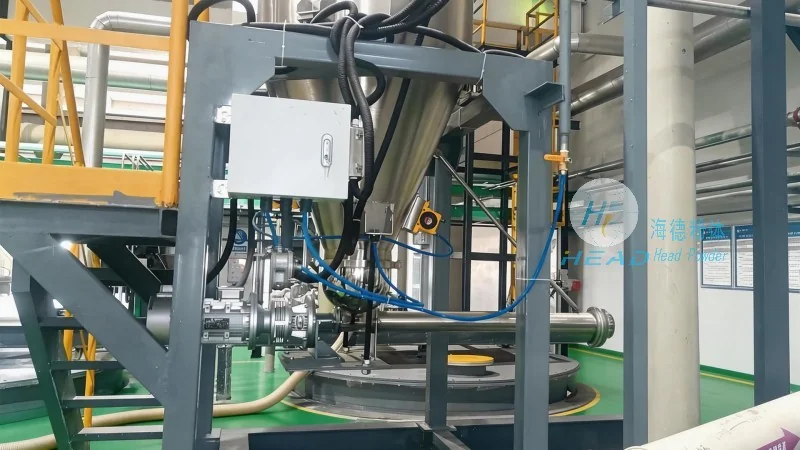
The choice of equipment in a millet pneumatic conveying system directly impacts its performance and maintenance requirements. The hopper or feeder is the first point of contact for the millet, and its design must prevent material bridging or clogging, which are common issues with fine particles like millet. A well-designed hopper with appropriate aeration and discharge mechanisms ensures a consistent flow of material into the conveying line. The feeder, such as a rotary valve or a screw feeder, should be selected based on the material's characteristics and the required flow rate. For millet, which can be prone to static electricity, anti-static measures should be incorporated into the hopper and feeder to prevent material buildup and ensure safe operation.
The pipeline system is another critical component. The material of construction, such as stainless steel or galvanized steel, must be chosen based on the millet's properties and the system's operating environment. Stainless steel is preferred for its corrosion resistance and hygiene, which is essential for food-grade applications. The pipeline diameter and length are also important considerations. A larger diameter reduces pressure drop and energy consumption but increases material cost. The length of the pipeline affects the overall system design, as longer pipelines may require additional air boosters or larger fans to maintain sufficient pressure.
System Integration and Control
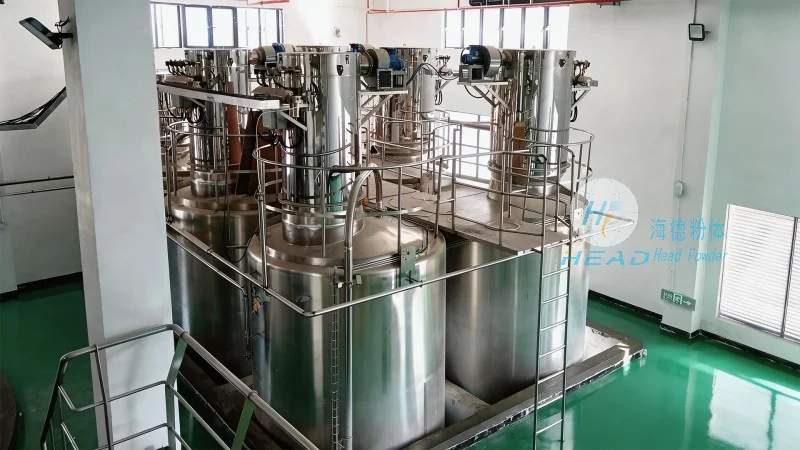
Effective integration of the pneumatic conveying system with other processing equipment is vital for seamless operation. The system should be designed to interface with the receiving and discharge points, such as silos, storage bins, or processing machines. This integration ensures that the millet is transferred efficiently without bottlenecks. Control systems play a crucial role in managing the operation of the pneumatic conveying system. Automated controls can adjust the air pressure, flow rate, and material feed rate based on real-time conditions, optimizing performance and reducing energy waste. For millet processing facilities, where consistency is key, a well-designed control system can help maintain product quality and minimize downtime.
Monitoring and maintenance are also essential for the long-term performance of the system. Regular inspection of components, such as filters, valves, and pipelines, is necessary to prevent issues before they become major problems. The use of sensors to monitor pressure, flow, and temperature can provide early warnings of potential failures, allowing for timely maintenance. Additionally, the system should be designed with easy access points for maintenance personnel, reducing downtime and increasing operational efficiency.
Energy Efficiency and Environmental Considerations
Energy efficiency is a significant factor in the design of millet pneumatic conveying systems, as high energy consumption can increase operational costs. The selection of the right equipment, such as high-efficiency fans and air compressors, can reduce energy usage. Additionally, optimizing the system design, such as minimizing pipeline length and using the appropriate diameter, can lower energy consumption. The use of variable frequency drives (VFDs) for fans and compressors allows for adjustable speed control, further reducing energy waste during periods of low demand.
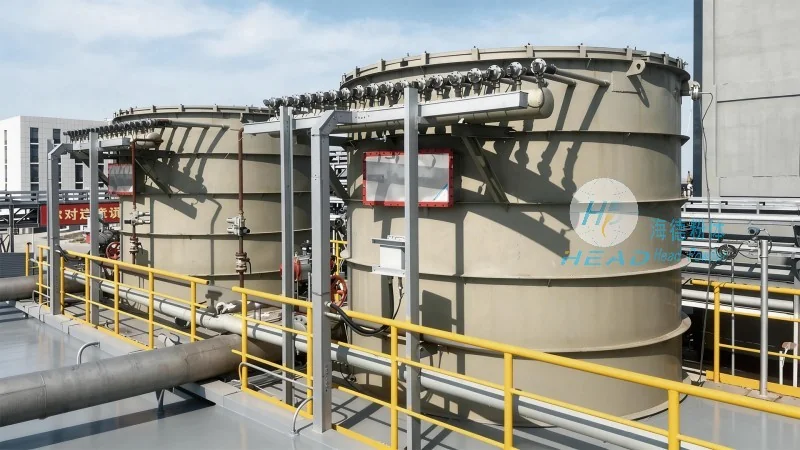
Environmental considerations are also important, especially for food processing applications. The system should be designed to minimize dust emissions and noise levels. Dust collection systems, such as cyclones or bag filters, can be integrated to capture and remove dust from the air, ensuring compliance with environmental regulations and maintaining a safe working environment. Noise reduction measures, such as soundproof enclosures or mufflers, can also be implemented to reduce noise levels and improve the working conditions for personnel.
Conclusion and Company Overview
Designing an effective millet pneumatic conveying system requires careful consideration of various factors, including system type, equipment selection, integration, and energy efficiency. By addressing these considerations, operators can ensure that their system performs optimally, maintains product quality, and reduces operational costs. Shandong HeadPowder Engineering Co., Ltd., a leading provider of engineering solutions, specializes in designing and manufacturing pneumatic conveying systems tailored to the needs of the agricultural and food processing industries. With a focus on quality, efficiency, and customer satisfaction, HeadPowder offers comprehensive solutions that meet the unique requirements of millet handling. The company's expertise in system design, material selection, and integration ensures that clients receive reliable and durable systems that enhance their operational performance. Based in Shandong, China, HeadPowder serves a wide range of industries, providing customized solutions that contribute to the success of their clients' businesses.




