When designing a rubber powder pneumatic conveying system, several critical factors must be considered to ensure efficient and reliable operation. These considerations encompass system capacity, pressure requirements, pipeline design, and equipment selection, all of which are essential for maintaining optimal performance and minimizing operational issues.
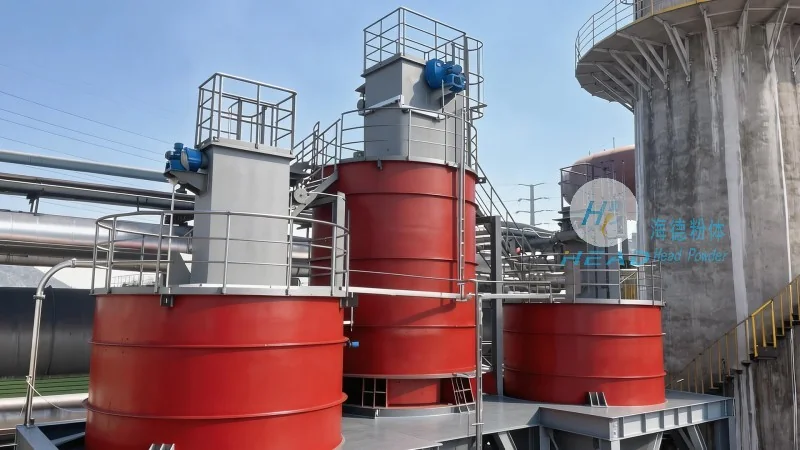
System Capacity and Material Characteristics
The first step in designing a rubber powder pneumatic conveying system involves evaluating the material's properties and the required throughput. Rubber powder, with its specific density, flowability, and particle size distribution, demands a tailored approach to ensure proper air-solid interaction. The system's capacity must align with production needs, whether for bulk handling or precise dosing applications. At Shandong HeadPowder Engineering Co., Ltd., our expertise lies in understanding these material characteristics and translating them into effective system designs that meet client requirements.
Pressure and Airflow Management
Pressure is a pivotal factor in pneumatic conveying systems, as it directly influences the ability to transport rubber powder through pipelines. Positive pressure systems, which use compressed air to push material, are commonly employed for rubber powder due to their suitability with abrasive or sticky materials. The pressure levels and airflow rates must be carefully calculated to avoid blockages or excessive energy consumption. Our engineers at headpowder utilize advanced computational fluid dynamics (CFD) and empirical data to determine optimal pressure points and airflow velocities, ensuring the system operates within safe and efficient parameters.
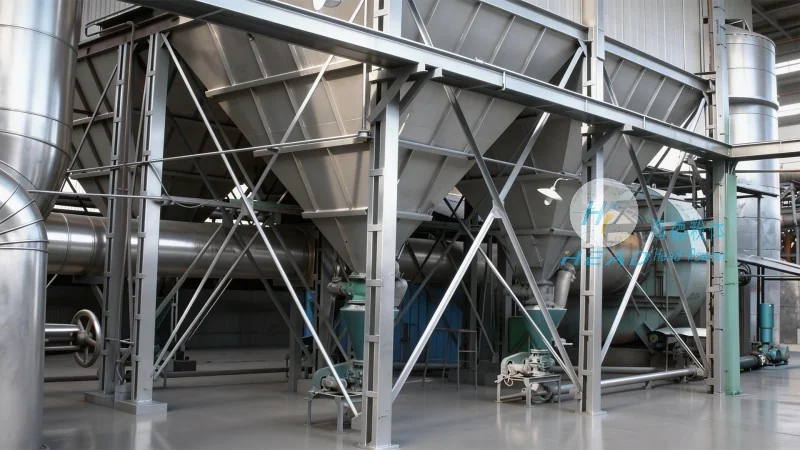
Pipeline Design and Material Compatibility
Pipeline design is another critical aspect, as the choice of materials and pipe dimensions directly impacts system longevity and performance. Rubber powder can be corrosive or abrasive, so selecting pipelines made from durable materials like stainless steel or specialized coatings is essential. Additionally, the pipe diameter and length must be optimized to maintain consistent air velocity, preventing material settling or clogging. Our team at Shandong HeadPowder Engineering Co., Ltd. considers these factors in conjunction with the material's behavior to design pipelines that are both functional and long-lasting.
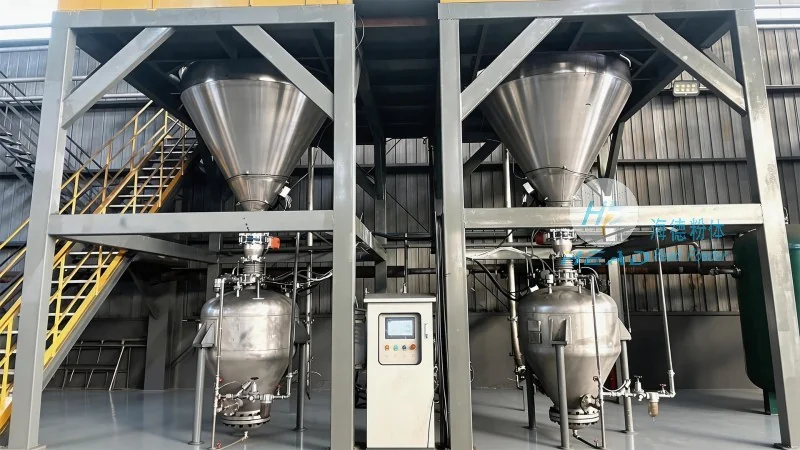
Equipment Selection and Integration
The selection of components such as feeders, cyclones, and air compressors is integral to the system's success. Feeders must be capable of handling the specific flow characteristics of rubber powder, ensuring a steady supply to the conveying line. Cyclones, used for separation and recovery, need to be designed to handle the material's density and particle size. Air compressors must provide sufficient pressure and volume to drive the system without excessive wear. At headpowder, we integrate these components seamlessly, ensuring each part works in harmony to achieve the desired conveying efficiency.
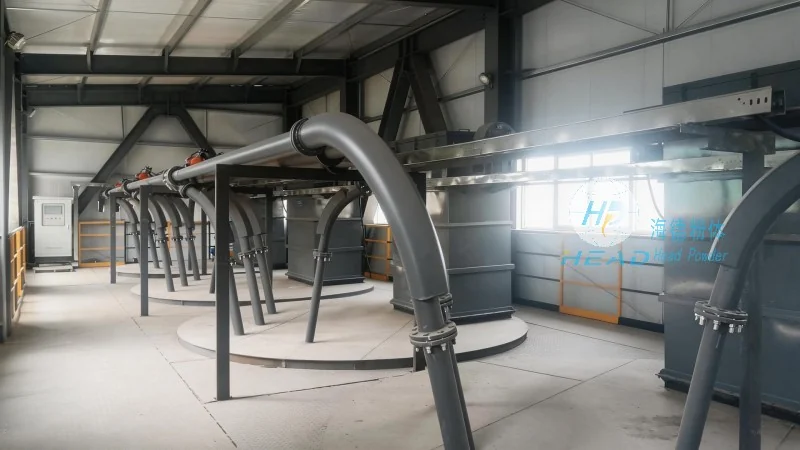
Maintenance and Operational Considerations
Proper maintenance is vital for the longevity of a rubber powder pneumatic conveying system. Regular cleaning of pipelines and equipment, monitoring pressure and flow rates, and inspecting for wear are essential practices. At Shandong HeadPowder Engineering Co., Ltd., we emphasize preventive maintenance to minimize downtime and extend the system's lifespan. Our expertise in system design also includes providing guidance on operational protocols to ensure safe and efficient handling of rubber powder.
Customization and Application-Specific Solutions
Every rubber powder application is unique, and a one-size-fits-all approach is insufficient. Whether for industrial processing, recycling, or material handling in manufacturing, the system must be customized to meet specific needs. Our team at headpowder works closely with clients to understand their processes and requirements, developing tailored solutions that enhance productivity and reduce operational costs. From small-scale laboratory setups to large-scale industrial installations, we provide comprehensive designs that align with the client's goals.




