For industrial operations in the sugar industry, efficient and reliable material handling is crucial. Pneumatic conveying systems offer a solution that can enhance productivity while reducing operational costs. This article explores key design considerations for sugar pneumatic conveying systems, ensuring optimal performance and longevity.
About HeadPowder Engineering Co., Ltd.
HeadPowder, a leading provider of engineering solutions, specializes in the design and implementation of pneumatic conveying systems tailored to the sugar industry. With a focus on precision and durability, our team at Shandong HeadPowder Engineering Co., Ltd. based in China, delivers customized solutions that meet the unique demands of sugar processing facilities. Our expertise in material handling technology ensures that each system is engineered to handle the specific challenges of sugar transport, from raw cane to refined products.
Key Design Considerations for Sugar Pneumatic Conveying
When designing a pneumatic conveying system for sugar, several critical factors must be addressed to ensure efficiency and reliability. The first consideration is the type of system selected, as different configurations are suited to varying production scales and material characteristics. For sugar, which is often in granular or powdered form, a positive pressure system is commonly preferred due to its ability to handle fine powders without clogging. This system uses a blower to generate air pressure that propels the sugar through the pipeline, ensuring consistent flow and preventing material degradation.
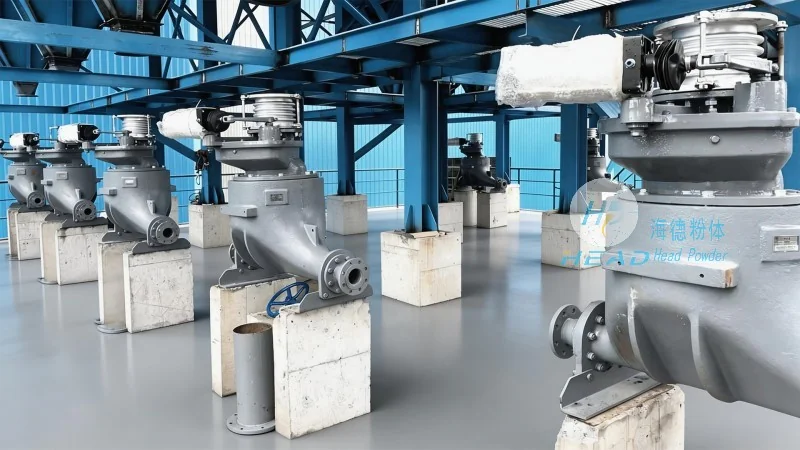
Another crucial aspect is the design of the pipeline network. Proper sizing of the pipes is essential to maintain adequate air velocity, which prevents sugar particles from settling and clogging the system. The velocity of the air relative to the sugar particles must be maintained above a critical threshold to avoid particle deposition. Additionally, the use of smooth, non-porous materials for the pipeline, such as stainless steel or high-density polyethylene, is vital to prevent sugar buildup and facilitate cleaning. HeadPowder engineers recommend regular inspection and maintenance of the pipeline to ensure that any potential blockages are addressed promptly.
Pressure Management and Control Systems
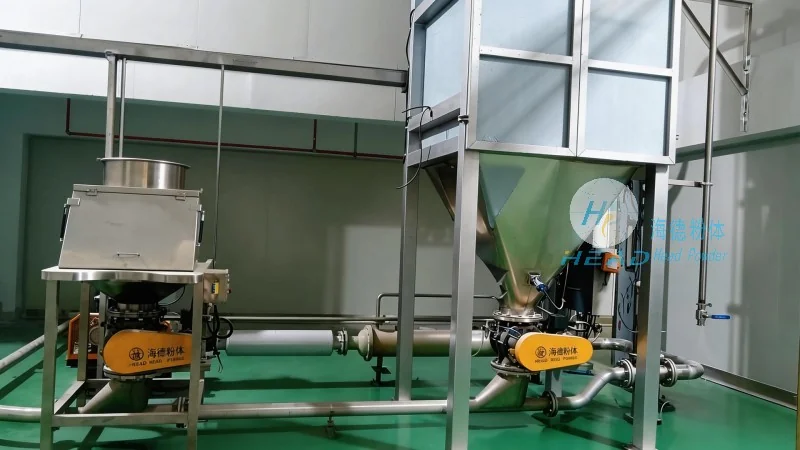
Effective pressure management is a cornerstone of successful sugar pneumatic conveying. The system must be equipped with robust pressure control devices, including regulators and valves, to maintain consistent air pressure throughout the conveying process. This ensures that the sugar flows smoothly without experiencing surges or drops in pressure that could lead to clogging or material loss. The control system should also include sensors to monitor pressure levels in real-time, allowing for immediate adjustments if deviations occur. This proactive approach to pressure management minimizes downtime and enhances the overall efficiency of the system.
Material Selection and Equipment Durability
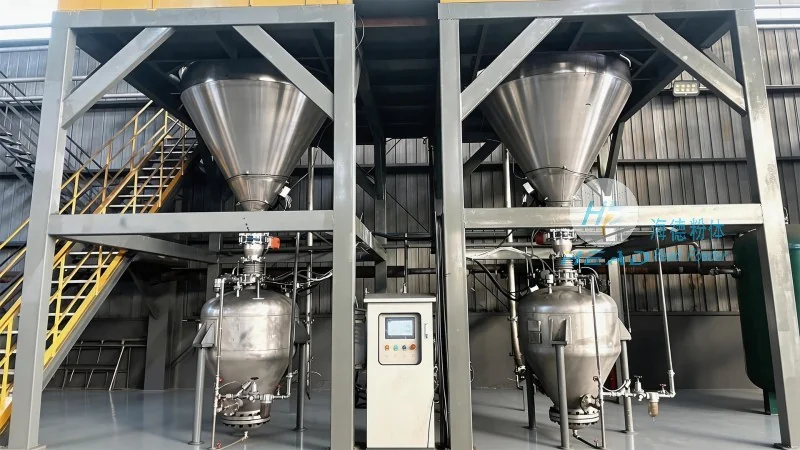
Choosing the right materials for the components of the pneumatic conveying system is critical to its longevity and performance. Sugar is a hygroscopic material, meaning it can absorb moisture from the air, which may affect its quality and processing characteristics. Therefore, the system components, such as the blower, ducts, and valves, must be made from materials that are resistant to corrosion and moisture. Stainless steel is often preferred for its corrosion resistance and ability to maintain a clean surface, reducing the risk of sugar adhesion and contamination. Additionally, the use of wear-resistant coatings on the internal surfaces of the pipeline can extend the life of the system and reduce maintenance costs.
Maintenance and Operational Best Practices
Regular maintenance is essential to keep a sugar pneumatic conveying system operating at peak efficiency. HeadPowder recommends a preventive maintenance schedule that includes inspections of the blower, pipeline, and control systems. This schedule should be tailored to the specific operating conditions of the facility, taking into account the volume of sugar being transported and the frequency of use. Additionally, cleaning the system after each use is crucial to prevent sugar buildup, which can lead to clogging and reduced performance. The use of cleaning agents and tools designed for sugar handling ensures that the system remains in optimal condition. By following these best practices, facilities can maximize the lifespan of their pneumatic conveying systems and minimize operational disruptions.




