When designing a pneumatic conveying system for chili peppers, several critical factors must be considered to ensure efficient operation, product quality preservation, and system longevity. This article outlines key design considerations tailored to the unique characteristics of chili peppers and the requirements of industrial processing applications.
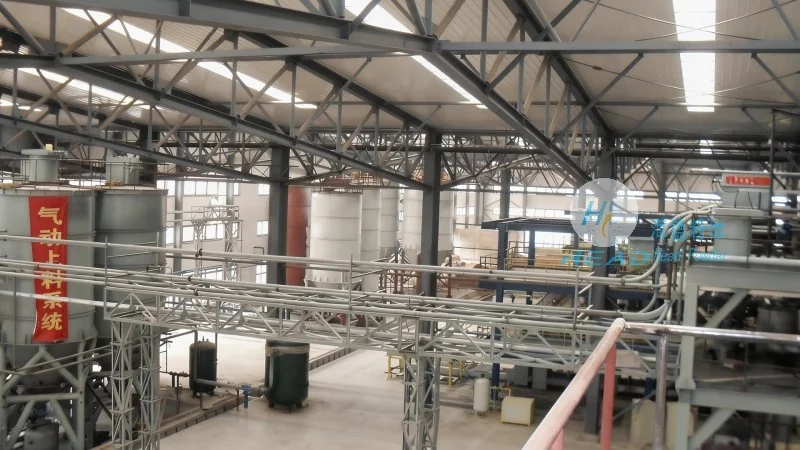
Material Characteristics and Handling Requirements
Chili peppers are known for their high moisture content, varying sizes, and sometimes sticky or oily surfaces. These characteristics impact the selection of conveying equipment and system components. For instance, the moisture content can affect the air velocity needed to maintain a stable flow, while the irregular shapes may require larger duct diameters or specialized hopper designs to prevent blockages. Additionally, the potential for product adhesion to system surfaces necessitates the use of materials like stainless steel or coated components to facilitate cleaning and prevent contamination.
System Sizing and Airflow Management
The sizing of a pneumatic conveying system for chili peppers is directly related to the required airflow rate, which is influenced by the material's bulk density, particle size distribution, and the desired conveying velocity. Proper airflow management is crucial to avoid issues such as product degradation from excessive shear forces or system inefficiencies from insufficient air. Engineers must calculate the necessary air volume based on the system's length, number of bends, and the type of conveying (e.g., dilute-phase or dense-phase). This calculation ensures that the system operates within optimal pressure and velocity ranges, minimizing energy consumption while maintaining reliable material transport.
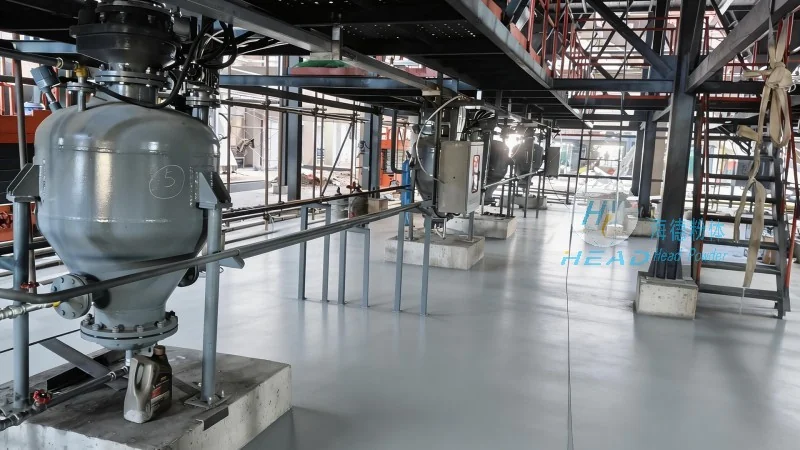
Component Selection and Material Compatibility
Choosing the right components for a chili pepper pneumatic conveying system is essential to handle the abrasive and corrosive nature of the product. Hoppers and feeders must be designed to prevent material bridging and ensure consistent feed rates. The use of rotary valves or screw feeders with appropriate wear-resistant coatings is recommended to handle the abrasive particles without excessive wear. Ductwork and fittings should be constructed from materials that resist corrosion, such as stainless steel or high-grade plastics, to maintain hygiene standards and prevent contamination. Furthermore, the selection of air filters and separators is critical to remove fine particles and maintain air quality, which is vital for downstream processing equipment.
Energy Efficiency and Environmental Considerations
Energy efficiency is a key consideration in the design of any pneumatic conveying system, especially for large-scale operations. Optimizing the system's pressure and airflow reduces operational costs and environmental impact. Techniques such as using variable frequency drives (VFDs) to adjust air velocity based on demand, and implementing proper insulation on ductwork to minimize heat loss, contribute to energy savings. Additionally, the system's design should incorporate features that reduce noise levels, as pneumatic conveying systems can generate significant noise, which may affect the working environment. Proper ventilation and soundproofing measures can enhance the system's performance while maintaining a safe and comfortable workplace.
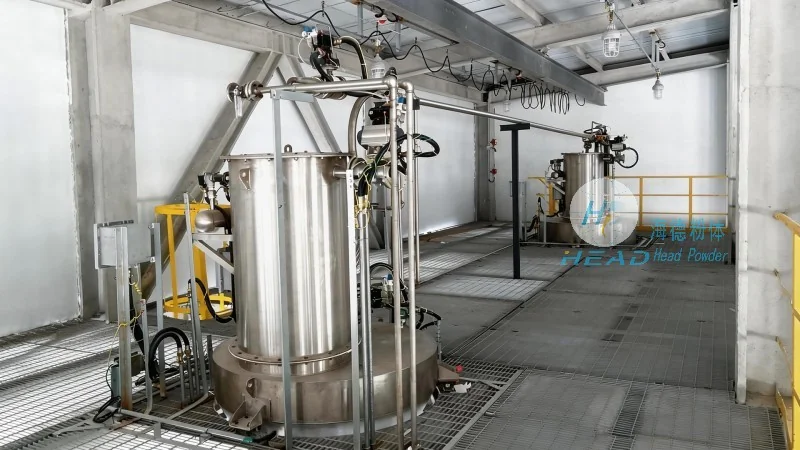
Integration with Processing Lines and Maintenance
A well-designed pneumatic conveying system for chili peppers should seamlessly integrate with the existing processing lines, ensuring smooth material transfer from storage to processing equipment. The system's layout should minimize the number of bends and changes in direction to maintain product integrity and reduce energy consumption. Regular maintenance is also crucial for the longevity and reliability of the system. This includes routine cleaning of components, checking for wear and tear, and monitoring air pressure and flow rates. Proper maintenance schedules and the use of high-quality replacement parts ensure that the system operates efficiently and meets the required production standards.
Case Study: Shandong HeadPowder Engineering Co., Ltd.
Shandong HeadPowder Engineering Co., Ltd., a leading provider of industrial conveying solutions, specializes in designing and manufacturing pneumatic conveying systems tailored to the needs of the food processing industry. With a focus on durability, efficiency, and product quality, their systems are engineered to handle the unique challenges of conveying chili peppers. The company's expertise in material handling and system integration ensures that their solutions meet the highest standards of hygiene and performance. By incorporating advanced design principles and using high-quality materials, Shandong HeadPowder Engineering Co., Ltd. delivers reliable and cost-effective pneumatic conveying systems that enhance the productivity and safety of chili pepper processing operations.




