Carbide slag, a byproduct of the calcium carbide production process, poses unique challenges when it comes to material handling and transportation. The design of a pneumatic conveying system for carbide slag requires careful consideration of several critical factors to ensure efficient, reliable, and cost-effective operation. This article outlines key design considerations for such systems, with a focus on practical applications and real-world solutions.
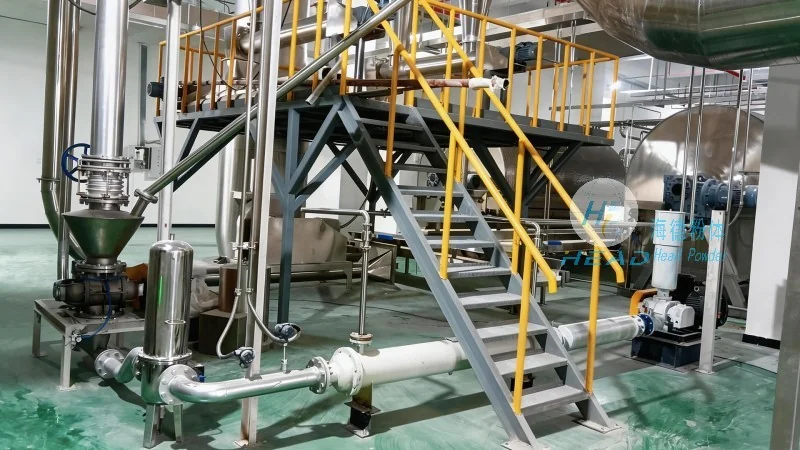
System Overview and Material Characteristics
Before diving into the design specifics, it is essential to understand the properties of carbide slag. Typically, this material consists of fine to medium-sized particles with varying densities and moisture content. The particle size distribution, bulk density, and flowability are crucial parameters that influence the selection of the conveying method and system components. For instance, finer particles may require higher air velocities to maintain suspension, while coarser particles might necessitate larger duct diameters to prevent blockages. The moisture content is another critical factor, as excessive moisture can lead to material caking or corrosion of system components. Proper moisture control, such as drying or conditioning, may be required to ensure stable conveying performance.
Conveying Principle and System Types
Pneumatic conveying systems for carbide slag can be broadly categorized into two main types: dilute phase and dense phase. Dilute phase systems rely on high air velocities to keep the material suspended in the air stream, typically operating at velocities above 20 m/s. These systems are suitable for short to medium distances and can handle fine particles effectively. Dense phase systems, on the other hand, use lower air velocities and higher material-to-air ratios, often employing positive pressure or vacuum to move the material in a more controlled manner. Dense phase conveying is ideal for longer distances or when the material is more abrasive or has a higher tendency to settle. The choice between these systems depends on the specific application requirements, including the distance to be covered, the material characteristics, and the desired system efficiency.
Key Design Parameters and Calculations
Several key parameters must be calculated and optimized during the design phase. The first is the air velocity, which must be sufficient to keep the particles suspended but not so high as to cause excessive energy consumption or system wear. The air velocity is typically determined based on the particle size and density, with empirical formulas or industry standards used as references. Another critical parameter is the duct diameter, which is selected to balance the required air velocity with the material flow rate. A larger duct diameter reduces friction losses but increases capital costs, while a smaller diameter may lead to higher pressure drops and potential blockages. The system pressure or vacuum level is also a key design consideration, as it determines the maximum conveying distance and the ability to handle vertical lifts. Proper calculation of these parameters ensures that the system operates within its optimal performance range and avoids excessive energy consumption or component failure.
Equipment Selection and Component Integration
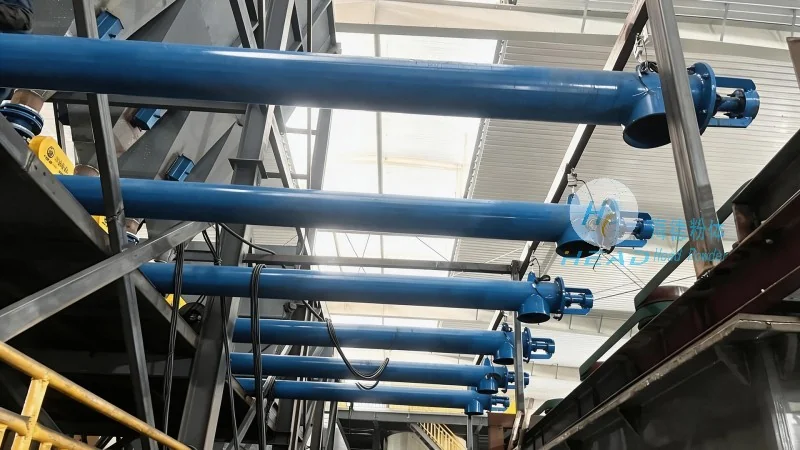
The selection of appropriate equipment is vital for the successful operation of a carbide slag pneumatic conveying system. The key components include the material feeders, air movers (blowers or vacuum pumps), conveying ducts, and control systems. Material feeders, such as rotary valves or screw feeders, must be designed to handle the specific characteristics of carbide slag, including its flowability and potential for caking. They should be capable of providing a consistent and controlled feed rate to the system, preventing surges or blockages. Air movers are selected based on the required air volume and pressure, with considerations for efficiency, noise levels, and maintenance requirements. Conveying ducts are typically made of corrosion-resistant materials, such as stainless steel or special alloys, to withstand the abrasive nature of carbide slag and prevent corrosion. The duct design, including bends and transitions, must be optimized to minimize pressure losses and prevent material deposition. Control systems, including pressure sensors, flow meters, and automation controls, are essential for monitoring and regulating the system operation, ensuring safe and efficient performance.
System Integration and Process Flow
Integrating the pneumatic conveying system into the overall process flow is crucial for its effectiveness. The system should be designed to connect seamlessly with the upstream and downstream processes, such as the slag collection and disposal stages. Proper layout and positioning of the equipment can minimize the overall system length and reduce energy consumption. For example, placing the material feeder close to the source of carbide slag can reduce the need for long horizontal runs, while positioning the discharge point near the disposal area can minimize the vertical lift required. The system should also be designed to accommodate future expansions or changes in the process, allowing for flexibility and scalability. This includes provisions for additional ducts, feeders, or air movers as the production capacity or process requirements change.
Operational Considerations and Maintenance
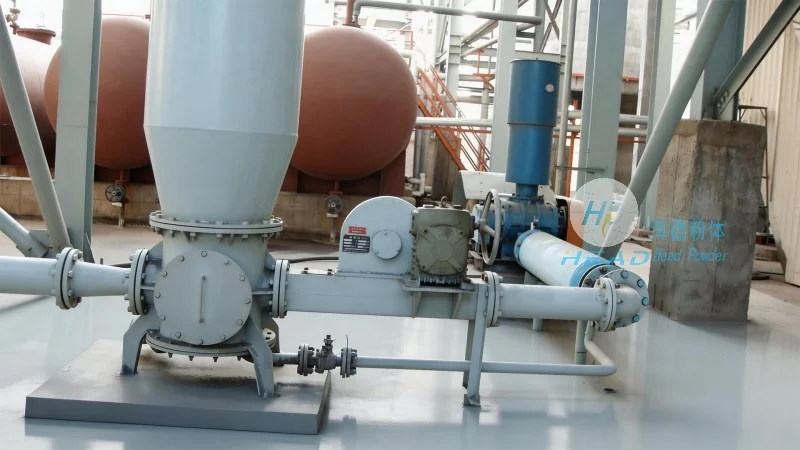
Once the system is designed and installed, proper operation and maintenance are essential for long-term performance and reliability. Regular monitoring of system parameters, such as air pressure, flow rate, and material feed rate, is necessary to detect any deviations or issues early. This helps in identifying potential problems, such as blockages or wear, before they lead to system downtime. Routine maintenance, including cleaning of ducts, replacement of worn components, and lubrication of moving parts, is also critical to ensure the system operates efficiently and safely. The maintenance schedule should be based on the system usage and the material characteristics, with more frequent maintenance for systems handling abrasive or high-moisture materials. Proper training of operators and maintenance personnel is also important to ensure they understand the system's operation and can respond effectively to any issues that arise.
Case Study: Successful Implementation by Shandong HeadPowder Engineering Co., Ltd.
Shandong HeadPowder Engineering Co., Ltd., a leading provider of engineering solutions for material handling systems, has successfully implemented several carbide slag pneumatic conveying systems for clients in China. One notable project involved the design and installation of a dilute phase system for a calcium carbide plant in Shandong province. The system was designed to convey carbide slag from the collection hopper to a disposal facility over a distance of 200 meters, with a required material flow rate of 10 tons per hour. The system was optimized to handle the fine to medium-sized particles of the slag, with a moisture content of around 5%. The design considered the material's abrasive nature and the need for corrosion-resistant components, resulting in a system that operates efficiently and reliably. The system has been in operation for over two years, with minimal downtime and low maintenance costs, demonstrating the effectiveness of the design approach and the expertise of the engineering team at Shandong HeadPowder.
Conclusion and Future Trends
In conclusion, the design of a carbide slag pneumatic conveying system requires a comprehensive approach that considers the material characteristics, system requirements, and operational constraints. By carefully evaluating the key design parameters, selecting appropriate equipment, and integrating the system into the overall process flow, it is possible to achieve efficient and reliable material handling. The case study of Shandong HeadPowder Engineering Co., Ltd. highlights the importance of proper engineering and design in ensuring the success of such systems. As the demand for efficient material handling solutions continues to grow, advancements in system design and technology will likely lead to even more optimized and sustainable solutions for carbide slag and other similar materials.




